
1 %

How to Choose an Architect for Your Home: The Most Important Decision in Your Building Project


Choosing the right architect is the single most important decision you will make in any home building project — it determines the layout, flow, style, and ultimately the entire look and feel of your future home. The architect you select will shape every room, every sightline, and every spatial relationship in the design, so this choice deserves far more attention than most homeowners give it. At Marshanski Build, specializing in luxury residential construction in Israel, we’ve seen firsthand how the right architect-client match leads to extraordinary results — and how the wrong one leads to costly redesigns.

Why the Architect Selection Stage Matters More Than Any Other

Every decision in a building project flows downstream from the architectural plans. The placement of walls, the proportions of living spaces, window orientation, ceiling heights — all of these are locked in during the design phase. According to the American Institute of Architects, design-related changes made during construction can cost 5–10 times more than if they had been addressed during the planning stage. That’s why getting the architect right from the start isn’t just a preference — it’s a financial necessity.

When homeowners rush this step or choose based on price alone, they often end up with plans that don’t reflect their lifestyle. The result? Expensive revisions mid-build, compromised spaces, and a home that never quite feels right. If you’re planning a luxury home build in Israel with a significant budget, the architect’s fee — typically 6–12% of the total construction cost — is one of the best investments you’ll make.

Step 1: Identify the Architectural Style You Want

Before you start meeting architects, get clear on the design language that resonates with you. Collect reference images from completed homes, magazines, and platforms like Pinterest or Archdaily. Are you drawn to clean modernist lines? Mediterranean warmth? Minimalist Japanese-influenced spaces? Classic European proportions?

Most architects are capable of working in several styles, but every architect has a core specialty — a style they gravitate toward and execute at the highest level. An architect who excels at modern glass-and-concrete villas will produce different energy than one whose passion is Tuscan-inspired estates. Look through their completed project portfolios carefully. The projects they’re proudest of will tell you exactly where their strengths lie.

  • Modern/Minimalist: Open floor plans, floor-to-ceiling glazing, flat roofs, restrained material palettes
  • Classic/European: Symmetrical facades, molding details, pitched roofs, formal room arrangements
  • Mediterranean/Israeli: Natural stone, arched openings, indoor-outdoor living, courtyard layouts
  • Contemporary Eclectic: Mixed materials, bold geometric forms, unique spatial concepts

Choose an architect whose natural style aligns with your vision. Forcing an architect to work outside their comfort zone rarely produces exceptional results.

Step 2: Evaluate the Process, Not Just the Portfolio

Beautiful images on a website are important, but they don’t tell you what it was actually like to work with that architect. When you check references — and you absolutely should — ask previous clients about the process itself:

  • How responsive was the office? Did they return calls and emails promptly?
  • How detailed were the plans and specifications you received?
  • Did they accompany you from initial concept through to construction supervision?
  • Were there surprise costs or scope changes during the design phase?
  • How well did they handle disagreements or changes in direction?

The level of accompaniment matters enormously. Some firms hand off beautiful conceptual drawings and then disappear. The best architects provide continuous guidance from the first meeting through to the final construction walk-through. A study by the Royal Institute of British Architects found that projects with full architectural supervision experienced 33% fewer construction defects compared to those where the architect was only involved in the design phase.

Step 3: Separate Architecture from Interior Design

This is a critical point that many homeowners overlook, and it’s one we at Marshanski Build feel strongly about: architecture and interior design are two distinct professions, and they should ideally be handled by two separate specialists.

Your architect’s job is to plan the volumes, the spatial flow, the structural logic of your home — where rooms sit in relation to each other, how natural light enters, how circulation works between floors. Your interior designer’s job is entirely different: selecting finishes, colors, bathroom fixtures, furniture layouts, lighting design, and textile schemes.

When one person tries to do both, something almost always suffers. Either the spatial planning becomes secondary to aesthetics, or the interior finishes feel like an afterthought. The two professionals do need to communicate closely — coordination between architectural details and interior selections is essential — but each should bring their specialized expertise to the table.

Think of it this way: an architect designs the skeleton and skin of your home. An interior designer brings it to life with texture, color, and personality. You want both at their best. If you’re considering premium finishes, our guide to luxury flooring options in Israel shows how material selection alone involves dozens of decisions best handled by a dedicated design professional.

Step 4: Ask the Right Questions in Your First Meeting

Your initial consultation with a prospective architect should be treated as a two-way interview. Here are the specific questions that reveal whether they’re the right fit:

  1. “Can you walk me through a recent project from start to finish?” — This reveals their process, timeline expectations, and level of involvement.
  2. “How do you handle changes during the design phase?” — You want flexibility, but within a structured revision process.
  3. “What is your fee structure, and what does it include?” — Clarify whether construction supervision, engineering coordination, and permit drawings are included or extra.
  4. “How do you collaborate with contractors and interior designers?” — Their answer tells you whether they’re a team player or a solo act.
  5. “What’s the typical timeline from first meeting to approved construction plans?” — For a luxury private home in Israel, expect 4–8 months for complete architectural planning.

Pay attention not just to their answers but to how they listen to your questions. An architect who talks more than they listen in the first meeting will likely impose their vision over yours throughout the project.

Step 5: Verify Compatibility Between Your Architect and Builder

Architecture doesn’t exist in a vacuum — it has to be built. One of the most overlooked factors in choosing an architect is whether their design approach is compatible with your construction team’s capabilities and methods.

At Marshanski Build, we work with architects across Israel and have seen the full spectrum. The best outcomes happen when the architect understands construction realities and the builder respects design intent. Before finalizing your architect choice, consider introducing them to your prospective builder early. A quick meeting can reveal whether the working relationship will be productive or contentious.

If you’re still evaluating whether to build new or renovate an existing structure, the timeline and cost comparison between new builds and renovations can help frame that decision — and it directly impacts what kind of architect you need.

Red Flags to Watch For

Not every architect is the right architect, even if their portfolio looks impressive. Watch for these warning signs:

  • No clear contract or scope of work: Professional architects define exactly what’s included in their fee.
  • Resistance to references: If they won’t connect you with past clients, ask yourself why.
  • One-size-fits-all approach: Every home should respond to its specific site, client, and context.
  • Unclear fee boundaries: In Israel, architectural fees for luxury homes typically range from ₪150,000 to ₪500,000+ depending on scope and complexity. Fees significantly below this range may indicate shortcuts in documentation.
  • No construction supervision offering: An architect who doesn’t oversee construction is handing off their design to interpretation.

Frequently Asked Questions

Should the same person handle both architecture and interior design?

No. Architecture and interior design are separate disciplines. Your architect should focus on spatial planning, structure, and building systems, while a dedicated interior designer handles finishes, colors, fixtures, and furnishings. Both need to coordinate closely, but specialization produces far better results.

How much does an architect cost for a luxury home in Israel?

Architectural fees for luxury private homes in Israel typically range from 6–12% of total construction costs, or approximately ₪150,000 to ₪500,000+ for high-end projects. This should include schematic design, detailed plans, engineering coordination, permit drawings, and ideally construction supervision.

How do I know if an architect’s style matches what I want?

Review their portfolio of completed projects — not just renderings. Identify whether most of their work aligns with your preferred style (modern, classic, Mediterranean, etc.). Every architect has a natural strength. Ask them directly which style they feel most passionate about, and choose accordingly.

How long does the architectural planning phase take?

For a luxury private home, expect 4–8 months from the first meeting to approved construction drawings. This includes concept design, schematic development, detailed planning, engineering integration, and the permit approval process in Israel.

What is the most important reference question to ask about an architect?

Ask previous clients about the process: “How was the experience of working with this architect day-to-day?” Focus on responsiveness, level of detail in documents, and whether they provided accompaniment from start to finish — not just whether the end result looked good in photos.

Make Your Most Important Decision Count

The architect you choose will shape your home for decades. Take the time to research styles, ask the hard questions, check references thoroughly, and ensure they align with both your aesthetic vision and your construction team. At Marshanski Build, we partner with leading architects across Israel to deliver luxury homes that are designed with precision and built to the highest standards. If you’re planning a private home project and want guidance on assembling the right professional team, contact us today to start the conversation.

Luxury Flooring Options in Israel: Comparing Marble, Wood, and Stone Materials

Choosing luxury flooring materials in Israel is one of the most consequential design decisions you’ll make when building or renovating a high-end home. The floor is quite literally the foundation of every room’s aesthetic — it sets the tone for furniture, lighting, and architectural details. In Israel’s unique climate, where summers push 35°C and coastal humidity is a constant factor, your flooring choice also has serious practical implications. This guide breaks down the three most popular premium options — marble, natural wood, and stone — so you can make an informed investment.

Why Flooring Matters More Than You Think in Luxury Construction

Flooring typically accounts for 8–12% of a luxury home’s total construction budget in Israel. On a ₪5 million build, that translates to ₪400,000–₪600,000 for materials and installation alone. Beyond cost, the material you choose affects thermal comfort, acoustics, resale value, and daily maintenance. A poorly chosen floor can crack in Israel’s dry winters, warp during humid summers, or simply age badly within a decade.

At Marshanski Build, we’ve installed every type of premium flooring across projects in Kfar Shmaryahu, Savyon, and Herzliya Pituach. The insights below come from real-world experience, not just manufacturer brochures.

Marble Flooring: The Timeless Statement

Why Homeowners Choose Marble

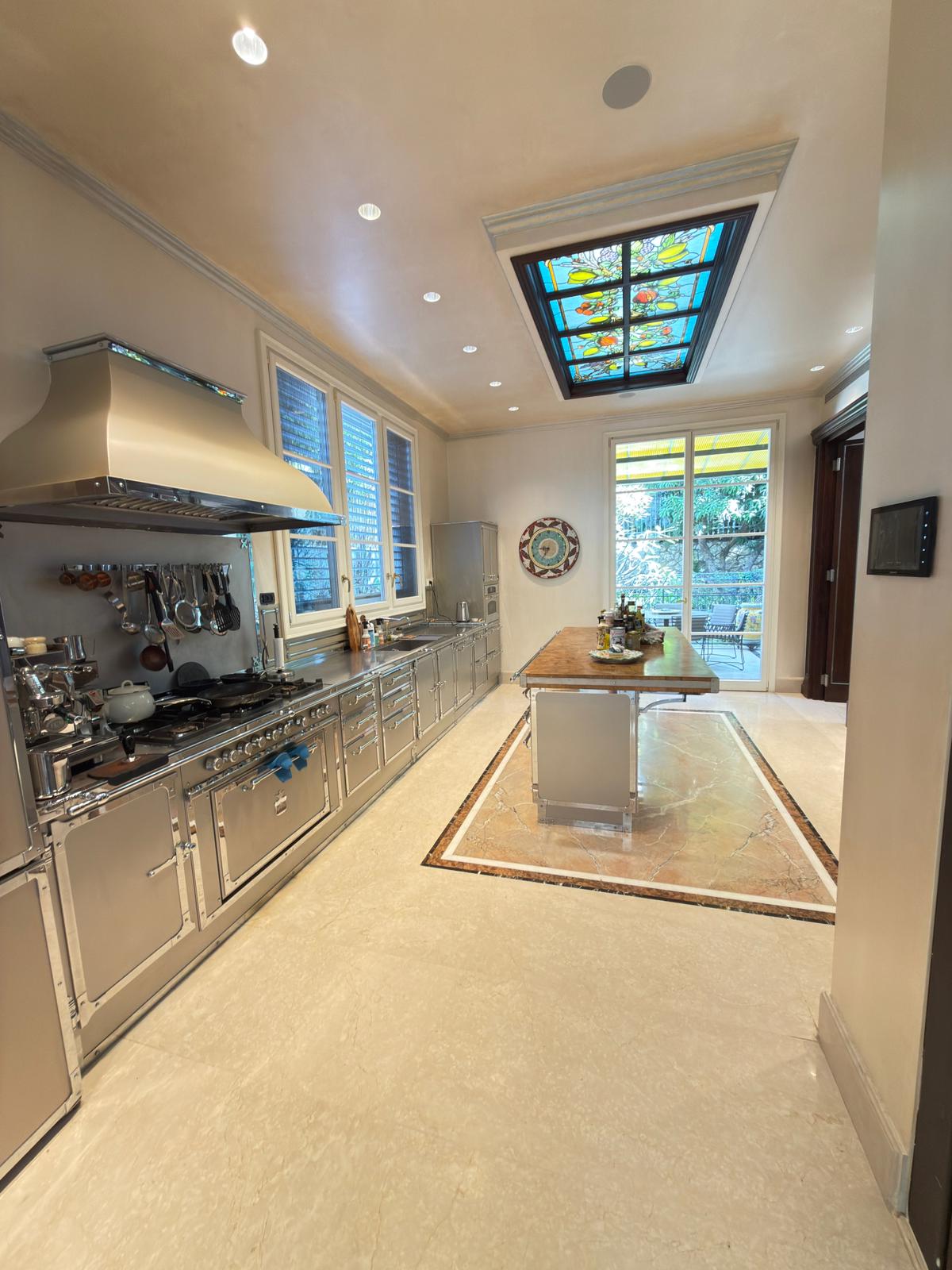
Marble has been a symbol of opulence for millennia, and it remains the top choice for grand entrance halls, living rooms, and bathrooms in Israeli luxury homes. Italian Carrara, Calacatta, and Statuario varieties dominate the market, though Turkish and Greek marbles offer excellent alternatives at a lower price point.

  • Price range in Israel: ₪350–₪1,800 per sqm (material only), depending on origin and veining quality
  • Installation cost: ₪150–₪350 per sqm for expert-level laying with leveling and sealing
  • Lifespan: 50+ years with proper maintenance

Performance in Israel’s Climate

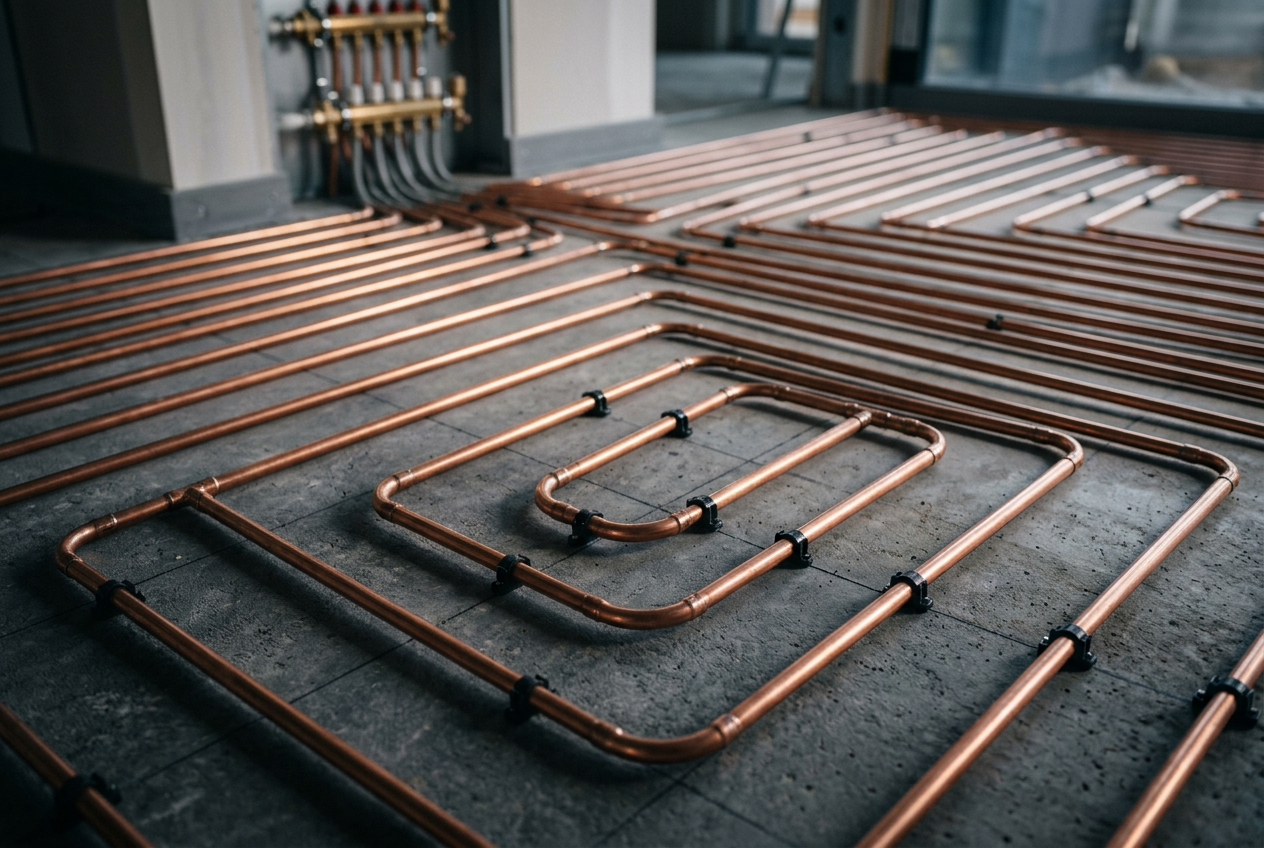
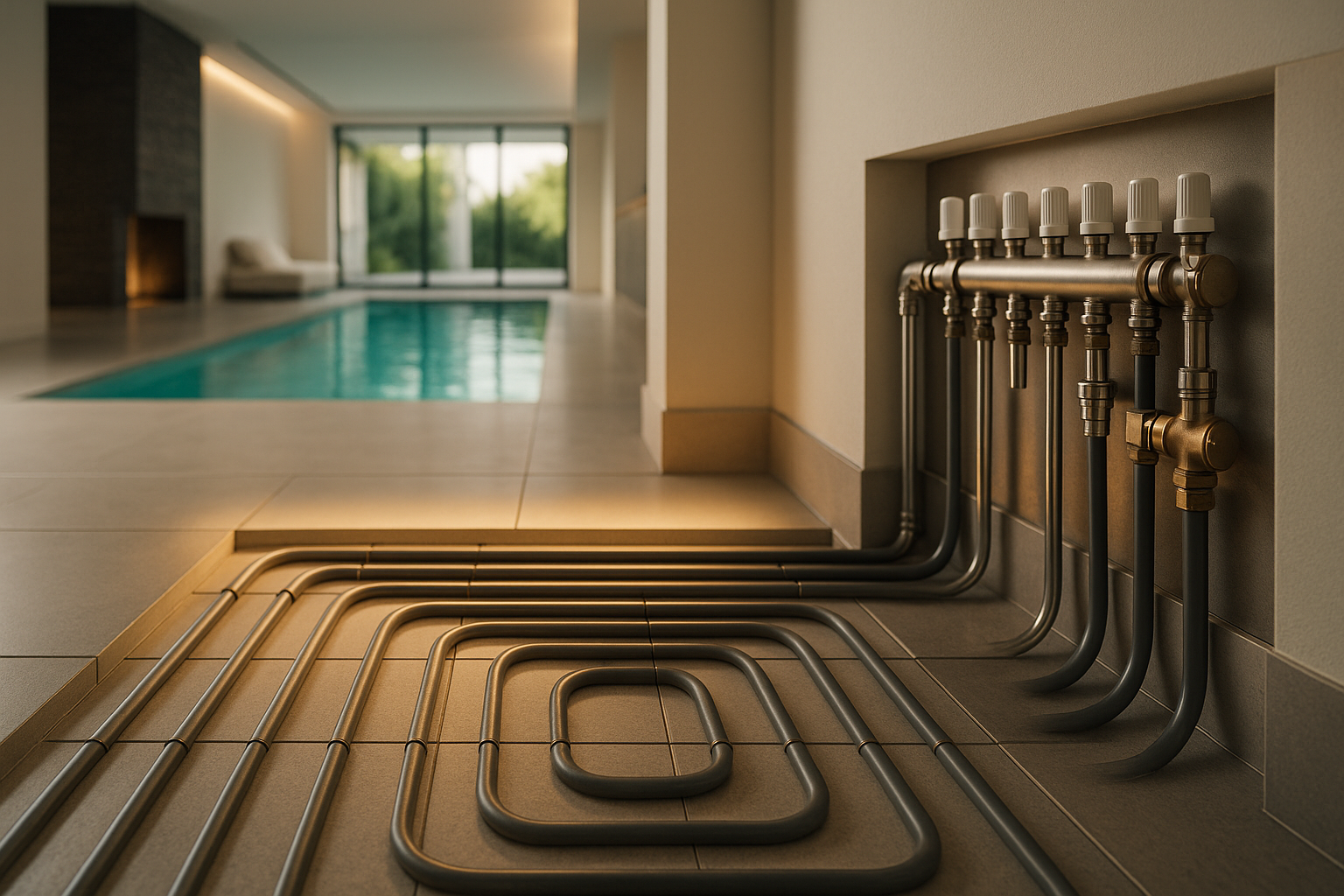
Marble stays naturally cool underfoot — a genuine advantage during Israel’s long summers. It pairs well with underfloor radiant heating systems, which are increasingly standard in luxury Israeli homes. However, marble is porous. Without professional sealing (and resealing every 1–2 years), it absorbs moisture, stains, and can develop etching from acidic spills like lemon juice or wine.

Considerations

Marble requires commitment. It scratches more easily than granite or porcelain, and it demands consistent care. For families with young children or heavy foot traffic, consider honed finishes over polished — they hide wear more gracefully. If you’re planning a full luxury build, understanding cost breakdowns and budget planning for luxury homes in Israel will help you allocate appropriately for premium marble.

Natural Hardwood Flooring: Warmth and Character

Popular Species for Israeli Homes

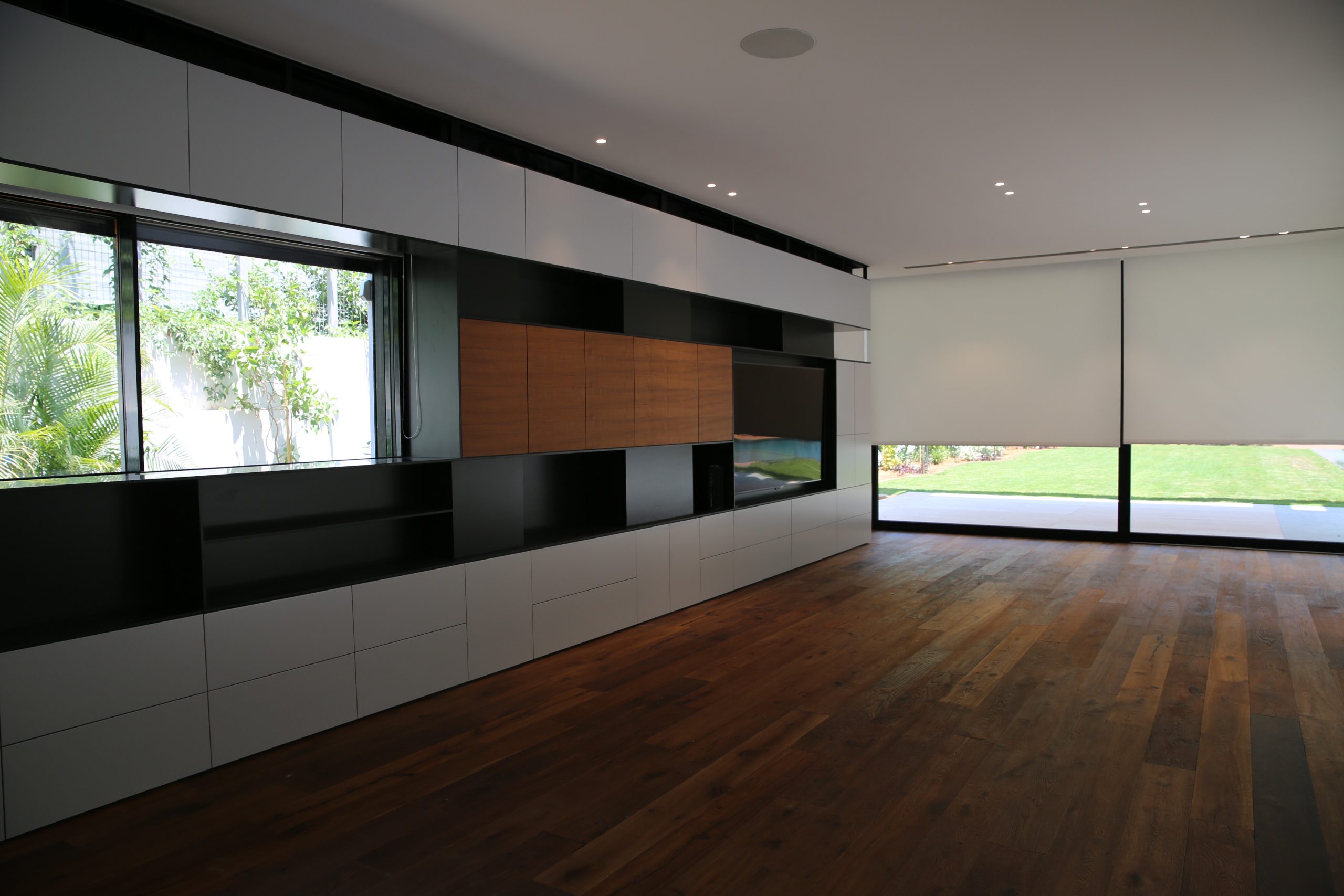
European oak remains the most specified hardwood for luxury residences in Israel, followed by walnut, teak, and iroko. Engineered hardwood (a real wood top layer bonded to a plywood base) has largely replaced solid planks in the Israeli market — and for good reason. Engineered boards handle temperature fluctuations and humidity swings far better than solid wood.

High-end residential construction interior featuring luxury flooring materials

  • Price range: ₪250–₪900 per sqm for quality engineered oak; exotic species can exceed ₪1,200 per sqm
  • Installation cost: ₪100–₪250 per sqm (glue-down installation is preferred for luxury projects)
  • Lifespan: 25–40 years; can be sanded and refinished 2–4 times depending on top-layer thickness

Climate Challenges and Solutions

Israel’s relative humidity ranges from 40% in the Negev to 80%+ along the coast. Wood expands and contracts with moisture changes, which can cause cupping, gapping, or buckling. The solution is straightforward: specify engineered boards with a minimum 4mm real-wood top layer, ensure subfloor moisture testing before installation, and maintain indoor humidity between 40–60% using climate control systems.

Hardwood brings an irreplaceable warmth and acoustic softness that stone and marble cannot replicate. Bedrooms, libraries, and living rooms benefit enormously from timber floors. They’re also the easiest luxury flooring material to repair and refinish over time.

Sustainability Note

Sourcing matters. FSC-certified European oak has a significantly lower environmental footprint than tropical hardwoods. Many Israeli importers now stock certified options, and responsible builders prioritize traceable supply chains.

Natural Stone Flooring: Durability Meets Earthy Elegance

Beyond Marble: Limestone, Travertine, and Granite

When people say “stone flooring,” marble often gets grouped in — but there’s a wide world of natural stone beyond it. For luxury Israeli homes, the most popular non-marble stones are:

  • Jerusalem limestone: Locally quarried, golden-toned, and deeply connected to Israeli architectural heritage. ₪200–₪500 per sqm.
  • Travertine: Imported primarily from Turkey and Italy. Its natural pitting gives it a rustic-luxury character. ₪300–₪700 per sqm.
  • Granite: Extremely hard and virtually scratch-proof. Ideal for kitchens and high-traffic zones. ₪400–₪1,000 per sqm.
  • Basalt: Dark, dramatic, and excellent for contemporary designs. Locally available from the Golan Heights region.

Luxury residential project by Marshanski Build showcasing stone and premium finishes

Why Stone Excels in Israeli Conditions

Natural stone handles Israel’s climate exceptionally well. Limestone and granite are far less porous than marble, making them more forgiving in high-humidity environments. Stone floors paired with underfloor heating provide a perfect balance — cool in summer, warm in winter. Granite in particular is nearly indestructible, resisting scratches, stains, and heavy impacts that would damage marble or wood.

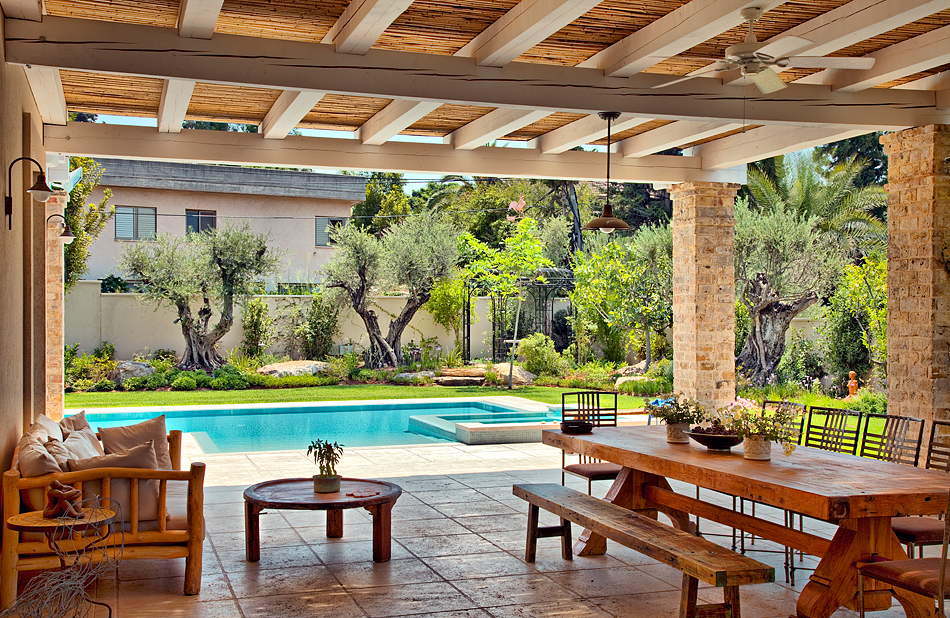
For outdoor-to-indoor transitions — common in Israeli luxury homes with large terraces and pool areas — stone creates a seamless visual flow. The same Jerusalem limestone used on an exterior patio can continue into the living room, blurring the boundary between inside and out.

Head-to-Head Comparison: Marble vs. Wood vs. Stone

Factor Marble Hardwood Natural Stone
Cost (per sqm) ₪500–₪2,150 ₪350–₪1,150 ₪350–₪1,350
Durability High (scratch-prone) Medium (refinishable) Very High
Maintenance High Medium Low–Medium
Climate Suitability Excellent (cool) Good (with precautions) Excellent
Resale Value Very High High High
Best Rooms Entries, bathrooms, living Bedrooms, studies, living Kitchens, terraces, throughout

Mixing Materials: The Expert Approach

The most impressive luxury homes in Israel rarely use a single flooring material throughout. A skilled builder and architect will zone flooring by function and feel. A common approach we implement at Marshanski Build:

  • Entry and formal living: Calacatta marble with bookmatched veining
  • Bedrooms and private quarters: Wide-plank engineered European oak
  • Kitchen and utility areas: Honed granite or limestone for durability
  • Outdoor terraces and pool surrounds: Non-slip travertine or local basalt

Transition details matter enormously. Flush thresholds, consistent grout lines, and matching tonal warmth between materials are what separate a luxury home from a house with expensive flooring. This level of coordination is one of the key differences between standard and high-end building in Israel.

Practical Tips for Selecting Luxury Flooring in Israel

  1. Always view samples in natural light. Israeli sunlight is intense. A marble that looks subtle in a showroom can appear washed out at home — or stunning. Visit the site with large-format samples.
  2. Budget for installation, not just material. Expert installation with proper subfloor preparation can cost 30–50% of the material price. Cutting corners here voids the investment.
  3. Plan for underfloor heating early. Retrofitting radiant heating is expensive and disruptive. If you’re building from scratch, integrate it into the design phase. Learn more about planning construction costs in our guide to building new vs. renovating existing homes in Israel.
  4. Request slip-resistance ratings. For any floor near water — bathrooms, pool areas, kitchens — specify R10 or R11 anti-slip finishes.
  5. Think long-term. A ₪800/sqm granite floor that lasts 50 years with zero refinishing costs less per year than a ₪400/sqm wood floor that needs sanding every 8 years.

Completed luxury home exterior and entrance by Marshanski Build featuring premium materials

Making the Right Choice for Your Home

There’s no universally “best” luxury flooring material — only the best material for your specific home, lifestyle, and location in Israel. A beachfront villa in Caesarea faces different challenges than a hilltop estate in Jerusalem. What matters is matching the material to the conditions and executing the installation flawlessly.

Luxury flooring materials in Israel represent a significant investment, but when selected and installed correctly, they define the character of your home for decades. The key is working with a builder who understands not just construction, but the nuances of material performance in Israel’s specific environment.

Ready to discuss flooring options for your luxury home project? Marshanski Build specializes in high-end residential construction across Israel’s most prestigious neighborhoods. Contact our team for a personalized consultation — we’ll help you choose materials that match your vision and stand the test of time.

Timeline and Cost Comparison: Building New vs. Renovating Existing Homes in Israel

The Core Question Every Israeli Homeowner Faces

When weighing the cost to build a new home vs renovate in Israel, most people expect a straightforward answer. They rarely get one. The reality depends on land availability, property age, municipal permits, and what you actually want at the end of the process. This guide breaks down both paths — with real numbers, realistic timelines, and the hidden costs that most contractors won’t mention upfront.

Israel’s construction market has unique pressures: high land values, a shortage of skilled labor, complex bureaucracy through local planning committees (Va’adat Binyan), and material costs tied to global supply chains. These factors affect new builds and renovations differently — and understanding the distinction can save you hundreds of thousands of shekels.

Cost to Build a New Home in Israel: What to Expect

Building a new private home in Israel typically costs between 8,000 and 18,000 NIS per square meter, depending on finish level, location, and structural complexity. A standard 250 sqm home in the center of the country will often land between 2.5 and 4 million NIS in pure construction costs — before land purchase, architect fees, engineering, and municipal levies.

Key Cost Categories for New Construction

  • Land and purchase tax (Mas Rechisha): For a plot in sought-after areas like Kfar Shmaryahu, Herzliya Pituach, or Ra’anana, land alone can exceed 3–5 million NIS. Purchase tax rates for non-primary residences can reach 8–10%.
  • Architectural and engineering fees: Typically 5–10% of total construction cost. Don’t cut corners here — poor drawings cost far more during the build.
  • Municipal permits and levies (היטל השבחה): Betterment levies can reach 50% of the value added by new zoning rights. Budget this carefully with a real estate attorney.
  • Construction cost per sqm: Standard finish runs 8,000–11,000 NIS/sqm. High-end construction with imported stone, smart home systems, and premium joinery reaches 14,000–18,000+ NIS/sqm.
  • Infrastructure connections: Electricity, water, sewage hookups, and road access add 150,000–300,000 NIS on raw plots.

For a detailed breakdown of luxury-tier construction pricing, see our guide on the cost of building a luxury home in Israel, which covers material grades, contractor tiers, and realistic contingency planning.

New Build Timeline in Israel

From the moment you purchase land to moving in, expect 3 to 6 years for a private home in most municipalities. Permitting alone — through the local planning committee — often takes 12 to 30 months depending on the regional committee’s backlog and whether your plans require variance approvals. Construction itself, once permitted, runs 18 to 30 months for a well-managed project.

Delays are common. Labor shortages, permit revisions, and material supply issues regularly push timelines by 6–12 months. Factor this into your financing plan and rental costs if you’re living elsewhere during the build.

Cost to Renovate an Existing Home in Israel: The Real Numbers

A full renovation of an existing Israeli home — stripping back to concrete and rebuilding interiors — runs between 4,000 and 9,000 NIS per square meter. A cosmetic refresh (kitchen, bathrooms, flooring, paint) on a 150 sqm apartment might cost 300,000–600,000 NIS. A comprehensive structural and finish renovation of a 250 sqm villa can reach 1.5–2.5 million NIS.

What Drives Renovation Costs Higher Than Expected

  • Hidden structural issues: Older Israeli homes (pre-2000) frequently have outdated electrical panels, cast iron plumbing, inadequate insulation, and moisture damage behind tile walls. Discovery during demolition adds 15–30% to the base budget.
  • Asbestos removal: Homes built before 1990 often contain asbestos in roof sheeting or floor tiles. Licensed removal starts at 20,000 NIS and can exceed 80,000 NIS for full remediation.
  • Mamad (safe room) requirements: If you’re adding floor area or changing the structure, municipalities often require a compliant reinforced room, adding 150,000–300,000 NIS.
  • Kitchen and bathroom upgrades: These are the most labor-intensive rooms. A professional kitchen renovation with custom cabinetry, quality appliances, and stone surfaces typically runs 120,000–350,000 NIS. Read more about why investing in a professional kitchen renovation pays off long-term.
  • Permit costs for structural changes: Any load-bearing wall removal, balcony enclosure, or roof alteration requires permits. Budget 30,000–80,000 NIS for permit fees and engineer sign-offs.

Renovation Timeline: Faster, but Still Slower Than You Think

A cosmetic renovation of a standard apartment takes 3 to 6 months. A full gut renovation of a larger property realistically runs 8 to 18 months, including the permit phase. One major advantage over new construction: you’re working within an approved existing footprint, so planning committee reviews are faster — often 3 to 6 months instead of 12 to 30.

Contractor availability is the biggest variable. Israel’s construction sector has been under significant pressure since late 2023, with labor shortages pushing lead times for quality contractors to 3–6 months before work even begins.

Side-by-Side Comparison: New Build vs. Renovation

  • Total cost range (250 sqm home): New build — 6–12M NIS all-in. Full renovation — 1–2.5M NIS.
  • Timeline to move in: New build — 3–6 years. Full renovation — 8–18 months.
  • Customization level: New build — complete control from foundations up. Renovation — limited by existing structure and permits.
  • Hidden cost risk: New build — moderate (weather, permits, contractor delays). Renovation — high (concealed defects, asbestos, outdated systems).
  • Energy efficiency: New builds meet current Israeli Standard 1045 for thermal insulation. Older homes rarely do and may require significant upgrades.
  • Financing: Banks treat new construction loans (Mashkanta Baniyat) differently from renovation loans — typically requiring staged drawdowns tied to construction milestones.

When Building New Makes More Sense

If you have land in a prime location, want full architectural freedom, and plan to live in the property long-term, new construction offers better value per square meter of quality space — especially at the upper end of the market. A purpose-built home with modern insulation, smart systems, and contemporary layouts will outperform a renovated older property on energy costs, maintenance, and resale value for decades.

Understanding what separates standard from high-end construction in Israel is essential before committing to a new build — the gap between a 10,000 NIS/sqm and a 17,000 NIS/sqm project isn’t just finishes. It’s structural quality, contractor expertise, and long-term durability.

When Renovation Is the Smarter Move

If you already own property in a desirable area, renovation delivers faster results at significantly lower total cost. You avoid land purchase, betterment levies, and the full permitting process. In high-demand urban areas where plot availability is near zero, renovating an existing property may be your only viable path to the home you want in the location you need.

The key is entering the process with an accurate scope of work and a contingency reserve of at least 20–25% — not the 10% most homeowners budget. Renovation surprises in Israeli residential property are not the exception; they are almost universal.

Work With a Contractor Who Knows the Difference

Whether you’re planning a ground-up build or a full-scale renovation, the contractor you choose will determine whether your project comes in on time and on budget — or becomes a multi-year ordeal. Marshanski Build has delivered high-specification residential projects across Israel’s most demanding markets, from private villas in Kfar Shmaryahu to full interior renovations in Tel Aviv.

Contact us to discuss your project scope, get an honest preliminary cost assessment, and understand what your timeline should realistically look like before you commit to either path.

Cost of Building a Luxury Home in Israel: Price Breakdown and Budget Planning

What Does It Actually Cost to Build a Luxury Home in Israel?

The luxury home construction cost in Israel varies significantly depending on location, materials, design complexity, and the contractors you choose. As a rough benchmark, high-end residential construction in Israel currently ranges from ₪12,000 to ₪25,000+ per square meter for the build itself — and that’s before land, landscaping, or interior finishing. For a 400 sqm villa in a premium area like Kfar Shmaryahu, Herzliya Pituach, or Savyon, you’re looking at a total project cost that can easily exceed ₪10–15 million.

Understanding where that money goes is the first step toward planning a realistic budget. This breakdown covers every major cost category so you can enter the planning phase with clear expectations — not unwelcome surprises halfway through construction.

Key Cost Components: Where Your Budget Actually Goes

1. Land and Planning Costs

In premium locations, land alone can account for 30–50% of your total project investment. A plot in Kfar Shmaryahu or the northern Tel Aviv suburbs can range from ₪3 million to well over ₪10 million depending on size and zoning. Separate from the purchase price, you’ll need to budget for:

  • Architect and structural engineer fees — typically 6–10% of construction costs
  • Municipal permits and approvals — often ₪50,000–₪200,000+ depending on build size
  • Topographic surveys and soil tests — ₪10,000–₪30,000
  • Legal fees for title transfer and contract review

These pre-construction expenses are frequently underestimated. Experienced builders budget them as a defined line item from day one.

2. Structural Construction (Shell and Core)

The structural phase — foundations, framework, concrete, exterior walls, and roof — typically represents 35–45% of total construction costs for a luxury build. For premium construction, this is not the place to economize. High-end builds in Israel use reinforced concrete with enhanced seismic specifications, thermal insulation well above code minimums, and façade materials such as natural stone cladding or architectural concrete.

For a 400 sqm luxury home, structural costs alone commonly fall between ₪2.5 million and ₪4.5 million. This range depends heavily on soil conditions, basement requirements, and architectural complexity — cantilevered volumes, curved walls, or large-span open-plan spaces all add structural cost.

3. MEP Systems — Mechanical, Electrical, and Plumbing

Luxury homes demand sophisticated infrastructure. Smart home automation, underfloor heating, central air conditioning with concealed ducts, generator backup systems, solar installations, and home theater wiring all fall under this category. Budget approximately ₪800,000 to ₪2,000,000 for MEP systems in a high-specification build. Cutting corners here leads to expensive retrofits — it is far cheaper to install conduit and infrastructure during construction than to open walls afterward.

4. Interior Finishing — Where Luxury Is Actually Defined

This is where the majority of visible cost differences emerge between a standard build and a genuine luxury residence. Interior finishing for a high-end Israeli home typically includes:

  • Flooring — large-format porcelain, natural stone, or engineered hardwood: ₪800–₪2,500 per sqm supplied and installed
  • Kitchen — custom cabinetry, stone countertops, and premium appliances: ₪150,000–₪600,000+
  • Bathrooms — high-spec fittings, freestanding baths, custom vanity units: ₪30,000–₪120,000 per bathroom
  • Doors and windows — large aluminum or timber-aluminum frames with acoustic glazing: ₪400,000–₪900,000 for a full villa
  • Plastering, painting, and ceiling details

For a 400 sqm luxury home, interior finishing budgets typically range from ₪1.5 million to ₪5 million, depending on the specification level chosen. To understand more about what separates a truly premium finish from a mid-range one, read our in-depth guide on what makes construction truly luxurious and the differences between standard and high-end building in Israel.

5. Landscaping and External Works

Luxury home buyers consistently underestimate external costs. A pool alone can run ₪200,000–₪500,000. Landscaping, irrigation, outdoor lighting, paving, gates, and boundary walls for a premium villa can add another ₪300,000–₪800,000. If your plot has significant grade changes or requires retaining walls, costs rise further. Allocate a minimum of 8–12% of your total build budget for external works.

Sample Budget Breakdown: 400 sqm Luxury Villa

The table below provides a realistic indicative budget for a 400 sqm luxury villa in central Israel (excluding land purchase):

  • Pre-construction (design, permits, surveys): ₪300,000 – ₪600,000
  • Structural shell and core: ₪2,500,000 – ₪4,500,000
  • MEP systems: ₪800,000 – ₪2,000,000
  • Interior finishing: ₪1,500,000 – ₪5,000,000
  • External works and landscaping: ₪500,000 – ₪1,300,000
  • Contingency (10–15%): ₪600,000 – ₪1,800,000
  • Total construction budget: ₪6,200,000 – ₪15,200,000+

These figures reflect market conditions in 2024–2025. Material and labor costs in Israel have increased substantially over the past three years, with construction inflation running at 6–9% annually since 2021.

Critical Budget Planning Principles

Always Carry a Contingency Reserve

Experienced project managers recommend a minimum 10–15% contingency on all luxury construction budgets. Unforeseen ground conditions, design changes, extended permit timelines, and material price movements are not exceptional — they are routine. On a ₪10 million project, that means keeping ₪1–1.5 million available and unallocated.

Fix Costs Before Breaking Ground

The single biggest source of budget overruns in private construction is scope creep — decisions made during construction that increase costs without a corresponding budget revision. A detailed specification document, agreed and signed before work begins, protects both owner and contractor. Every luxury builder worth engaging will insist on this process.

Choose Contractors Based on Demonstrated Work, Not the Lowest Quote

The gap between a ₪12,000/sqm quote and an ₪18,000/sqm quote usually reflects real differences in materials, execution quality, and project management capability. If you’re building a high-value residence, the contractor’s portfolio is your most important due diligence document. If you’re exploring your options, take a look at 5 compelling reasons to build your dream home in Israel and what to look for in a building partner.

Plan Your Kitchen Investment Carefully

The kitchen is consistently the highest-cost single room in a luxury home and the one where specification decisions have the widest price range. Read our guide on the benefits of professional kitchen renovation and why investing in your kitchen pays off before finalizing your kitchen brief.

What Affects Price Per Square Meter Most?

Beyond sheer size, several factors push per-sqm costs up or down in luxury construction:

  • Basement levels — adding a basement can cost ₪3,000–₪6,000/sqm more than above-ground construction due to waterproofing and excavation
  • Architectural complexity — irregular footprints, floor-to-ceiling glazing, and exposed structural elements all carry premium costs
  • Smart home systems — a comprehensive KNX or Crestron installation adds ₪200,000–₪500,000 to MEP budgets
  • Façade materials — natural Jerusalem stone cladding costs roughly 3–4x more than rendered blockwork
  • Timeline pressure — compressed construction schedules increase labor costs and reduce the contractor’s ability to optimize purchasing

Start Your Project with Accurate Figures

Building a luxury home in Israel is a multi-year, multi-million shekel commitment. The projects that finish on budget and on schedule share one common factor: they started with detailed, realistic planning — not optimistic estimates adjusted upward as the build progressed.

At Marshanski Build, we bring years of high-end residential construction experience across Israel’s most demanding locations. If you’re planning a luxury home and want a transparent, detailed cost assessment tailored to your specific plot, brief, and specification — contact us today for a consultation. We’ll give you honest numbers, not figures designed to win a tender.

What Makes Construction Truly Luxurious? The Differences Between Standard and High-End Building in Israel

Marshanski Build — Luxury Construction in Israel Marshanski Build — Kfar Shmaryahu Luxury Residence

Introduction

Not all construction is created equal. In Israel’s competitive real estate landscape, the gap between a standard build and a truly luxurious one is far wider than most people realize — and it goes far beyond the price tag. At Marshanski Build, we specialize exclusively in high-end construction across Israel, from Caesarea to Tel Aviv and beyond. In this article, we break down exactly what separates a luxury build from the rest — so you know what to look for, what to demand, and what true quality really means.

The Foundation of Luxury: It Starts Before the First Brick

Vision-Driven Architecture

In standard construction, architecture often follows a template. In luxury construction, the architecture is custom-designed around the client’s vision, lifestyle, and the land itself. Every angle, every ceiling height, every sight line is intentional. High-end projects in Israel — especially in coastal locations like Caesarea or the hills of Jerusalem — are designed by award-winning architects who treat each home as a singular work of art, not a unit.

Site Analysis and Micro-Planning

Luxury construction begins with a deep analysis of the plot: soil composition, sun orientation, prevailing winds, natural views, and privacy considerations. This level of micro-planning ensures the home will perform beautifully for decades — structurally, aesthetically, and energetically. Luxury Home Exterior — Marshanski Build Kfar Shmaryahu Kfar Shmaryahu Residence — Facade & Landscape Design by Marshanski Build

Materials — The Most Visible Difference

Premium Raw Materials vs. Standard-Grade Alternatives

The difference in materials is perhaps the most tangible gap between standard and high-end construction. Here’s how it breaks down:
Element Standard Construction Luxury Construction
Flooring Ceramic tiles, basic stone Italian marble, custom-cut natural stone
Facade Plaster, standard cladding Natural limestone, zinc, imported stone panels
Windows Aluminum, double glaze Triple-glazed, thermally broken frames, custom sizing
Insulation Minimum code compliance Premium acoustic + thermal systems
Roofing Standard waterproofing Multi-layer systems, green roofs, custom details
Joinery Factory-made Bespoke, hand-crafted cabinetry & millwork

Sourcing from the World’s Best

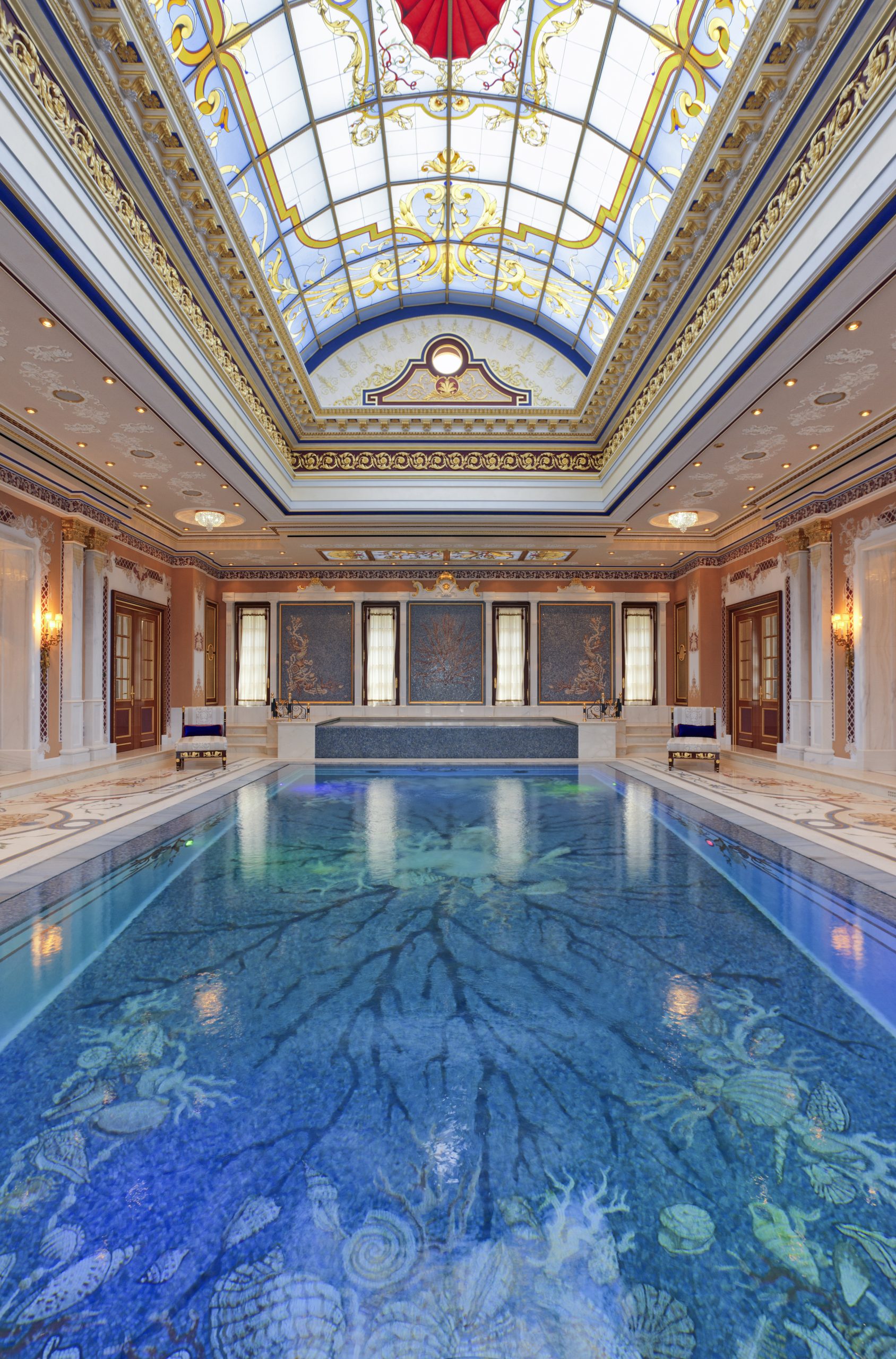
Luxury builders in Israel source materials globally — marble from Carrara, wood from Scandinavia, hardware from Germany, fixtures from Italy. The supply chain itself is a competitive differentiator. Indoor Luxury Pool — High-End Construction by Marshanski Build Indoor Pool & Spa — The Mark of True Luxury Construction

Craftsmanship — Where the Real Value Lives

Luxury Villa Exterior — Marshanski Build

Artisan Trades vs. Volume Labor

In standard construction, speed is the priority. In luxury construction, precision is. High-end builds employ specialist tradespeople — master plasterers, bespoke tile setters, custom metalworkers — who are selected for their craft, not just their availability. A luxury finish requires more time, more care, and a fundamentally different quality control standard. Tolerances are measured in millimeters. Joints are invisible. Surfaces are flawless.

The Role of the Project Manager

In high-end construction, the project manager is not a coordinator — they are a guardian of quality. At Marshanski Build, our project managers are on-site daily, managing every subcontractor against an uncompromising standard. Nothing passes without sign-off.
“In luxury construction, tolerances are measured in millimeters. Joints are invisible. Surfaces are flawless. This is not perfectionism — it is the standard.”

Smart Home Integration and Technology

Building for the Future

Luxury construction in Israel today integrates smart home systems from the structural phase — not as an afterthought. This includes:
  • KNX / Crestron / Control4 home automation systems
  • Integrated AV infrastructure throughout the property
  • Hidden conduit planning for future-proof technology upgrades
  • Smart climate control systems (zoned, silent, efficient)
  • Security systems embedded invisibly into the architecture

Energy Efficiency as a Luxury Standard

High-end construction doesn’t just look beautiful — it performs beautifully. Passive solar design, superior insulation, triple glazing, and advanced HVAC systems mean that a luxury home is also dramatically more energy-efficient than a standard build, lowering operational costs over its lifetime. Luxury Villa — Marshanski Build Savyon Savyon Estate — Smart Home Integration & Precision Construction

The Design Process — Bespoke vs. Off-the-Shelf

Interior Architecture as an Extension of Construction

In standard construction, interior design is a separate afterthought. In luxury construction, interior architecture is inseparable from the build itself. Ceiling details, wall thicknesses, lighting positions, and material transitions are all designed together — ensuring every element aligns seamlessly.

3D Visualization and Client Collaboration

Before a single wall is built, luxury clients experience their home in full photorealistic 3D renders and virtual walkthroughs. This collaborative process ensures the final result matches the vision — eliminating costly changes mid-build.

Project Management and Client Experience

Transparency and Communication

One of the most overlooked elements of luxury construction is the client experience during the build. High-end firms offer:
  • Dedicated client liaison
  • Weekly progress reports with photography
  • Full budget transparency and cost reporting
  • Clear milestone scheduling with accountability
At Marshanski Build, we treat every client as a partner — not just a contract.

Timeline Discipline

Standard construction projects in Israel regularly overrun by months or years. Luxury builders protect their reputation by building realistic schedules, staffing them properly, and managing risk proactively — so delivery dates are honored.

Location and Value — The Israeli Market Context

Israel’s Luxury Construction Hotspots

Israel has a growing, sophisticated luxury residential market. The primary high-end construction zones include:
  • Caesarea — seafront villas and gated estates
  • Herzliya Pituach — prestigious coastal properties
  • Savyon & Kfar Shmaryahu — Israel’s established luxury residential areas
  • North Tel Aviv — high-end urban construction and penthouse projects
  • Jerusalem — heritage luxury and stone-mandated premium builds
Luxury Estate — Marshanski Build Israel Marshanski Build — Where Location Meets Uncompromising Quality

Long-Term Value vs. Short-Term Cost

Luxury construction costs more per square meter — but it retains and appreciates in value significantly better than standard builds. In Israel’s top-tier real estate markets, quality of construction is a primary driver of property value. Cutting corners at the build stage is consistently the most expensive decision in the long run.

How to Choose a Luxury Construction Company in Israel

What to Look For

When selecting a high-end contractor in Israel, prioritize:
  1. A portfolio of completed luxury projects — ask to visit in person
  2. Transparency about subcontractors and who actually builds the work
  3. A fixed or transparent pricing model — no hidden costs
  4. A dedicated project manager assigned to your project
  5. References from past clients in the same price bracket

Questions to Ask Before Signing

  • Who are your primary subcontractors and how long have you worked together?
  • Can I visit a completed project of similar scope?
  • How do you handle design changes mid-project?
  • What quality control systems are in place?
  • What warranties do you offer on structure, finishes, and systems?

Conclusion

Luxury construction is not about excess — it is about precision, permanence, and performance. A truly high-end home is one that will stand beautifully for generations, retain its value in any market, and reflect the singular vision of the people who built it. At Marshanski Build, this is the only standard we know.
✦    ✦    ✦

Build Without Compromise

Ready to explore what a truly luxury build looks like? Speak with the Marshanski Build team about your project.

Start Your Project

The Benefits of Professional Kitchen Renovation — Why You Should Invest in Your Kitchen

Marshanski Build — Professional Kitchen Renovation in Israel
Marshanski Build — Luxury Kitchen & Home Renovation

Introduction

The kitchen is the heart of the home. It is where mornings begin, family meals take place, and unforgettable memories are created. A professional kitchen renovation is one of the smartest investments you can make in your property — both in terms of quality of life and financial value.

At Marshanski Build, we bring the same standard of luxury craftsmanship to every kitchen renovation that we apply to our full-scale construction projects. Here are the five key benefits of investing in a professional kitchen renovation.

1. A Significant Increase in Property Value

The Smartest Investment in Your Home

Real estate studies consistently show that a renovated kitchen can increase the value of a property by 10% to 20%. Potential buyers give significant weight to the kitchen when evaluating a home — a modern, well-designed kitchen creates a powerful first impression and dramatically increases the chance of closing a deal at a higher price.

Whether you are planning to sell in the near future or simply want to build long-term equity, a kitchen renovation delivers one of the highest returns on investment of any home improvement project.

Luxury Interior — Marshanski Build
Marshanski Build — Where Quality Meets Elegance

2. Elevating Your Daily Quality of Life

From Routine to Ritual

A thoughtfully planned kitchen transforms cooking from a daily chore into a genuine pleasure. Organized cabinetry, comfortable work surfaces, professional-grade lighting, and smart appliances — all of these elements directly impact the everyday experience of everyone in the household.

A professional renovation takes into account your personal usage habits and tailors the space precisely to your needs — ensuring that every drawer, every surface, and every fixture serves a purpose and feels effortless to use.

“A well-designed kitchen does not just look beautiful — it transforms the way you live, cook, and gather as a family. It is the single most impactful room in any home.”

3. Energy Savings and Reduced Maintenance Costs

Modern Efficiency, Lasting Savings

An aging kitchen often includes outdated appliances with high energy consumption, worn plumbing, and surfaces that are difficult to clean. Renovating with modern materials and appliances can significantly reduce your electricity bill and save hours of cleaning every week.

Key upgrades that deliver measurable savings include:

  • Energy-efficient appliances — modern refrigerators, ovens, and dishwashers consume dramatically less power
  • LED lighting systems — lower energy use with superior illumination
  • Durable, low-maintenance surfaces — quartz, porcelain, and engineered stone require minimal upkeep
  • Updated plumbing fixtures — water-saving taps and modern drainage systems

Luxury Home Interior — Marshanski Build
Precision Craftsmanship in Every Detail

4. Custom Design and Impressive Aesthetics

Every Detail, Your Choice

A professional renovation gives you complete control over every element — from the color palette and cabinet style to the countertop material, handles, and accessories. The result is a kitchen that perfectly reflects your personal taste and lifestyle.

At Marshanski Build, our design team guides you through the entire process, presenting material options, spatial configurations, and finish selections that align with your vision. Whether your style is minimalist and modern or warm and classic, we ensure the final result exceeds expectations.

Element Standard Renovation Professional Renovation
Cabinetry Off-the-shelf, limited sizes Custom-built to exact specifications
Countertops Laminate or basic stone Natural stone, quartz, or bespoke materials
Lighting Single overhead fixture Layered: task, ambient, and accent lighting
Appliances Entry-level brands Premium brands with smart integration
Layout Existing footprint maintained Optimized workflow and spatial redesign

Luxury Villa — Marshanski Build
Marshanski Build — Bespoke Design, Unmatched Quality

5. Peace of Mind with Professional Execution and Warranty

Safety, Timelines, and Guarantees

A kitchen renovation involves complex plumbing, electrical, tiling, and carpentry work. Execution by experienced professionals ensures the work is completed safely, within agreed timelines, and with a full warranty on all workmanship.

When you choose Marshanski Build, you benefit from:

  1. Licensed, specialist tradespeople for every discipline
  2. A dedicated project manager overseeing your renovation from start to finish
  3. Strict quality control at every stage of the build
  4. Full transparency on budget, materials, and scheduling
  5. Comprehensive warranty covering structure, finishes, and installations

Conclusion

A professional kitchen renovation is not just about aesthetics — it is about value, comfort, efficiency, and peace of mind. The kitchen is where life happens, and investing in it wisely is one of the best decisions a homeowner can make.

At Marshanski Build, we bring luxury-grade craftsmanship to every project — from full-scale construction to precision kitchen renovations. Our commitment to quality is absolute, and our results speak for themselves.

♥    ♥    ♥

Transform Your Kitchen

Ready to create the kitchen you have always dreamed of? Speak with the Marshanski Build team about your renovation project.

Get a Free Consultation

5 Reasons to Build Your Dream Home in Israel

Building in Israel: A Smart Choice for Your Future

Israel is a land of rich culture, breathtaking landscapes, and a thriving real estate market. Whether you’re a local resident or a member of the global Jewish diaspora, building your dream home here is one of the most rewarding decisions you can make. Here are five compelling reasons why.

1. 🏡 Customization That Reflects Your Vision

Building a new home means you call the shots — from the floor plan and room sizes to the materials, finishes, and smart home technology. Unlike buying an existing property, you get a home designed specifically for your lifestyle, needs, and aesthetic. With experienced builders like Marshanski Build, your vision is translated into every brick and beam.

2. 📈 Strong Long-Term Investment

Israeli real estate has demonstrated consistent appreciation over the decades. Property values in key regions — from the center to the periphery — continue to climb, making a newly built home not just a place to live, but a powerful financial asset. Building new means you enter the market at today’s value, with premium construction that commands higher resale prices.

3. ☀️ Climate & Quality of Life

Israel boasts over 300 days of sunshine a year, a Mediterranean climate, and access to world-class beaches, mountains, and desert landscapes — all within a short drive. A custom-built home can be designed to maximize natural light, cross-ventilation, and outdoor living spaces, perfectly suited to Israel’s incredible climate.

4. 🔧 Modern Standards & Energy Efficiency

New construction in Israel adheres to updated building codes focused on safety, insulation, and earthquake resistance. You also have the opportunity to integrate solar panels, energy-efficient systems, and smart technologies from day one — reducing long-term utility costs and your environmental footprint.

5. 🤝 A Professional Team by Your Side

Working with a trusted, experienced construction company means you’re never navigating the process alone. From permits and planning to design and final handover, the right team ensures your project runs smoothly, on time, and within budget. At Marshanski Build, we bring decades of expertise to every project, delivering homes that exceed expectations.


Ready to build the home you’ve always dreamed of? Contact us today and let’s make it happen — together.