1 %

Private Mansion Builder Israel: How to Choose a קבלן בנייה יוקרה for Your Dream Home


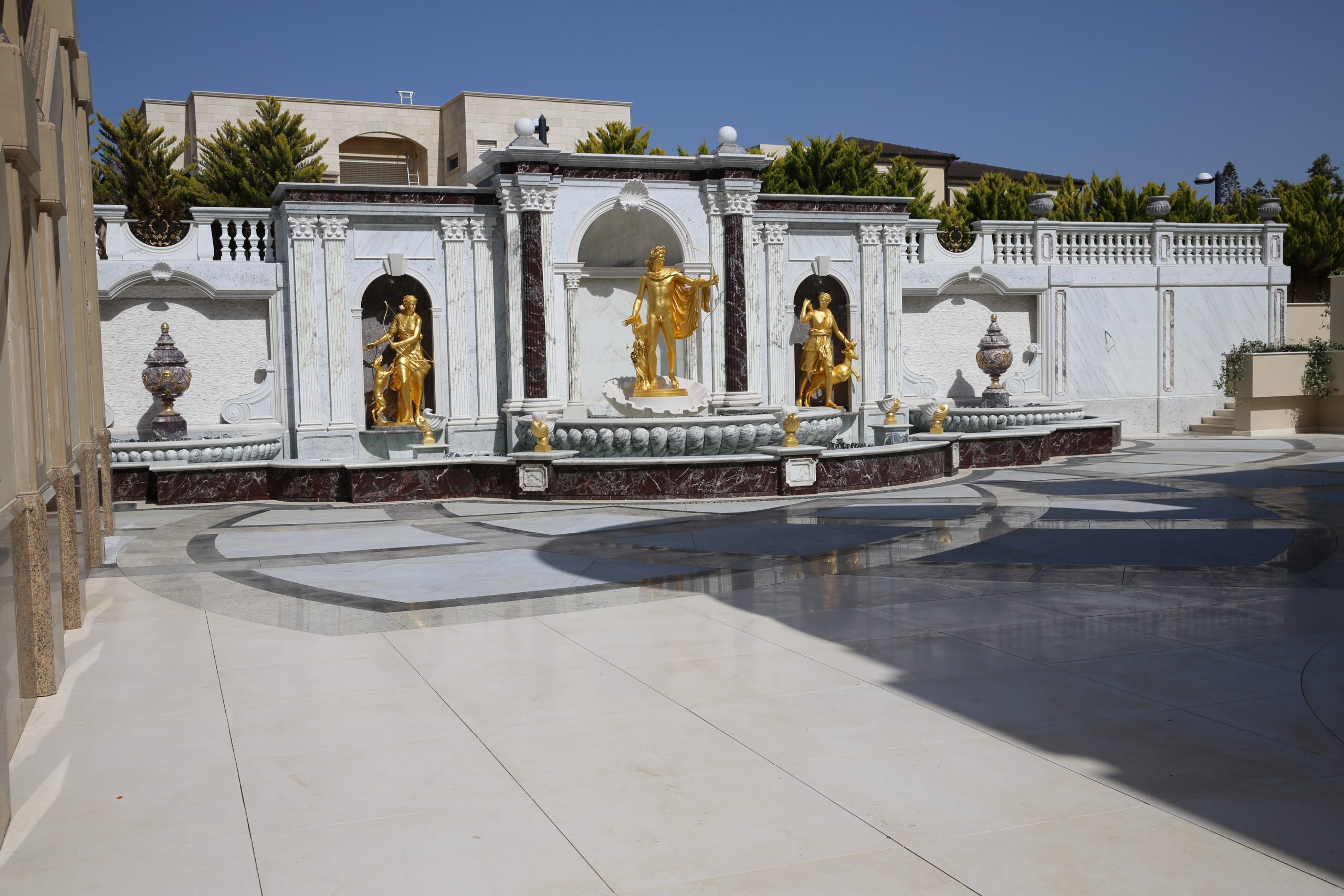
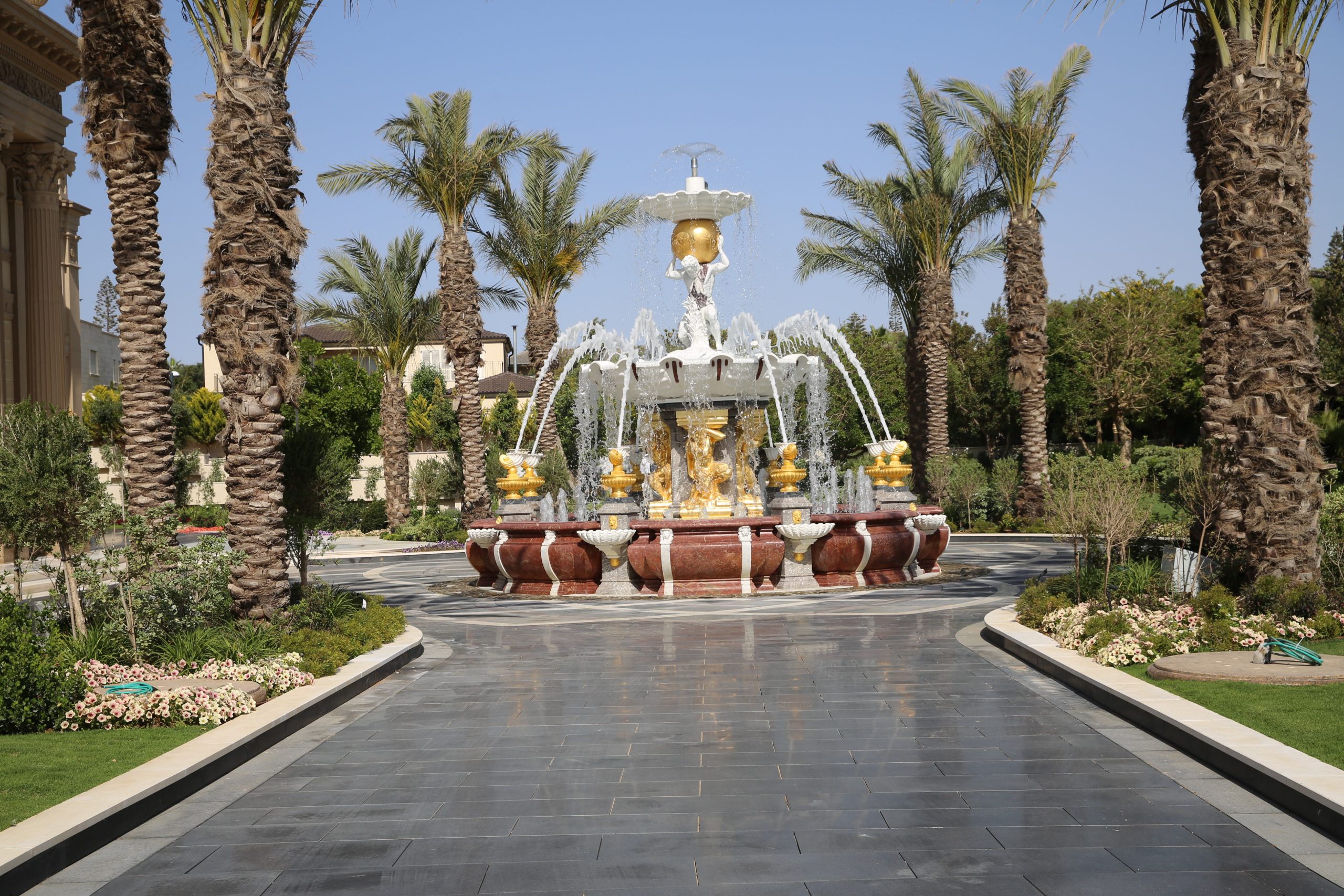
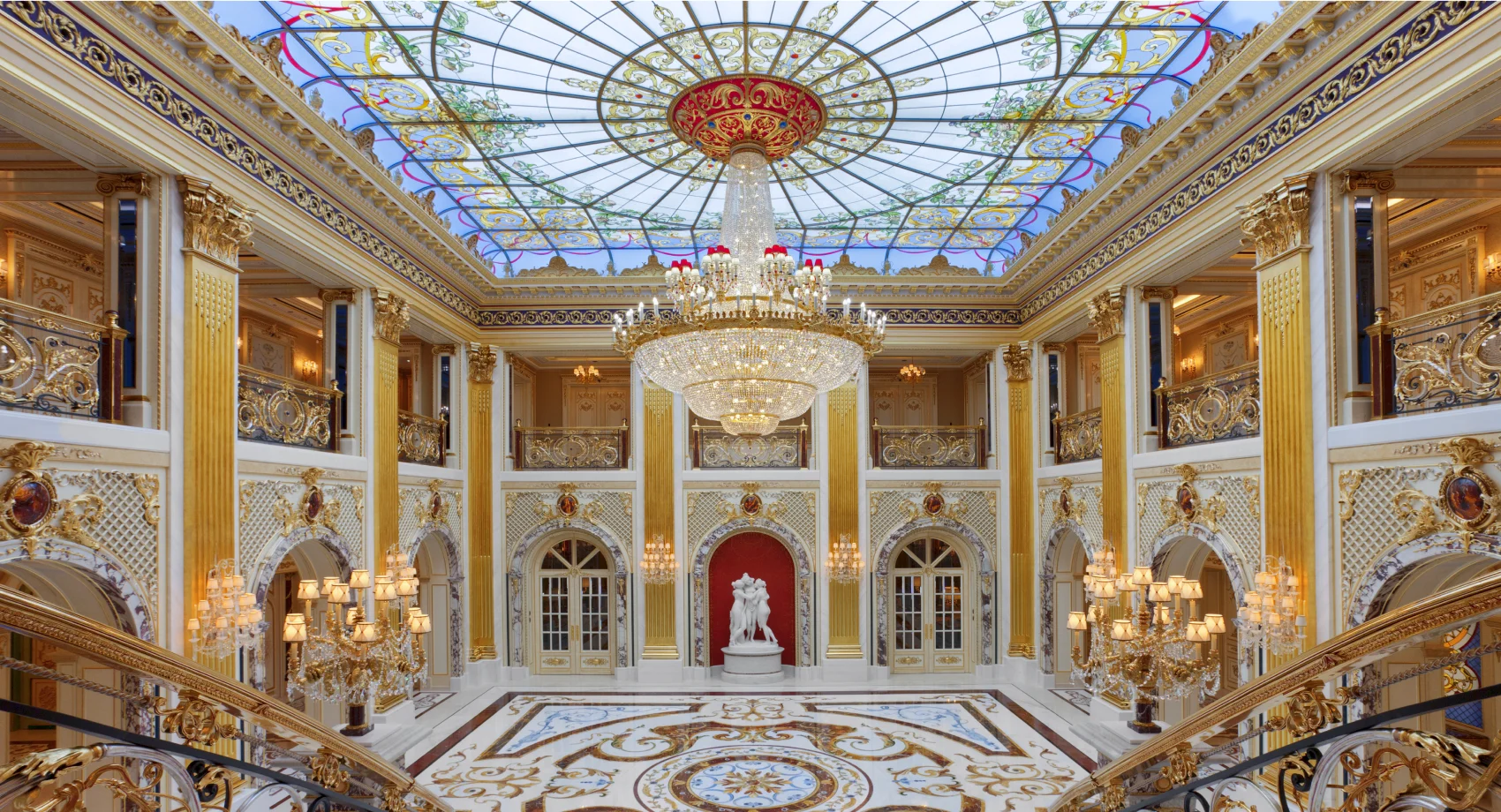
Choosing the right קבלן בנייה יוקרה is the single most consequential decision in any high-end residential project in Israel. A qualified luxury villa builder Israel must command expertise across 40+ building systems, source premium materials from international suppliers, and manage budgets that routinely exceed ₪25,000 per square meter. Marshanski Building, led by Amit Marshanski for over 25 years, has constructed the most expensive private residences in the country — including Israel’s largest private home at 6,000 sqm, built in the Hermitage style of St. Petersburg — earning its reputation as the leading private mansion builder Israel trusts for uncompromising quality.
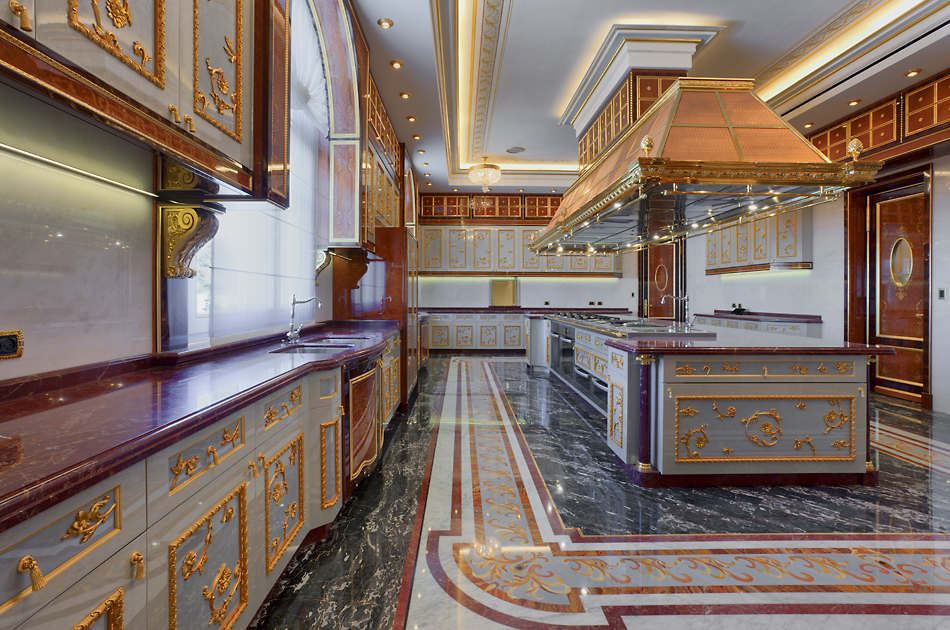
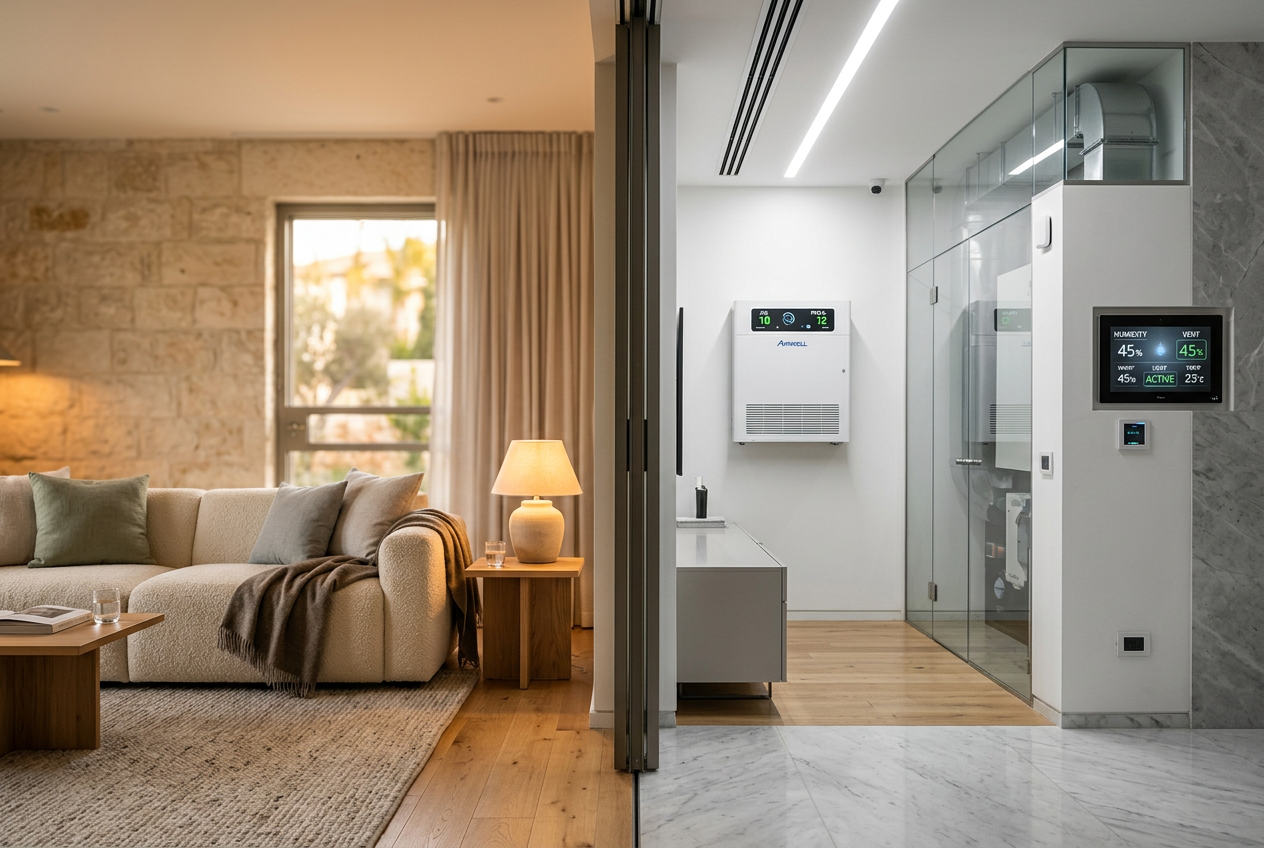
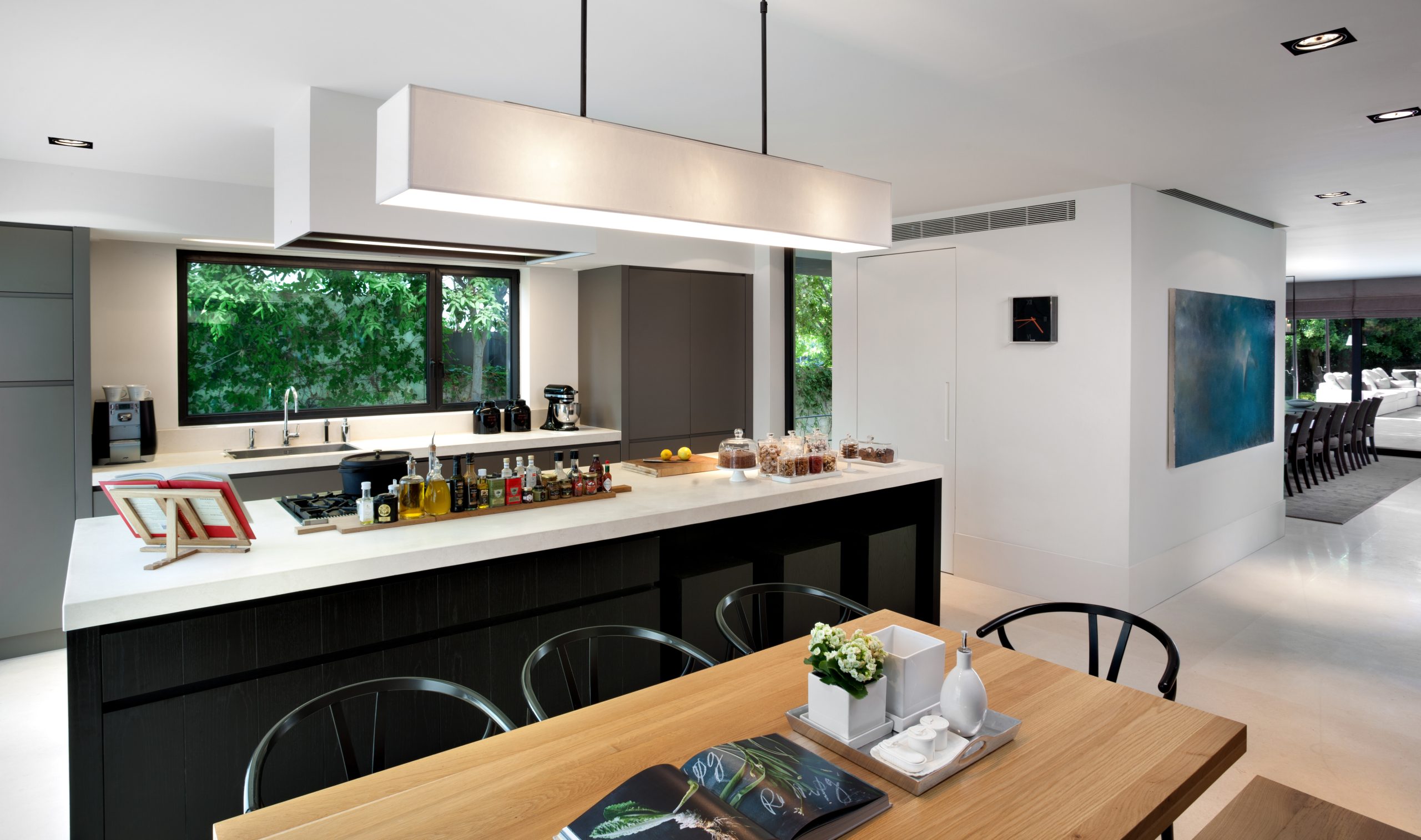
Luxury villa construction by Marshanski Building featuring elegant interior design

What Makes Ultra-Luxury Construction Israel Different from Standard Building?

Standard residential construction in Israel typically costs ₪7,000–₪12,000 per sqm and involves straightforward systems: basic HVAC, standard electrical, and conventional waterproofing. Ultra-luxury construction Israel operates in an entirely different league — with costs ranging from ₪25,000 to ₪60,000+ per sqm and complexity that most general contractors simply cannot handle.

The differences are measurable. A luxury home integrates an average of 40+ specialized systems, including underfloor heating, whole-house fresh air ventilation, multi-layer security, smart home automation, and spa-grade plumbing. Each system must be coordinated during the structural phase — not added as an afterthought. As we outline in our guide to building systems in luxury homes, the synchronization of these technologies is what separates a truly high-end residence from an expensive house with problems.

Waterproofing and finishing details also diverge dramatically. In premium construction, exterior walls are cast in solid reinforced concrete (not hollow blocks), wrapped in multi-layer waterproofing membranes, and finished with imported stone or specialized coatings rated for decades of Israeli climate exposure. Learn more about this approach in our article on why concrete beats block construction in luxury homes.

5 Essential Criteria When Choosing a Bespoke Home Builder Israel

Not every contractor who builds expensive homes qualifies as a bespoke home builder Israel. Here are the five non-negotiable criteria you should evaluate before signing any contract:

1. Proven Track Record at Scale

Ask for completed projects above 500 sqm. A contractor who has only built 200 sqm apartments will struggle with the logistics of a 1,000+ sqm villa. Marshanski Building’s portfolio includes residences ranging from 400 sqm townhouses to the record-setting 6,000 sqm private mansion — demonstrating capacity at every scale.

2. International Sourcing Capabilities

True luxury construction requires materials and subcontractors that often don’t exist locally. Italian marble, German window systems, French ironwork — a qualified high-end general contractor Israel must have established relationships with overseas suppliers and the logistical expertise to import, customs-clear, and install these materials on schedule.
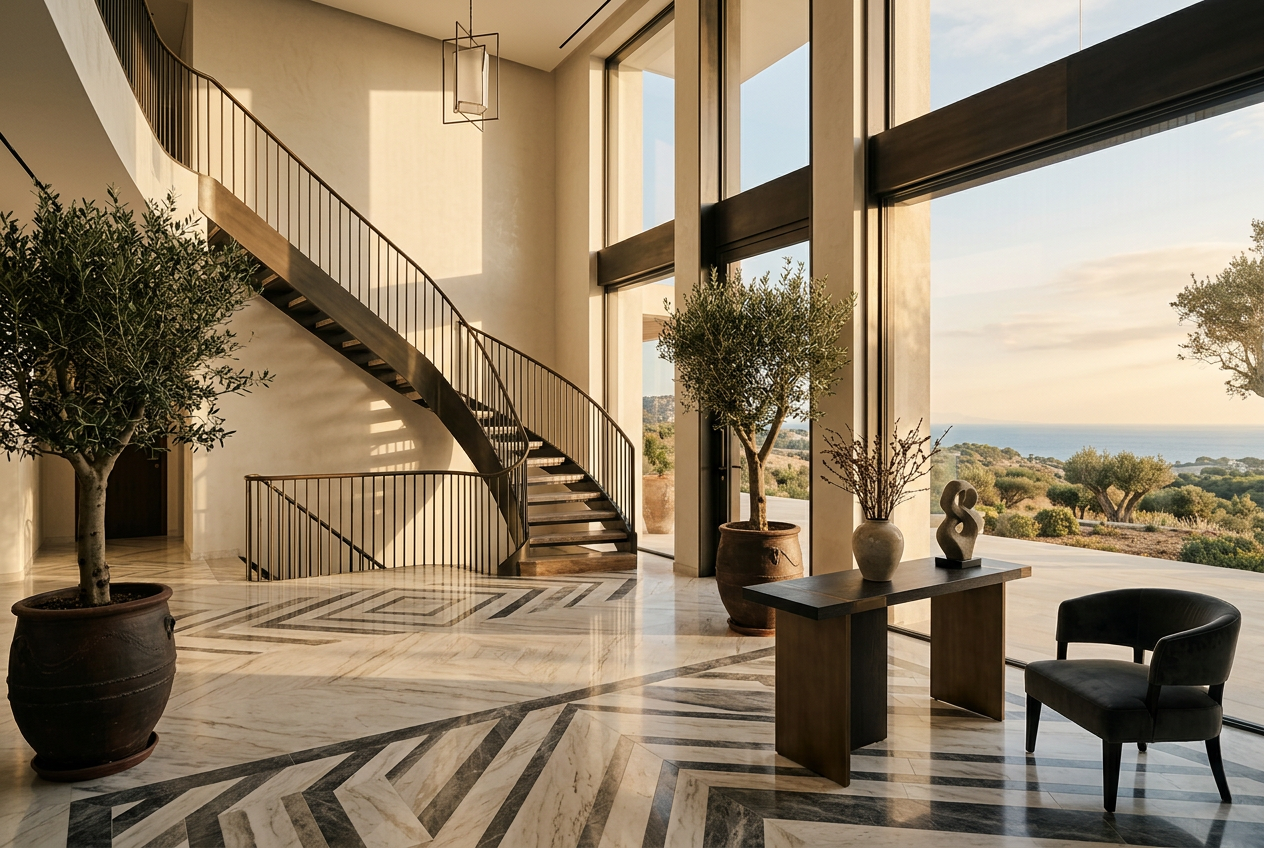
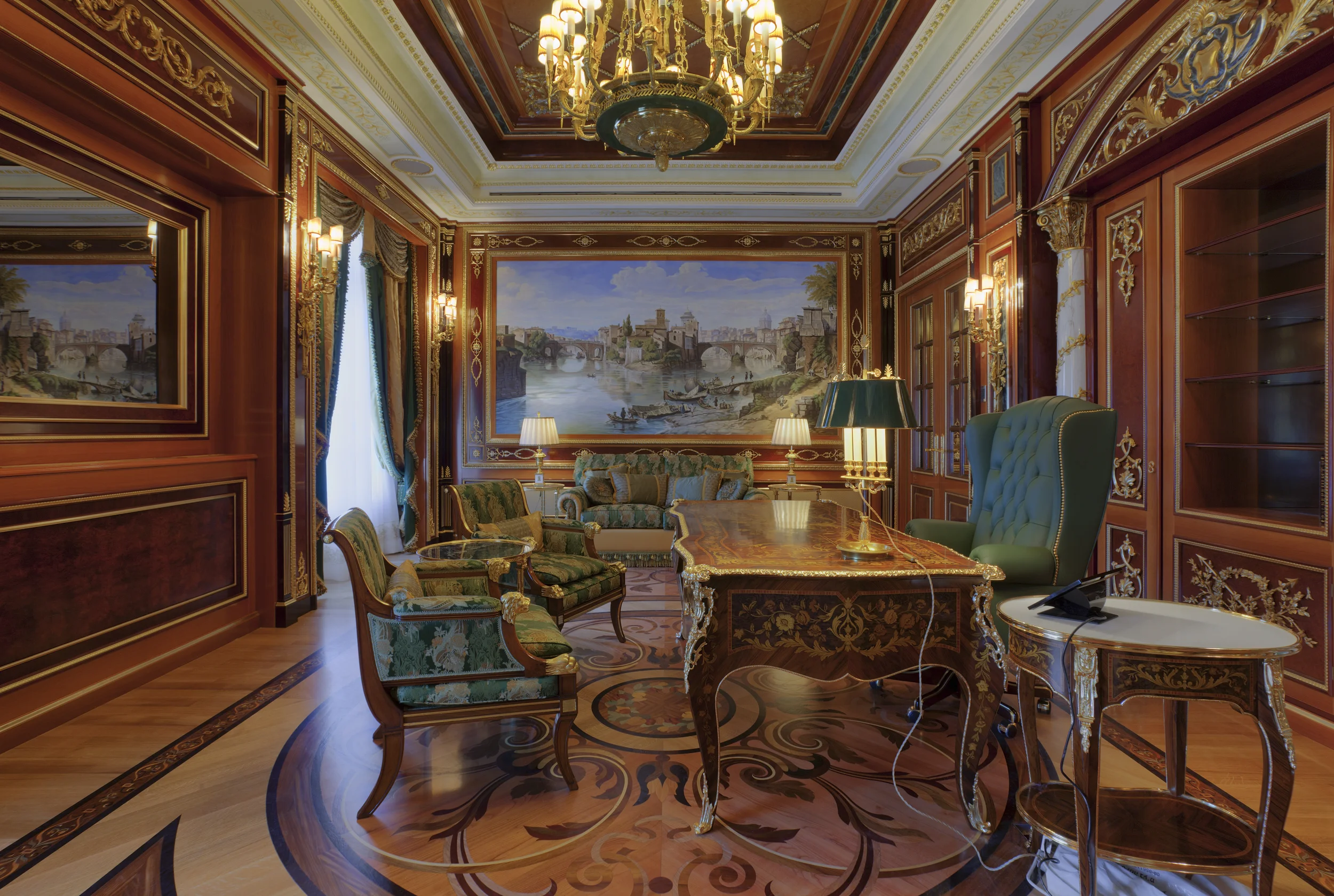
High-end residential construction detail showing premium finishes by Marshanski

3. Systems Integration Knowledge

A luxury home’s mechanical, electrical, and plumbing (MEP) systems account for roughly 24% of the total construction budget. Your contractor must understand how underfloor heating interacts with cooling systems, how smart home wiring must be pre-embedded in concrete walls, and how security infrastructure integrates with the architectural design. This isn’t coordination you can improvise on-site.

4. Long-Term Maintenance Thinking

One of the most overlooked differences between a good luxury builder and a great one is the approach to long-term building preservation. Marshanski Building designs every waterproofing detail, every mechanical access point, and every material selection with a 30+ year maintenance horizon in mind. This philosophy — planning for how a building will perform and be serviced decades after completion — is virtually absent among competitors.

5. Financial Transparency and Corporate Governance

At budget levels of ₪10–₪50 million per project, financial accountability isn’t optional. Work only with a properly incorporated company (חברה בע”מ) that maintains high BDO ratings and transparent accounting. Marshanski Building operates with audited financials and responsible fiscal management, providing clients with the security their investment demands.

The Marshanski Approach: Why Israel’s Most Demanding Clients Choose Us

Over 25 years, Marshanski Building has developed a unique project management methodology that prioritizes building quality and long-term operational performance above all else. This approach has earned recognition not only from clients but also from subcontractors and suppliers — a telling indicator, since professionals in the field know exactly who delivers real quality and who merely promises it.

Our methodology includes:

  • Full optimization of luxury construction budgets — sourcing the best global materials at competitive prices through long-standing supplier relationships
  • Direct management of all project phases, from structural concrete to final finishes
  • Waterproofing and finishing details ranked among the best in the world, not just in Israel
  • Complete systems synchronization — coordinating 40+ building systems into a seamless, maintainable whole

In recent years, the company has also expanded into high-quality ground-level neighborhood developments, delivering luxury-grade construction at a competitive price point relative to the product quality — proof that excellence doesn’t always require the highest possible price tag.
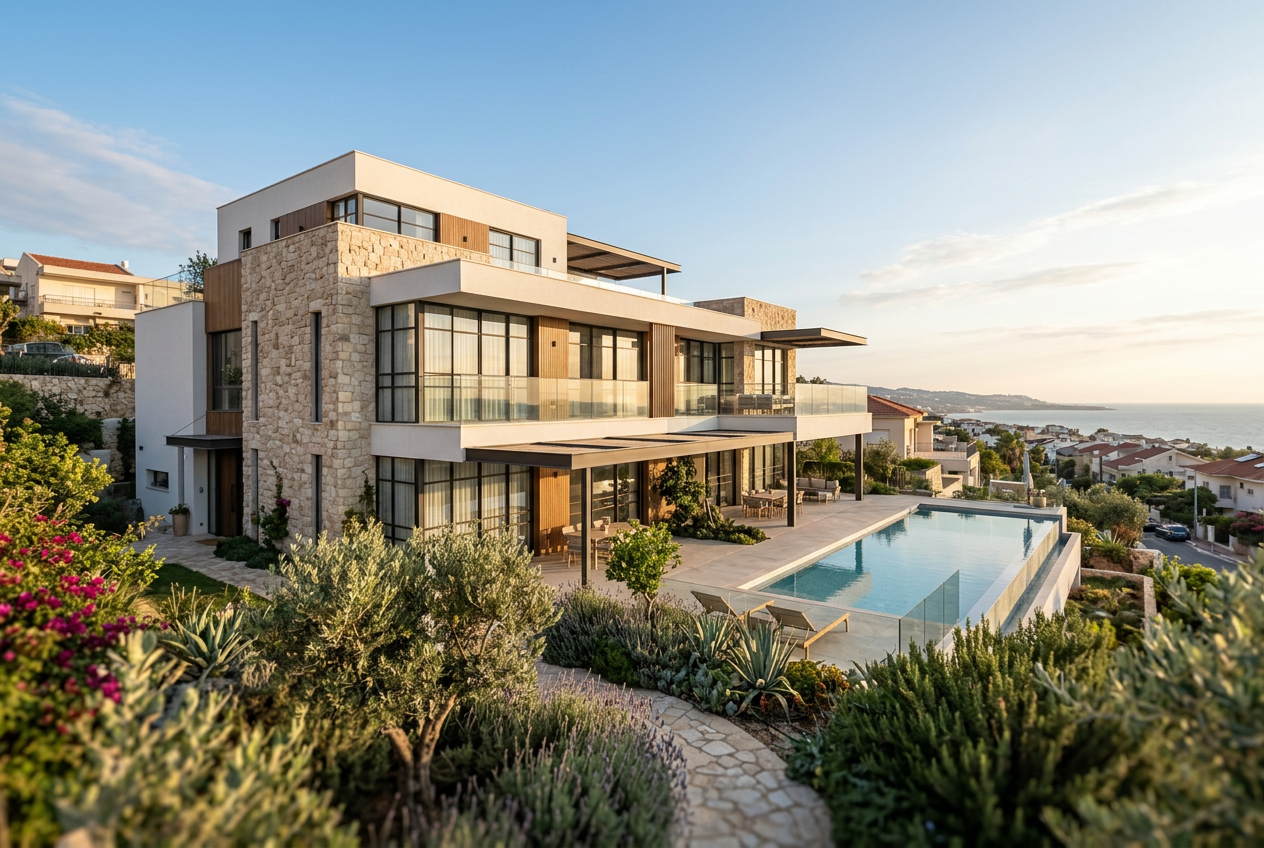
Completed luxury residence exterior by Marshanski Building in Israel

Budget Expectations: What Does Luxury Construction Actually Cost?

Understanding realistic cost ranges helps you evaluate contractor proposals critically:

  • High-end construction: ₪18,000–₪25,000 per sqm — premium materials, quality systems, professional execution
  • Ultra-luxury construction: ₪25,000–₪40,000 per sqm — imported finishes, full smart home integration, bespoke architectural elements
  • Super-luxury / museum-grade: ₪40,000–₪60,000+ per sqm — one-of-a-kind craftsmanship, international artisans, Hermitage-level detailing

For a detailed cost breakdown by region, see our comprehensive analysis of luxury home construction costs in Israel.

Frequently Asked Questions

How do I verify that a קבלן בנייה יוקרה has real experience?

Request a portfolio of completed projects with verifiable addresses. Ask for references from past clients and — critically — from subcontractors who worked on those projects. A contractor respected by the trades is almost always a contractor who delivers quality.

What is the typical timeline for building a luxury villa in Israel?

A high-end residence of 500–800 sqm typically takes 18–24 months from breaking ground to handover. Larger mansions (1,500+ sqm) can require 30–36 months. Planning and design add another 6–12 months before construction begins.

Can a luxury villa builder Israel also handle projects for overseas clients?

Yes. Marshanski Building regularly manages projects for international clients who cannot be on-site. This requires a robust reporting system, transparent milestone tracking, and a contractor trusted to make quality decisions independently on the client’s behalf.

What percentage of the budget goes to building systems versus finishes?

In a typical luxury project, approximately 33% goes to structural work, 24% to mechanical and electrical systems, 25% to finishes, 12% to exterior landscaping and development, and 6% to professional consulting and design fees.

Why is long-term maintenance planning important in luxury construction?

A luxury home contains complex systems that require ongoing servicing. If access points, drainage slopes, and material interfaces aren’t designed for maintenance from the start, repair costs and disruption multiply exponentially over the building’s lifetime.

Ready to build the home you’ve always envisioned? Marshanski Building brings 25 years of proven expertise in ultra-luxury construction Israel to every project. Contact us through marshanski.com to discuss your vision and receive a professional project assessment.
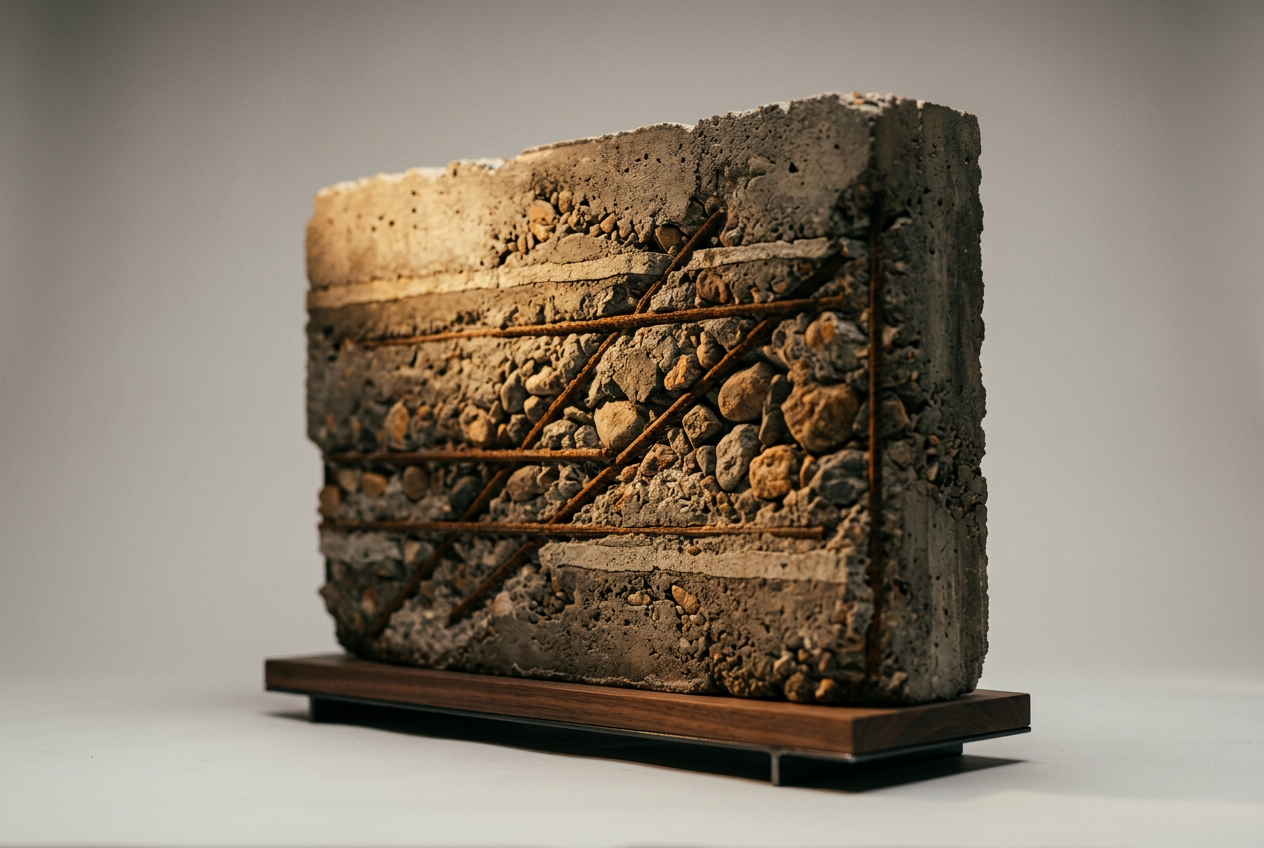
Exterior Wall Section in Luxury Homes: Why Build with Solid Concrete Instead of Blocks


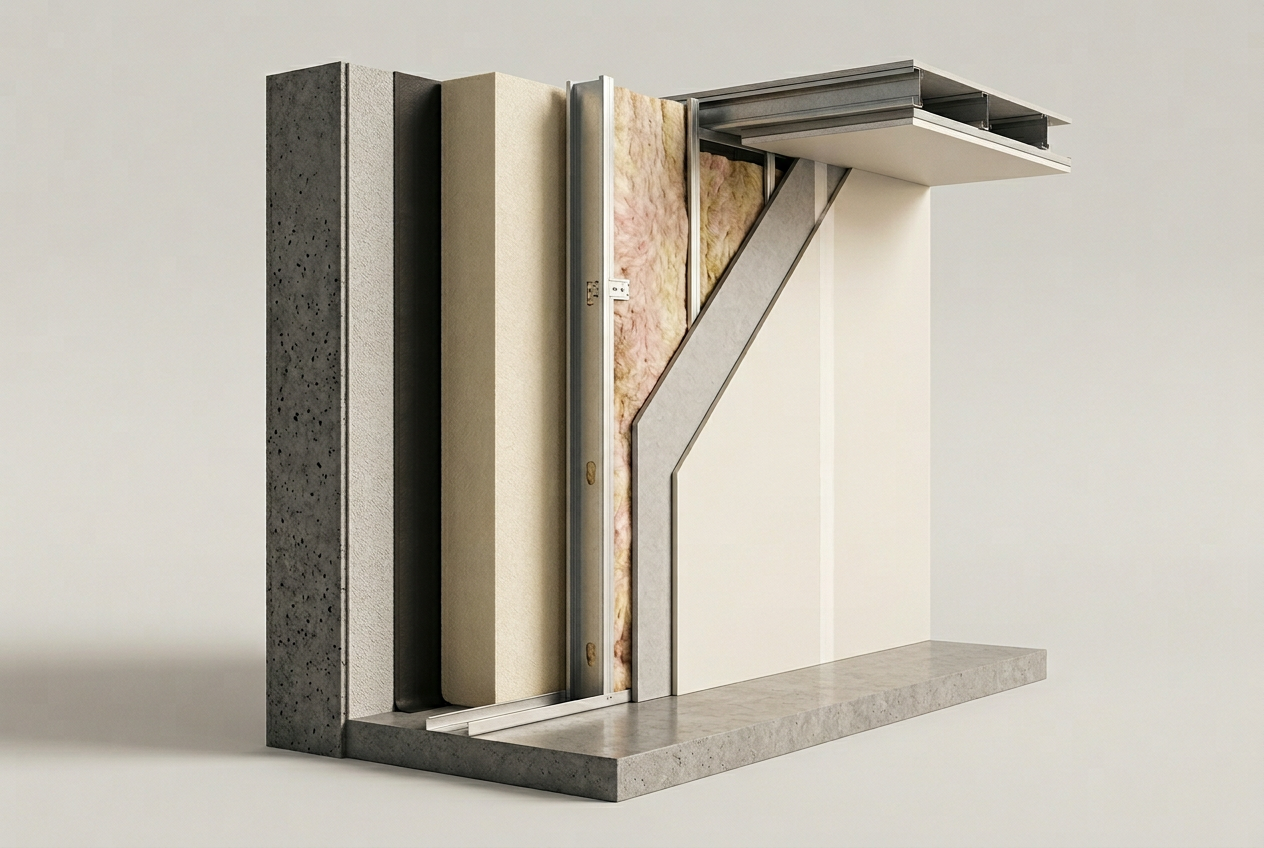
An exterior wall section in a luxury home should be built from solid concrete — not blocks. A concrete wall 20–30 cm thick, with insulation and double-layer drywall on the interior and plaster or premium cladding on the exterior, creates a uniform envelope with no thermal bridges, no cracks, and no surprises over the years. Amit Marshanski, who has managed Marshanski Build for 25 years and built the most expensive and largest homes in Israel, unequivocally recommends full concrete construction for every luxury home.

Blocks vs. Concrete: What Changed in Luxury Home Construction

For decades, the standard building method in Israel was a concrete skeleton — columns, beams, and slabs — with exterior walls built from blocks. This method worked well for standard construction, but in luxury homes it creates problems that only surface years later: thermal bridges at the junctions between concrete and block, cracks along the seam line between materials, and difficulty creating a continuous waterproofing envelope.

When the entire structure — including the exterior walls — is built from concrete, the building becomes a single monolithic unit. There are no weak points, no uncontrolled air and moisture passages, and the result is a stable, sealed structure for decades. Yes, the cost is higher — on average an 8%–15% premium on the structural frame — but in a luxury project starting at ₪25,000 per sqm and up, this difference is negligible relative to the benefit.

Technical cross-section of an exterior wall in a luxury home — layers from outside to inside: external plaster/cladding, 20-30 cm concrete wall, insulation, double-layer drywall. Clean architectural diagram in professional style

Recommended Exterior Wall Section: Layer by Layer

Amit Marshanski defines the optimal exterior wall section for luxury homes in three main layers, from outside to inside:

1. The Exterior Layer — Plaster or Cladding

The layer exposed to the eye and to weather conditions. Options include:

  • External plaster — A classic solution; when properly applied with base coats, mesh, and a finishing layer, it provides good protection and a clean appearance.
  • Dekton cladding — Synthetic panels 8–20 mm thick, resistant to UV, frost, and moisture. A popular solution in modern luxury homes.
  • Tile or natural stone cladding — Delivers a rich look and high durability, but requires careful drainage planning.

2. The Core — 20–30 cm Concrete Wall

This is the heart of the wall section. Wall thickness is determined by the structural engineer based on loads, building height, and seismic requirements. In large luxury homes — such as a 6,000 sqm residence built by Marshanski in Hermitage style — wall thickness can reach 30 cm or more.

Concrete provides mechanical strength, high thermal mass (which naturally regulates temperature), and a sealed envelope that prevents moisture and air infiltration. Unlike blocks, which have gaps, fill materials, and joints, cast concrete is a continuous, uniform material.

3. The Interior Layer — Insulation and Double-Layer Drywall

On the interior side of the house, the wall is lined with double-layer drywall. This solution achieves several goals simultaneously:

  • Enhanced thermal insulation — The air gap and insulation between the concrete and drywall create an effective thermal barrier.
  • Acoustic insulation — Separating the concrete mass from the interior finish reduces noise transmission.
  • Space for infrastructure routing — Electrical conduits, communications, and smart home wiring run through the cavity between the concrete and drywall, without chasing into the wall.
  • Perfect finish surface — Two layers of drywall create a perfectly flat surface for painting or cladding.

Luxury home construction with solid concrete walls — Marshanski project

Why Not Blocks? The Problems That Emerge Years After Construction

A block is a modular element assembled by hand, with mortar gaps between each unit. In standard construction it’s a reasonable solution, but in a luxury home it generates several fundamental problems:

  • Thermal bridges — At the junction between the concrete column and the block wall, a thermal bridge forms. Concrete transfers heat and cold at a different rate than blocks, and at this point condensation, moisture, and eventually mold develop over time.
  • Cracks at the seam line — Concrete and blocks shrink and expand at different rates. Over the years, cracks form precisely at the junction point, compromising both waterproofing and aesthetics.
  • Structural weakness — A block wall doesn’t contribute to the building’s structural strength the way a concrete wall does. In a large home with wide openings, this can require more complex structural solutions.

In projects managed by Marshanski — in Kfar Shmaryahu, Caesarea, Herzliya Pituach, and Tel Aviv — this consideration directly impacts the building’s lifespan and maintenance costs over the next 20–30 years.

What About Exposed Concrete? The Simple Case

In modern homes where concrete remains exposed — as a distinct design trend — the question doesn’t even arise. The wall is concrete on the outside and inside, and the result is a simple, straightforward wall section. The concrete is exposed, treated with protective and waterproofing agents, and serves as both a structural element and a finish element.

But even in classic homes or in styles that require plaster and cladding — the principle remains the same: the core of the wall must be concrete. Everything around it — plaster, insulation, drywall — are layers that protect it and enhance its performance.

The Impact on Home Systems

A modern luxury home includes over 40 different systems — underfloor heating, HVAC, ventilation, smart home, security systems, and more. A solid concrete wall enables more precise planning of how all these systems are routed, because there are no surprises from hollow cavities inside blocks and no structural weaknesses limiting conduit placement.

The double-layer drywall on the interior creates a built-in cavity for electrical and communication conduits, eliminating the need for wall chasing — a process that compromises both waterproofing and structural strength. This approach exemplifies the differences between standard and luxury construction — thinking ahead about every detail.

The Cost: How Much More Does It Really Cost?

Full concrete construction, including exterior walls, adds an average of ₪300–500 per sqm of structural frame compared to a frame with blocks. For a 500 sqm project, that’s an additional ₪150,000–250,000. In luxury projects with a total budget starting at ₪12.5 million and up (according to luxury construction costs in Israel), this represents a 1%–2% addition to the total budget — an investment that pays for itself through durability, waterproofing, and energy savings over the years.

Frequently Asked Questions

Is it mandatory to build exterior walls from concrete in a luxury home?

It’s not mandatory by building regulations, but from a professional standpoint it’s the unequivocal recommendation. A concrete wall creates a monolithic envelope with no thermal bridges, no cracks at joints, and none of the waterproofing issues common in block walls. Amit Marshanski recommends this approach for every luxury project.

What is the recommended thickness for an exterior concrete wall?

The thickness is determined by the structural engineer and typically ranges between 20 and 30 cm. It depends on the building height, loads, seismic requirements, and opening design (large windows and doors require stronger walls).

Why use double-layer drywall on the interior instead of just plastering the concrete?

Double-layer drywall provides thermal and acoustic insulation, creates a cavity for routing electrical and communication infrastructure without chasing into the concrete, and produces a perfectly flat finish surface. Plaster applied directly to concrete doesn’t deliver all these advantages.

What is the cost difference between a block frame and a full concrete frame?

The premium ranges from ₪300 to ₪500 per sqm of structural frame. For a 500 sqm home, that’s ₪150,000–250,000, which is approximately 1%–2% of the total luxury construction budget. The investment pays for itself through durability and energy savings.

Does exposed concrete require additional wall layers?

In modern homes with exposed concrete, the concrete serves as the finish layer — both inside and out. In these cases, the concrete is treated with dedicated protective and waterproofing agents, and sometimes thermal insulation is added using unique methods that don’t compromise the aesthetic.

Summary: The Wall Is the Foundation of Building Quality

An exterior wall section is not a minor technical detail — it determines the quality of life in the home for years to come. Solid concrete construction, with insulation and double-layer drywall on the interior and quality cladding on the exterior, is the best investment you can make in a home’s structural frame. Amit Marshanski’s company, specializing in luxury home construction in Israel, applies this principle in every project — because a building constructed correctly from the start saves money, headaches, and maintenance for decades.

Planning to build a luxury home? Contact the Marshanski team for professional guidance on structural frame and wall design — while you’re still in the planning stage.

Can Every Contractor Build Luxury Homes? 7 Critical Risks You Must Know


No, not every contractor can build luxury homes — even if they believe otherwise. Hiring the wrong luxury contractor for a high-end residence in the range of ₪25,000–₪50,000 per square meter can lead to catastrophic results. The gap between a regular contractor and a true luxury contractor is not about price alone — it is a fundamental difference in execution methodology, quality standards, and long-term thinking about building performance. Choosing the right luxury contractor demands specialized knowledge, a proven track record, and deep expertise in materials, systems integration, and project management that standard builders simply do not possess.

Why Standard Contractors Fail as a Luxury Contractor

When a contractor accustomed to building at ₪6,000–₪12,000 per square meter sees a project worth tens of millions of shekels, the temptation is enormous. A 600 sqm home at ₪30,000 per square meter represents an ₪18 million project. The reasoning seems logical: “If I can build a standard home, what’s the difference? Just more expensive materials.”

That reasoning is exactly the problem. Luxury construction is not standard building with an expensive faucet. A qualified luxury contractor operates with an entirely different methodology — millimeter-level precision, coordination of over 40 distinct building systems, and management of international suppliers and subcontractors that requires years of dedicated experience. Marshanski Build, led by Amit Marshanski for 25 years, has built Israel’s most expensive homes — including the country’s largest private residence at 6,000 sqm, designed in Hermitage style — precisely because this level of work cannot be improvised.

expansive luxury villa exterior in Israel built by a luxury contractor with stone cladding, large glass facades, manicured gardens, and architectural lighting at dusk

7 Critical Risks of Choosing the Wrong Luxury Contractor

1. Waterproofing and Execution Detail Failures

In a luxury home, every junction between different materials requires a specific execution detail. The connection between natural stone and glass, the meeting point between marble flooring and an aluminum frame, pipe penetrations through concrete walls — each demands a precise waterproofing solution. A luxury contractor without proper experience either improvises or ignores these details entirely. The consequence: leaks and moisture problems within two years, requiring costly remediation that can reach hundreds of thousands of shekels.

2. Inability to Synchronize 40+ Complex Building Systems

A modern luxury home integrates underfloor heating, central air conditioning, fresh air ventilation, home automation, architectural lighting, AV systems, multi-layered security, heated pools, and more. The complete list of systems in luxury home construction exceeds 40 distinct items. A contractor familiar with 10 of them cannot coordinate the remaining 30 — and that is a recipe for system conflicts, rework, and failure.

Each system has its own subcontractor, its own timeline, and its own spatial requirements within the structure. When an unqualified luxury contractor fails to plan and synchronize from day one, you end up with HVAC ducts that conflict with structural beams, electrical conduits that block plumbing routes, and automation wiring that was never accounted for in the wall sections.

3. Catastrophic Budget Overruns (30%–50%)

One of the most devastating risks of hiring the wrong luxury contractor is financial. A builder unfamiliar with luxury construction cannot price a project accurately. They don’t know the true cost of imported finishing materials, lead times from factories in Italy or Germany, or the labor cost of specialist craftsmen. The result: budget overruns of 30%–50% from the original estimate. On a ₪20 million project, that translates to ₪6–10 million in unexpected costs — a figure that can destroy the client-contractor relationship and the project itself.

Professional luxury contractor team coordinating high-end construction project in Israel

4. Significant Timeline Delays of 6–12 Months

A luxury construction project managed by an experienced luxury contractor should take between 18 and 36 months, depending on size and complexity. An inexperienced builder faces surprises they never anticipated — materials that don’t arrive on schedule, subcontractors who fail to meet quality requirements, the need to demolish and rebuild sections. Delays of 6–12 months are common in projects managed by unqualified contractors. Beyond the financial damage, these delays create enormous strain on relationships between all parties involved.

5. Finishing Quality That Falls Below Luxury Standards

In true luxury construction, quality is measured in details that the untrained eye might not immediately catch — but the homeowner absolutely feels. Uneven grout lines in marble, imperfect joints between wood cladding and walls, asymmetry in recessed lighting fixtures. Standard contractors work within a tolerance of centimeters. A professional luxury contractor works in individual millimeters — and sometimes fractions of a millimeter.

This gap in standards is not something that can be bridged by simply “trying harder.” It requires trained teams, specialized tools, and a quality management culture that takes years to develop.

6. Inability to Manage International Suppliers

In projects at ₪25,000 per square meter and above, a significant portion of materials is imported — marble from Italy, mechanical systems from Germany, fixtures from England. A competent luxury contractor must have experience managing an international supply chain, established relationships with manufacturers, logistics knowledge, and the ability to handle delays and customs complications. Marshanski Build has spent 25 years building a network of international suppliers and subcontractors — an advantage that simply cannot be created overnight.

Understanding the full scope of why luxury construction has become so complex is essential before selecting any luxury contractor for a high-end project.

7. The Path to Court — Almost Inevitable

When the gap between expectations and results is enormous, and when the sums involved reach tens of millions of shekels, the probability of the project ending in litigation is extremely high. Amit Marshanski, CEO of Marshanski Build, notes that this is a recurring scenario: “The disappointment on both sides is immense — the luxury contractor who didn’t understand what they got into, and the client who received a product completely different from what they expected.”

close-up of premium marble flooring installation by a luxury contractor showing perfect alignment and minimal grout lines in a high-end home interior

What Clients Don’t Know About Hiring a Luxury Contractor

The responsibility doesn’t fall solely on contractors. Clients purchasing luxury homes for the first time often don’t know the right questions to ask their luxury contractor. The differences between standard and high-end building go far deeper than visible finishes — they extend to structural decisions, system integration, waterproofing methodology, and long-term maintenance planning.

Marshanski Build, a leading luxury contractor specializing in high-end residential construction across Israel, approaches each project with a philosophy centered on long-term building performance — not just how the home looks on delivery day, but how it performs 10, 20, and 30 years down the line. This includes world-class waterproofing details, thoughtful maintenance access points, and system designs that anticipate future upgrades.

How to Evaluate a Luxury Contractor: A Practical Checklist

Before committing to any luxury contractor for a high-end construction project, conduct a thorough evaluation using these criteria:

  • Discuss execution details: Ask how they plan junctions between different materials. What is their waterproofing methodology? Can they show you cross-section drawings from previous projects?
  • Test systems knowledge: Does the luxury contractor understand central ventilation systems? Can they explain the difference between comfort systems and health systems? Have they managed underfloor heating integrated with pool heating?
  • Verify track record: This is the most critical factor. Ask to see completed projects, speak with previous clients, and physically visit homes they’ve built. A luxury contractor with real experience will proudly show their work.
  • Examine financial management: A company with a high BDO rating, regular audits, transparent accounting, and responsible financial management signals stability and professionalism. Marshanski Build operates as a registered Ltd. company with a strong BDO rating — a level of financial accountability that protects clients.
  • Assess subcontractor relationships: Ask who their regular subcontractors are. Long-standing relationships with quality tradespeople indicate a reliable luxury contractor with consistent project delivery.

The Bottom Line: A Qualified Luxury Contractor Cannot Be Faked

Building a luxury home is one of the largest financial decisions a family will make. At ₪25,000–₪50,000 per square meter — with total project values routinely exceeding ₪15–30 million — the stakes are simply too high for experimentation. The difference between a luxury contractor who has built dozens of high-end homes and one attempting their first is not marginal. It is the difference between a home that performs beautifully for decades and one that becomes a source of endless problems and legal disputes.

Marshanski Build has been Israel’s trusted luxury contractor for 25 years, building the country’s most prestigious private homes. If you’re planning a luxury construction project and want the confidence of working with a proven luxury contractor with a verifiable record in high-end residential building, contact Amit Marshanski’s team for a professional consultation. The right luxury contractor doesn’t just build your home — they protect your investment for generations.

Frequently Asked Questions

How much does a luxury contractor charge per square meter in Israel?

A qualified luxury contractor in Israel typically charges ₪25,000 to ₪50,000+ per square meter, depending on the level of finishes, imported materials, and system complexity. This is 3–5 times higher than standard construction costs of ₪6,000–₪12,000 per sqm, reflecting the specialized expertise required.

How long does a luxury contractor take to build a high-end home in Israel?

A properly managed luxury construction project takes 18 to 36 months, depending on size and complexity. Projects managed by contractors lacking luxury contractor experience frequently suffer delays of 6–12 months beyond the planned timeline.

What is the biggest risk of hiring the wrong luxury contractor?

The biggest risk of choosing an unqualified luxury contractor is a combination of catastrophic budget overruns (30%–50% above estimate) and substandard quality that requires extensive rework. On projects valued at ₪15–30 million, this can mean millions of shekels in additional costs and years of delays, often ending in litigation.

How many building systems does a luxury contractor manage in a high-end home?

An experienced luxury contractor in Israel manages over 40 distinct building systems — from underfloor heating and fresh air ventilation to home automation, multi-layered security, architectural lighting, and heated swimming pool systems. Coordinating all these systems requires specialized project management experience.

What qualifications should a luxury contractor in Israel have?

Look for a luxury contractor with at least 15–20 years of documented high-end construction experience, a portfolio of completed luxury projects you can visit, strong financial standing (high BDO rating), established international supplier relationships, and demonstrable expertise in managing 40+ building systems simultaneously.

Building a Home in Israel from Abroad: The Complete Guide for Overseas Property Owners


Building a home in Israel from abroad is a complex process that requires meticulous planning, a solid understanding of Israeli regulations, and a seasoned contractor capable of managing a full construction project for a client thousands of kilometers away. Marshanski Build, led by Amit Marshanski with 25 years of experience constructing Israel’s most prestigious luxury homes — including the country’s largest private residence at 6,000 sqm — guides overseas property owners through every stage of the project, from initial planning to key handover.

Why Overseas Property Owners Choose to Build in Israel

Israel’s real estate market has shown consistent appreciation in property values over the past several decades. Building a private home — rather than purchasing an existing apartment — gives you full control over construction quality, design, and customization to your family’s specific needs. For overseas investors, constructing a luxury property in Israel is both a smart financial investment and the creation of a home that awaits them on every visit.

The most sought-after areas for private home construction among overseas residents include Kfar Shmaryahu, Herzliya Pituach, Caesarea, Savyon, and premium neighborhoods in Jerusalem and Tel Aviv. Construction costs in these areas start at NIS 25,000 per sqm and upward, depending on the level of finishes and integrated systems.

The Key Challenges of Building a Home Remotely

1. Time Zone Gaps and Communication

Managing a construction project demands daily decision-making. When the client is based in New York, London, or Paris, any delay in communication can translate directly into construction delays. An experienced company will establish a structured weekly reporting system — including photographic documentation, progress reports, and regular video conferences.

2. Israeli Regulation and Bureaucracy

The building permit process in Israel takes an average of 12–18 months, and sometimes longer. For overseas residents, additional documents are required: a notarized power of attorney, tax authority approvals, and sometimes the opening of a dedicated Israeli bank account for the project. Without professional guidance, the bureaucratic process alone can cause months of delays.

3. Remote Quality Control

In luxury construction, the small details define the outcome. Waterproofing, finishing, system connections — all require close supervision. When the client isn’t on-site, they need absolute trust in whoever is managing on their behalf. This is precisely why selecting a contractor with a proven reputation is the most critical step in the process.

Architectural blueprints spread on a desk next to a laptop showing a video call with an active Israeli construction site, Israeli passport and international documents visible on the side

The Process: From Decision to Key Handover

Step 1: Land Selection and Preliminary Checks

Before construction begins, you must verify the plot is suitable. Checking the local building plan (Taba), building rights, soil type, and existing infrastructure — all of these affect project feasibility and cost. Overseas property owners need an Israeli real estate attorney from this very first stage.

Step 2: Architectural and Engineering Design

The design phase includes selecting an architect, structural engineer, and additional professional consultants. In luxury construction, the number of consultants can reach 15 or more — from waterproofing specialists to smart home system planners. For more details on the required professionals, see our guide on essential consultants for luxury construction projects.

Step 3: Obtaining a Building Permit

The permit application includes detailed plans, expert opinions, and approvals from various authorities (fire department, health ministry, electric company, and more). For overseas residents, a power of attorney granted to the lawyer and contractor enables managing the process without physical presence.

Step 4: Construction and Execution

The execution phase is the longest and most complex — between 18 and 36 months for a luxury home. A residence of 400–600 sqm includes dozens of systems that must work in perfect synchronization: underfloor heating, ventilation, air conditioning, smart electrical systems, security, and more. The full system breakdown is detailed in our post on 40+ systems in luxury home construction.

Step 5: Supervision and Quality Control

Marshanski Build employs a unique project management methodology focused on building quality and long-term building performance. Every construction stage is documented, inspected, and approved before proceeding to the next. Waterproofing and finishing details meet the highest global standards — with long-term thinking about maintenance and building preservation for decades to come.

Luxury construction project by Marshanski Build in Israel showing high-end finishes

Financial and Tax Considerations for Overseas Residents

Building a home in Israel as a non-resident raises complex tax questions that require professional handling:

  • Purchase Tax (Mas Rechisha): Non-residents purchasing property in Israel pay a purchase tax of 8% on every shekel, with no reduced brackets (as of 2026). This is a significant gap compared to Israeli residents who pay 0% up to a certain threshold.
  • Fund Transfers: You must open an Israeli bank account and document every international transfer. Banks require proof of fund origin in accordance with anti-money laundering regulations.
  • VAT: Home construction is subject to VAT at 18%. This cost is added to the construction budget and must be factored in from the start.
  • International Tax Advisory: Residents of countries that have tax treaties with Israel (USA, UK, France, Canada, and others) may benefit from certain reliefs. Consultation with an accountant specializing in international taxation is mandatory.

In terms of construction costs, a luxury project in Israel starts at NIS 25,000 per sqm and can reach NIS 50,000 per sqm and above for the highest-tier projects. For example, a 500 sqm home at a high level will cost between NIS 12.5 million and NIS 25 million for construction alone — excluding land price, planning, and taxes. For a full cost breakdown, visit our post on the cost of building a luxury home in Israel.

Why Choose an Experienced Construction Company for Remote Project Management?

The difference between a successful project and a failed one lies in management. Marshanski Build, specializing in luxury construction across Israel, brings specific advantages for overseas property owners:

  • 25 years of experience building Israel’s most prestigious properties — including the largest private home in the country (6,000 sqm in Hermitage style).
  • International supplier network: The company sources subcontractors and suppliers from abroad, achieving full optimization in luxury construction — Italian stone, German systems, and the world’s most advanced solutions.
  • Long-term thinking: Every property is built with world-class waterproofing and finishing details, with a focus on maintenance and preservation for decades — a critical advantage when the owner doesn’t live on-site permanently.
  • Responsible financial management: The company is a registered Ltd. with a high BDO rating, providing peace of mind for clients transferring significant sums from overseas.
  • End-to-end management: The company handles the entire project — planning, permits, construction, and supervision — so the overseas client only needs to make design decisions and approve budgets.

Completed luxury villa project by Marshanski Build showcasing premium construction quality

Practical Tips for Building a Home in Israel from Abroad

  1. Set a realistic budget upfront — including VAT (18%), purchase tax on the land, planning costs (8–12% of construction cost), and a contingency buffer of 10–15% for the unexpected.
  2. Appoint an Israeli attorney from day one — they will accompany you from land purchase through to property registration in the Tabu (land registry).
  3. Demand structured weekly reporting — photos, videos, written reports. Don’t settle for a WhatsApp message.
  4. Plan visits at critical stages — at least 3–4 visits during the project: construction start, shell completion, finishing phase, and handover.
  5. Never skip soil testing — a geotechnical survey costs approximately NIS 15,000–25,000 and can prevent surprises worth hundreds of thousands of shekels.

Frequently Asked Questions

Can an overseas resident buy land and build a home in Israel?

Yes, non-residents are legally permitted to purchase land and build in Israel. You will need a notarized power of attorney, a local attorney, and an Israeli bank account. Purchase tax for non-residents stands at 8% of the property value.

How long does it take to build a luxury home in Israel?

The complete process — from land purchase to move-in — typically takes 3–5 years. This includes 12–18 months for planning and permits, and 18–36 months for construction itself, depending on the size and complexity of the project.

How much does it cost to build a luxury home in Israel from abroad?

Construction costs alone range from NIS 25,000 to NIS 50,000+ per sqm, depending on the level of finishes. For example, a 500 sqm home at a high standard will cost between NIS 12.5 million and NIS 25 million for construction — excluding land, planning, and taxes.

Can you manage a construction project in Israel without visiting the country?

Technically yes, but it is not advisable to skip visits entirely. Experienced construction companies like Marshanski Build provide comprehensive reporting and manage the project on the client’s behalf, but visits at key milestones (at least 3–4) are essential for informed decision-making.

What are the legal aspects overseas buyers need to know?

Beyond purchase tax and VAT, verify that the land is properly registered, that a valid building permit exists, and that the contractor agreement includes a timeline, guarantees, and penalties for delays. Non-residents must also report the Israeli property in their country of residence.

Your First Step

Building a home in Israel from abroad is a mission that demands professionalism, trust, and proven experience. Marshanski Build, specializing in constructing the highest-level luxury homes in Israel, accompanies overseas property owners throughout the entire process — from initial planning to handing over the keys to your dream home.

Planning to build a home in Israel? Contact the Marshanski Build team for an initial consultation with no obligation. We are happy to guide you at every stage — even from across the ocean.

Two Types of Home Systems: Comfort vs. Health — What Luxury Homeowners Need to Know


Every luxury home contains dozens of integrated home systems, but not all of them serve the same purpose. After building some of Israel’s most expensive residences over the past 25 years — including a 6,000 sqm Hermitage-style mansion — Marshanski Build has identified a critical distinction that most builders overlook: there are systems that elevate your daily comfort, and there are systems that actively protect your long-term health. Understanding this distinction before construction begins can fundamentally change how you live in your home for decades to come.

The Two Categories of Home Systems Every Luxury Project Must Address

When planning a high-end home at budget levels of ₪25,000+ per square meter, the conversation around building systems tends to blur into a single, overwhelming list. HVAC, smart home, security, plumbing — they all end up on the same spreadsheet. But the reality is more nuanced than that.

Category 1: Quality-of-Life Systems (Comfort) — These are the systems that make daily living easier, more pleasant, and more luxurious. They include central vacuum, smart home automation, audio-video distribution, lighting control, and motorized shading. They don’t necessarily affect your physical health, but they dramatically improve how you experience your home every single day.

Category 2: Health-Preservation Systems — These are the systems that protect your body over time. They address acoustics, water quality, air quality, and sleep environment. Unlike comfort systems, these directly impact your cardiovascular health, cognitive function, immune response, and sleep quality. Their absence may not be immediately noticeable — but their long-term effects are measurable and significant.

The mistake many homeowners make is investing heavily in Category 1 while treating Category 2 as an afterthought. A truly well-built luxury home needs both — and they need to be planned simultaneously during the design phase, not retrofitted later.

Complete list of building systems in luxury home construction in Israel

Comfort Systems: Central Vacuum, Smart Home, Audio-Video & Sound

Let’s start with the systems that most people associate with luxury living. These are visible, tangible, and immediately rewarding.

Central Vacuum Systems

A central vacuum system eliminates the need to carry a heavy unit from room to room. More importantly, it vents all dust and allergens outside the living space rather than recirculating them through a filter. In homes above 300 sqm, this system typically costs between ₪15,000 and ₪40,000 depending on the number of inlet valves and the length of piping runs. The convenience factor is obvious, but there’s actually a health crossover here — by removing particulate matter from indoor air, central vacuum systems contribute to better respiratory conditions.

Smart Home Automation & Lighting Control

Modern smart home systems — whether KNX, Crestron, Control4, or Lutron-based — allow homeowners to control lighting, HVAC, shading, and security from a single interface. In a typical Marshanski Build project, smart home integration accounts for roughly 3–5% of the total construction budget. The key advantage isn’t just the “wow factor” of pressing a button to set a scene. It’s the elimination of daily friction: automated morning routines, climate zones that adjust by room occupancy, and shading that responds to sun angle without manual intervention.

Audio-Video & Distributed Sound

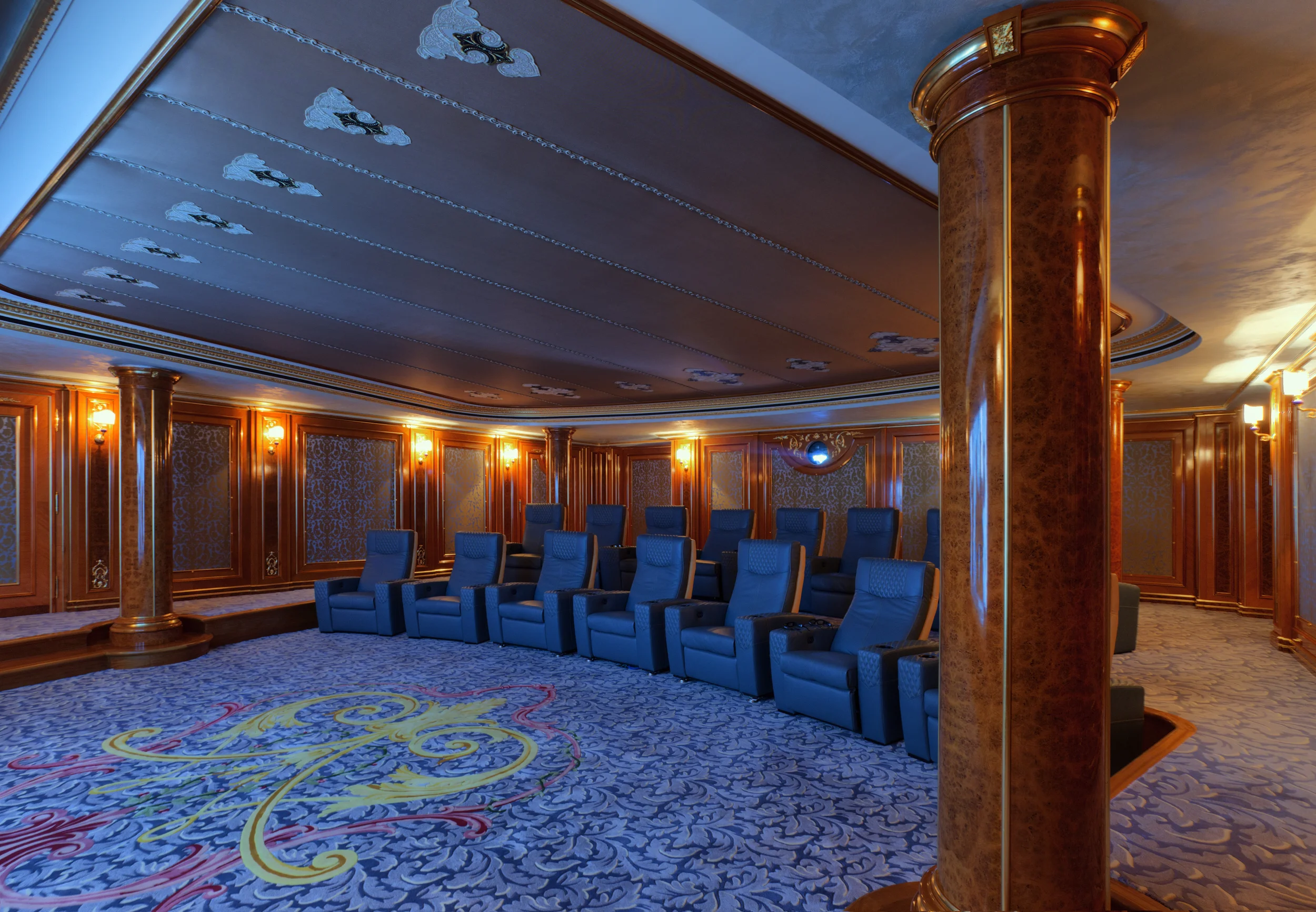
Whole-home audio distribution, home cinema rooms, and multi-zone video systems are standard in homes at this level. A well-designed distributed audio system uses in-ceiling or in-wall speakers across 8–15 zones, with a central matrix amplifier. The planning must happen during the structural phase — running speaker cables, conduit for HDMI/fiber, and positioning back-boxes all require coordination with electrical and HVAC consultants before walls are closed. This is one of the reasons why choosing the right consultants early in the project matters so much.

Health Systems: Acoustics — The Most Underrated Factor in Your Home

Acoustics is arguably the most overlooked system in residential construction — and one of the most impactful. Research published in the World Health Organization’s Environmental Noise Guidelines (2018) links chronic exposure to indoor noise levels above 30 dB during sleep to increased risk of cardiovascular disease, cognitive impairment in children, and chronic stress responses.

In a luxury home, acoustic treatment addresses three distinct challenges:

  • Airborne sound insulation — preventing noise transfer between rooms (especially between bedrooms, mechanical rooms, and entertainment areas)
  • Impact sound insulation — reducing footfall noise from upper floors, which requires specialized underlayment and floating floor assemblies
  • Room acoustics — controlling reverberation time within a room so that conversation is clear and background noise doesn’t accumulate

Most standard construction in Israel uses 20 cm concrete block walls with plaster — achieving roughly 45 dB of sound reduction. A well-designed luxury wall assembly, using concrete with isolated drywall layers and acoustic mineral wool, can achieve 60+ dB — which is the difference between hearing your neighbor’s conversation and hearing nothing at all. This directly determines your sleep quality, your stress levels, and ultimately your health over years of living in the home.

Few builders treat acoustics as a dedicated engineering discipline. At Marshanski Build, acoustic planning is integrated from the schematic design phase, not applied as a patch after construction.

Water Quality: What Comes Out of Your Tap Isn’t What You Think

Municipal water in Israel meets safety standards — but “safe” and “optimal” are not the same thing. Tap water typically contains chlorine (0.1–0.5 mg/L), varying levels of calcium and magnesium (hardness levels of 150–300 mg/L in many regions), and trace amounts of heavy metals from aging infrastructure.

A comprehensive water system in a luxury home typically includes multiple layers:

  • Whole-house filtration — sediment and carbon filters at the main entry point
  • Water softening — ion exchange systems that reduce hardness, protecting fixtures, appliances, and skin
  • Point-of-use reverse osmosis — for drinking water with up to 99% removal of dissolved solids
  • Water quality monitoring — smart sensors that continuously measure TDS (total dissolved solids), pH, and chlorine levels

More advanced systems include Living Water technology — structured water systems that use vortex generators or mineral cartridges to restructure water molecules, claiming to restore the energetic properties of natural spring water. While the scientific evidence on structured water remains debated, the demand among high-end homeowners is growing, and the infrastructure to support these systems must be planned during the plumbing rough-in phase.

The total investment for a multi-stage water system in a 400–800 sqm home ranges from ₪30,000 to ₪120,000, depending on complexity and whether monitoring systems are integrated into the smart home platform.

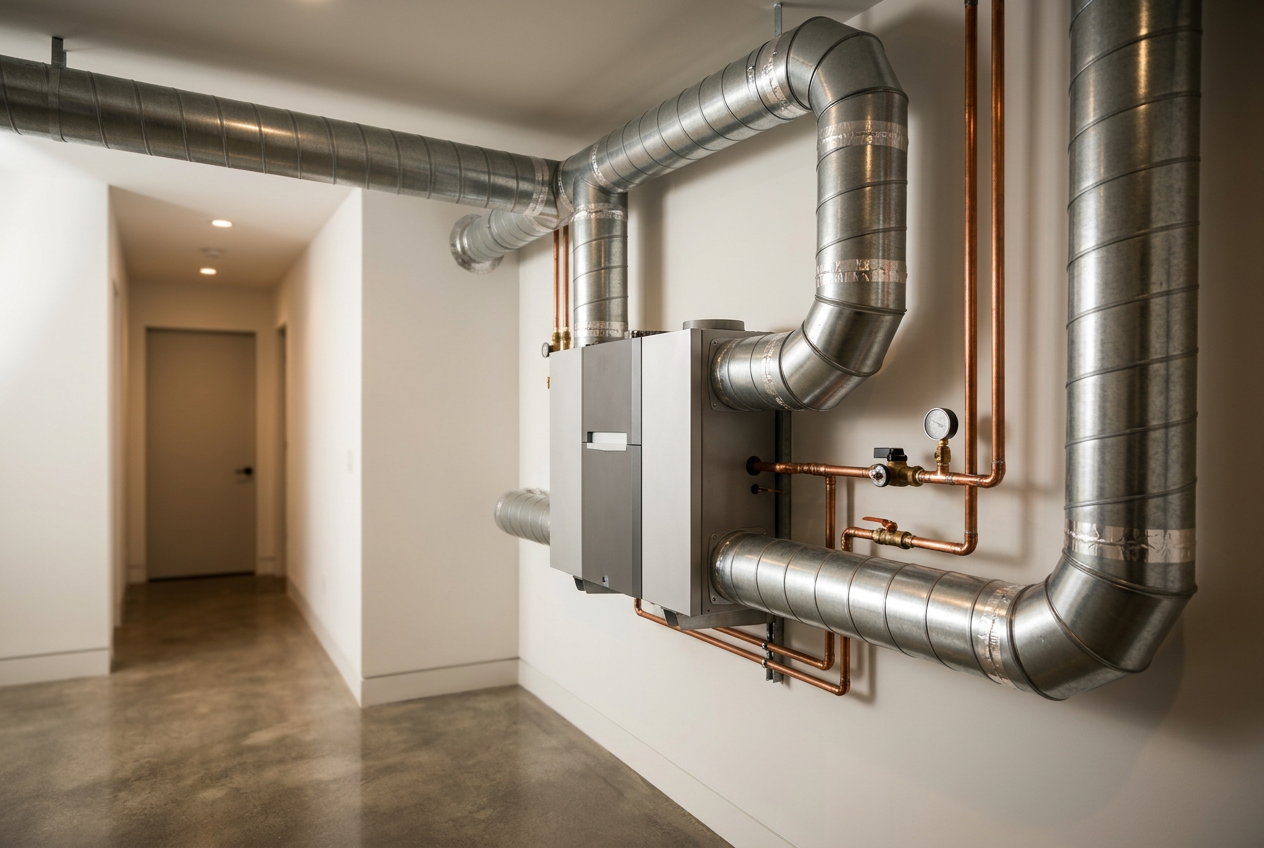
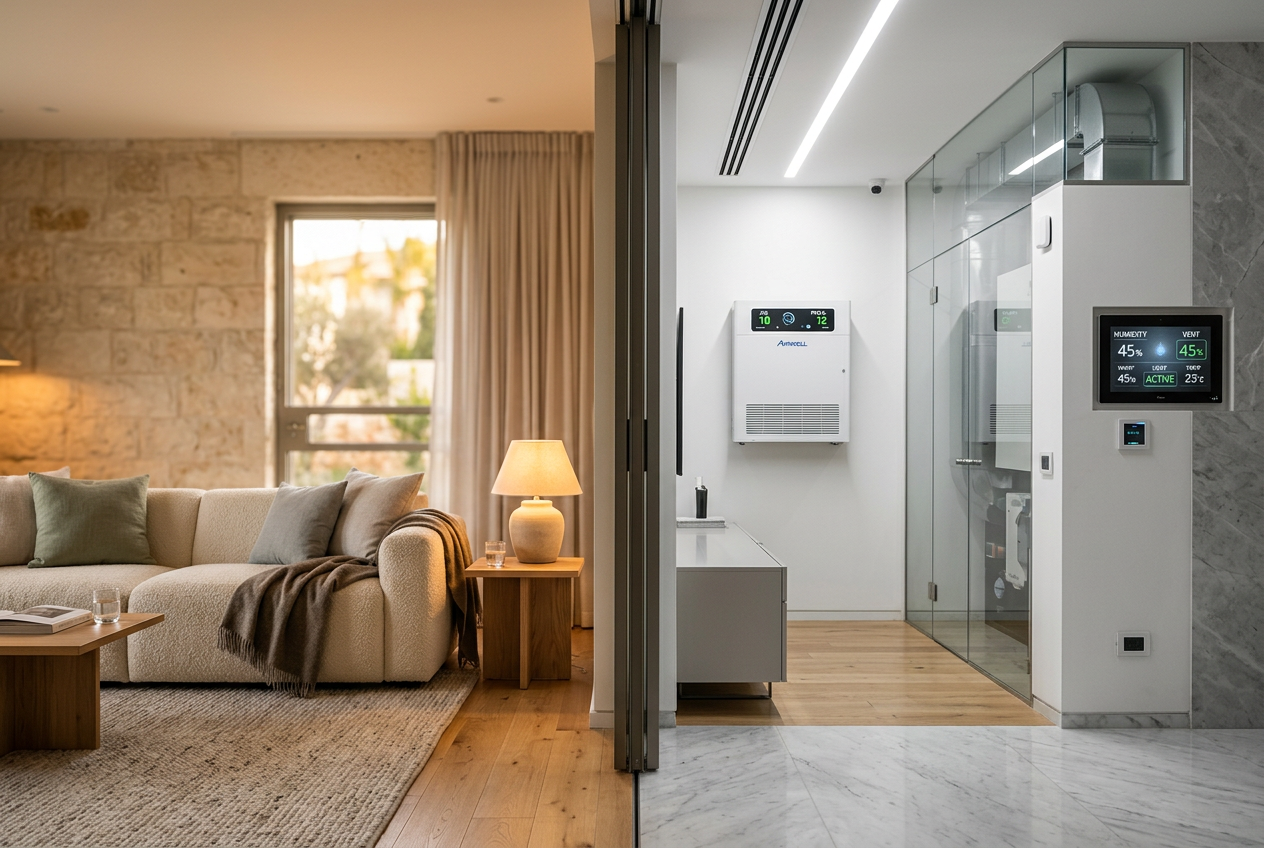
Fresh air ventilation system for luxury homes in Israel

Air Quality: You Spend 90% of Your Time Breathing Indoor Air

According to the EPA, indoor air can be 2–5 times more polluted than outdoor air. In a sealed, well-insulated luxury home — where windows are often triple-glazed and walls are vapor-sealed — this problem intensifies. Without active ventilation, CO₂ levels in a bedroom can exceed 2,000 ppm by morning (the recommended maximum is 1,000 ppm), leading to headaches, poor concentration, and disrupted sleep cycles.

Fresh air systems — also known as ERV (Energy Recovery Ventilation) or HRV (Heat Recovery Ventilation) units — solve this by continuously introducing filtered outdoor air while recovering up to 85% of the heating or cooling energy from the exhaust stream. This means you breathe clean, oxygen-rich air without wasting energy.

Marshanski Build has written extensively about why fresh air systems are the critical feature most Israeli homes don’t have. In every project the company manages, fresh air ducting is coordinated with the HVAC layout during the early design stages — because retrofitting these systems after construction is extremely expensive and architecturally disruptive.

The Sleep Environment: Where All Systems Converge

Your bedroom is where comfort systems and health systems intersect most powerfully. Consider what happens during 7–8 hours of sleep:

  • Acoustics determine whether external noise wakes you during light sleep phases
  • Air quality determines your oxygen saturation and whether you wake up refreshed or groggy
  • Light control — motorized blackout shading and smart lighting scenes ensure complete darkness for melatonin production, then simulate gradual sunrise for natural waking
  • The mattress itself — while not a “building system” in the traditional sense, the sleep surface is a health investment that should be considered during bedroom design (recessed bed platforms, electrical outlets for adjustable bases, and HVAC register placement all affect mattress selection)
  • Climate control — bedroom temperature between 18–20°C is clinically proven to optimize sleep quality, which requires zoned HVAC with independent bedroom control

When these five factors are engineered together — rather than addressed separately — the result is a sleep environment that genuinely improves your health year after year. This kind of integrated thinking is what separates a truly luxurious home from one that merely looks expensive.

luxury master bedroom with motorized blackout shading, recessed lighting set to warm dim, and a minimalist sleep environment showing acoustic wall panels and hidden HVAC registers

Why System Integration Must Happen During Design — Not After

The single biggest mistake in luxury home construction is treating each system as an independent line item. When the acoustic consultant doesn’t coordinate with the HVAC engineer, you get noisy ductwork running through bedroom ceilings. When the water system isn’t planned alongside the smart home, you lose the ability to monitor quality in real time. When fresh air ducting conflicts with audio speaker placement, someone has to compromise — and usually it’s the health system that loses.

Marshanski Build, specializing in luxury residential construction across Israel’s most prestigious neighborhoods, manages this synchronization as a core part of its project methodology. With over 25 years of experience coordinating 40+ building systems simultaneously — from structural waterproofing to home automation — the company’s approach ensures that both comfort and health systems receive equal priority from day one. You can explore the complete list of 40+ systems in luxury home construction to understand the full scope of what goes into a high-end project.

This integration capability — the ability to source specialized subcontractors and suppliers both domestically and internationally, and to synchronize their work into a coherent building — is what defines genuinely premium construction.

Frequently Asked Questions

What is the difference between comfort systems and health systems in a luxury home?

Comfort systems — such as smart home automation, central vacuum, and audio-video distribution — make daily life more convenient and pleasant. Health systems — including acoustics, water purification, fresh air ventilation, and sleep environment engineering — directly protect your physical well-being over time. Both categories require planning during the design phase.

How much does a whole-home water quality system cost in Israel?

A comprehensive water system for a luxury home (400–800 sqm) including whole-house filtration, softening, reverse osmosis, and smart monitoring typically costs between ₪30,000 and ₪120,000, depending on the technology level and smart home integration requirements.

Why is acoustics so important in residential construction?

The WHO links chronic indoor noise above 30 dB during sleep to cardiovascular disease and cognitive impairment. Proper acoustic design — using isolated wall assemblies, impact-sound underlayment, and room treatment — can achieve 60+ dB of sound reduction compared to roughly 45 dB in standard Israeli construction. This directly improves sleep quality and reduces stress.

Can fresh air systems be added after construction is complete?

Technically yes, but it’s extremely expensive and architecturally disruptive. Fresh air (ERV/HRV) systems require dedicated ductwork routed through ceilings and walls, which must be coordinated with HVAC, electrical, and structural systems during the design phase. Retrofitting typically costs 2–3 times more than original installation.

What indoor CO₂ level is considered safe for bedrooms?

The recommended maximum is 1,000 ppm. Without active fresh air ventilation, a sealed bedroom with two occupants can exceed 2,000 ppm by morning — leading to headaches, poor concentration, and disrupted sleep. ERV systems maintain levels below 800 ppm throughout the night.

Build a Home That Protects You — Not Just Impresses You

A luxury home should do more than showcase beautiful materials and impressive spaces. It should actively make you healthier — through the air you breathe, the water you drink, the silence that lets you sleep deeply, and the invisible systems working behind every wall. If you’re planning a high-end residential project and want both comfort and health systems engineered from the start, contact Marshanski Build to discuss how 25 years of luxury construction expertise can be applied to your home.

Building Systems in Luxury Homes: Why High-End Construction Has Become So Complex


Luxury home construction requires the coordination of 15 to 25 separate building systems — from low-voltage smart-home wiring and central HVAC to underfloor heating and pool automation — compared to just 5 or 6 core trades a few decades ago. This dramatic increase in complexity is the single biggest reason high-end residential projects demand specialist contractors, meticulous pre-planning, and significantly larger budgets. Marshanski Build, specializing in building systems in luxury homes across Israel’s most prestigious neighborhoods, manages this complexity daily.

How Building Systems Luxury Homes Require Today Evolved from Simple Construction

Rewind 30 or 40 years and the recipe for building a home was remarkably straightforward: structural frame, plaster, floor tiles, paint, windows, and basic electrical. A general contractor could manage the project with a handful of subcontractors, and the coordination effort was minimal.

Plumbing meant copper or galvanized pipes running to a few fixtures. Electrical work was limited to lighting circuits, outlets, and maybe a phone line. Air conditioning — if it existed at all — was a window unit. There was no category called “low-voltage systems” because there was essentially nothing to integrate.

This simplicity also kept costs predictable. The building envelope itself represented the vast majority of the budget, with finishing materials and MEP (mechanical, electrical, plumbing) accounting for a relatively modest share.

The Explosion of Building Systems in Modern Luxury Homes

A luxury home built today in Israel is essentially a technology platform wrapped in architecture. The number of specialized building systems in luxury homes that need to be embedded inside the walls, floors, and ceilings — before any finishing work begins — is staggering. Here is what a typical high-end project now includes:

High-Voltage Electrical Systems in Luxury Residential Construction

  • Main electrical panel with smart load management
  • Dedicated circuits for EV chargers, pool equipment, elevators
  • Backup generator integration and automatic transfer switches
  • Solar PV array and inverter infrastructure

Low-Voltage and Smart-Home Building Systems

  • Structured cabling (Cat 6A / fiber optic) to every room
  • KNX, Crestron, or Control4 home-automation bus wiring
  • Multi-zone audio and video distribution
  • CCTV, access control, and perimeter security
  • Motorized shading and curtain tracks with integrated controls
  • Intercom and IP-based video door stations

In many luxury projects, the low-voltage cabling alone requires over 8 kilometers of cable running through the structure — all of which must be planned before the first wall is plastered.

Building systems in luxury homes — smart technology and low-voltage integration

HVAC Building Systems: Far Beyond a Simple Air Conditioner

Climate control in a luxury residence is no longer a single split unit on the wall. Modern high-end homes integrate multiple HVAC layers, making HVAC one of the most complex building systems in luxury homes:

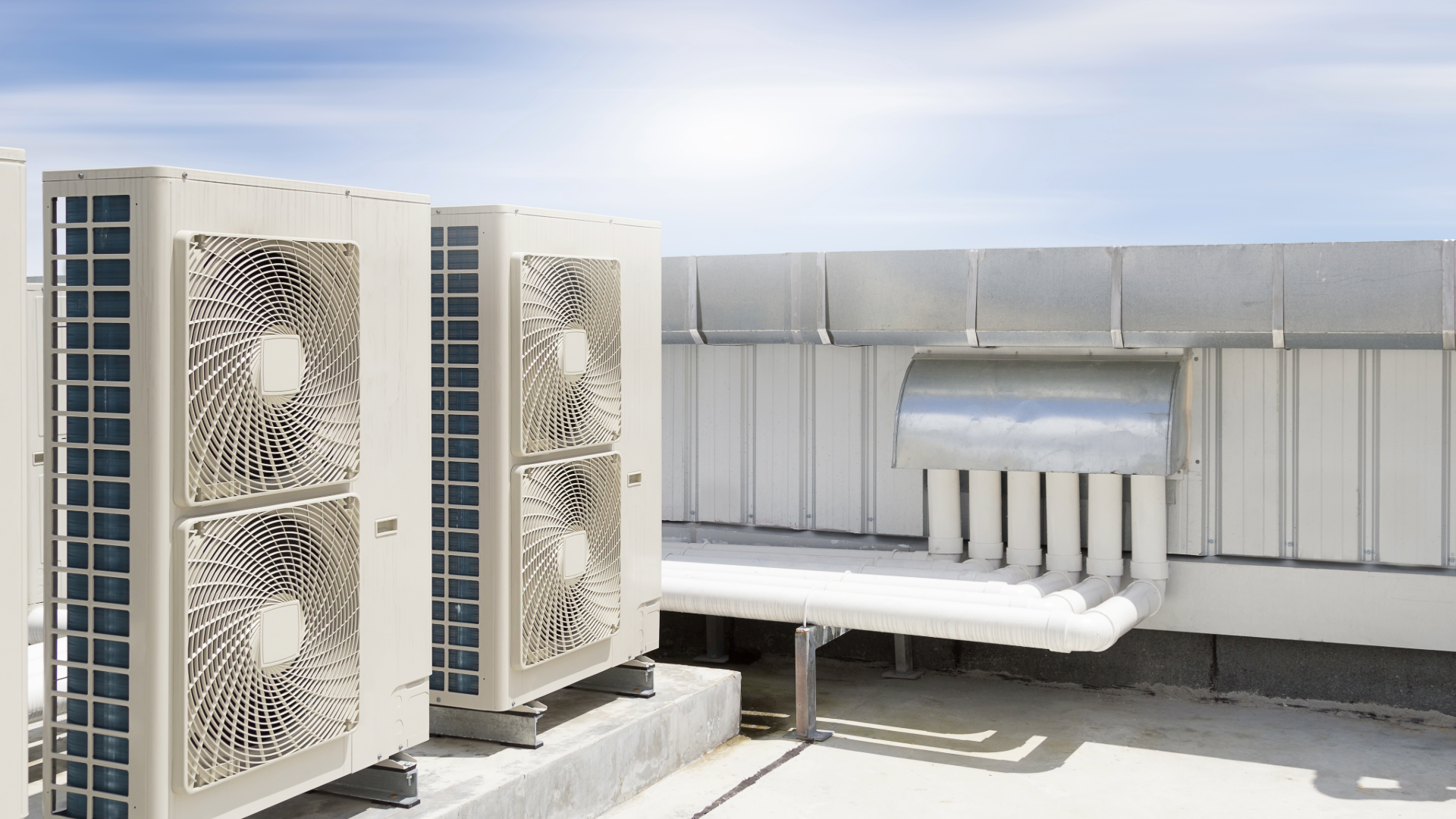
  1. Central air conditioning — VRF or chiller-based systems with concealed ducting, often zoned per room.
  2. Fresh air ventilation (ERV/HRV) — mechanical ventilation with energy recovery to maintain indoor air quality without opening windows.
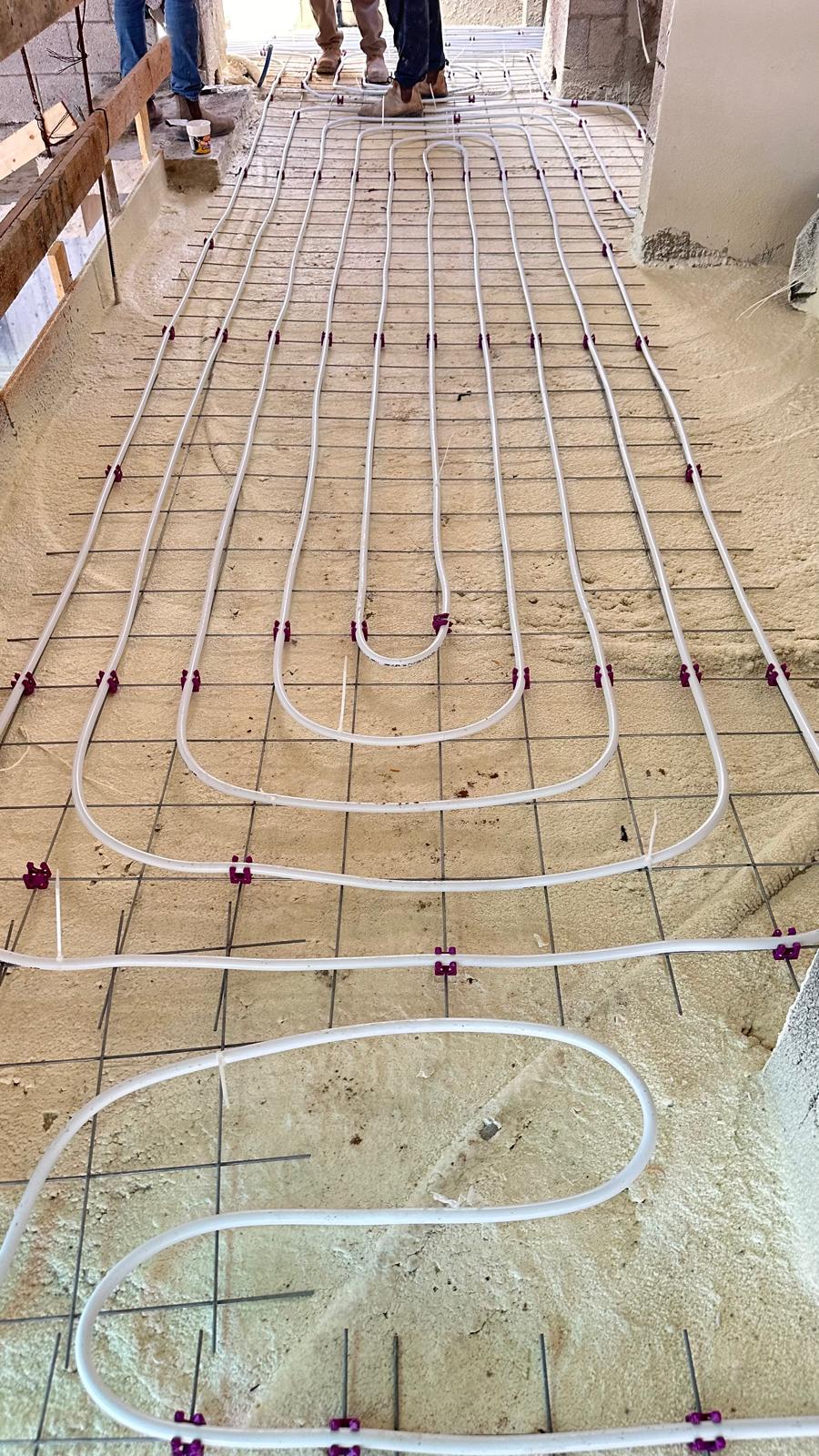
  3. Underfloor heating — hydronic loops embedded in the screed, connected to a dedicated boiler or heat pump, with per-room thermostat control.
  4. Radiant cooling ceilings — increasingly popular in premium builds for silent, draft-free cooling.

Coordinating these four climate layers requires precise planning of pipe routes, duct sizing, control wiring, and ceiling voids — typically consuming 12–18% of the total construction budget in a luxury build.

Underfloor heating system installation — building systems in luxury homes

Luxury Swimming Pool Systems: No Longer Just a Hole with Water

A luxury swimming pool in 2025 is a self-contained engineering project and one of the most demanding building systems in luxury homes. Beyond the structural shell and waterproofing, today’s high-end pools incorporate:

  • Variable-speed pump systems with smart scheduling
  • Salt chlorination or UV/ozone sanitation
  • Heated pool water via heat pump or solar thermal
  • Automated chemical dosing and water-level sensors
  • LED color-changing underwater lighting
  • Infinity edge or perimeter overflow engineering
  • Counter-current swim jets and integrated spa zones
  • Pool cover automation (hidden below the coping)

Each of these features adds its own set of pipes, cables, controllers, and coordination requirements. A fully specified luxury pool can involve over 40 individual penetrations through the pool shell — every one of which must be waterproofed flawlessly.

Why Coordinating Building Systems in Luxury Homes Is the Real Challenge

The difficulty isn’t any single system in isolation. It’s the fact that all of these building systems in luxury homes must coexist within the same walls, floors, and ceiling cavities — and they must be installed in a very specific sequence. Run the underfloor heating loops before the plumber finishes his manifold connections, and you’ll be ripping up screed. Forget to pre-wire the automation bus before plastering, and you’re chasing walls that were already finished.

At Marshanski Build, we typically manage 18–22 specialized subcontractors on a single luxury home project. Each one needs a precise installation window, detailed coordination drawings (often produced in BIM software), and real-time scheduling adjustments. This is a fundamentally different discipline than traditional construction management.

The Cost of Getting Building System Coordination Wrong

Mistakes in system coordination are exponentially more expensive to fix after the fact. Relocating a concealed duct run after ceilings are closed can cost tens of thousands of shekels and delay the project by weeks. This is why experienced luxury builders invest heavily in pre-construction planning — detailed MEP coordination, clash detection, and full system integration maps — before a single pipe is laid.

For a deeper understanding of what drives these budgets, see our detailed cost breakdown and budget planning guide for luxury homes in Israel.

Complex luxury home construction project with multiple integrated building systems

Luxury Home Finishing Materials: Another Layer of System Complexity

Even the finishing stage has grown dramatically in complexity. Where builders once chose between a few tile options and standard paint, the building systems in luxury homes now extend to advanced finishing materials:

  • Book-matched natural stone slabs requiring laser-templating
  • Engineered hardwood with underfloor-heating compatibility
  • Custom millwork with integrated lighting and concealed hardware
  • Floor-to-ceiling glass systems with minimal framing
  • Specialty plaster finishes (Venetian, microcement, tadelakt)

Each material category has its own lead times, installation tolerances, and subcontractor specializations. Coordinating luxury flooring materials like marble, wood, and stone with embedded heating systems and structural requirements is a prime example of this layered complexity.

Building Systems in Luxury Homes: The Numbers Tell the Story

To put the evolution of building systems in luxury homes in perspective:

  • 1980s standard home: ~5 trade categories, ~500 meters of total cabling, 3–4 month build timeline.
  • 2025 luxury home: 20+ trade categories, 8,000+ meters of cabling, 14–24 month build timeline depending on size and specification.
  • Systems budget share: In a luxury project, MEP and technology systems can represent 30–40% of the total build cost — up from roughly 10–15% in a basic build.

Understanding these timelines and cost dynamics is essential for planning. Our timeline and cost comparison for building vs. renovating in Israel provides additional context for homeowners weighing their options.

What to Look for in a Luxury Home Builder Who Manages Complex Systems

Given the complexity of building systems in luxury homes, choosing the right construction partner is arguably the most important decision in the entire project. Key criteria include:

  1. Integrated project management — the builder should coordinate all trades in-house, not leave it to the homeowner.
  2. Pre-construction MEP planning — detailed system coordination before construction starts.
  3. Established subcontractor network — long-term relationships with top-tier specialists in every system category.
  4. Transparent budgeting — clear allocation for every system, so there are no surprises at the integration stage.
  5. Quality control protocols — pressure testing pipes, megger testing cables, and commissioning every system before handover.

Frequently Asked Questions About Building Systems in Luxury Homes

How many building systems does a luxury home typically require?

A modern luxury home in Israel typically integrates 15 to 25 separate building systems, including high-voltage electrical, low-voltage smart-home cabling, HVAC, underfloor heating, fresh air ventilation, security, audio/video, and pool automation. Each system requires its own specialist installer and careful coordination.

What percentage of a luxury home budget goes to MEP and technology systems?

In a high-end residential build, mechanical, electrical, plumbing, and technology systems typically account for 30–40% of the total construction budget. This is roughly double or triple the share these systems represent in standard construction.

Why is pre-construction planning so critical for building systems in luxury homes?

With over 8,000 meters of cabling and dozens of system penetrations running through walls, floors, and ceilings, any coordination error discovered after construction has progressed can cost tens of thousands of shekels to fix. Detailed BIM coordination and clash detection before building begins prevents these costly rework scenarios.

How long does it take to build a luxury home in Israel?

Depending on the size and specification level, a luxury home in Israel typically takes 14 to 24 months to complete — roughly 3 to 6 times longer than a basic build. The extended timeline is driven primarily by system complexity, material lead times, and the need for sequential specialist installations.

Does Marshanski Build handle all building systems in luxury homes?

Marshanski Build manages the full scope of luxury residential construction, coordinating 18–22 specialized subcontractors per project through integrated project management. This includes all MEP systems, smart-home technology, pool construction, and finishing trades — ensuring seamless coordination from foundation to final commissioning.

Build Complex — with the Right Team

The evolution of building systems in luxury homes from a straightforward building exercise to a multi-system integration challenge is irreversible. Every year, new technologies, comfort expectations, and building standards add further layers of complexity. The difference between a successful luxury project and a costly nightmare comes down to one thing: who manages the complexity.

Marshanski Build has the experience, the specialist network, and the project management discipline to deliver high-end homes where every building system works flawlessly — and where you never have to coordinate between 20 subcontractors yourself. Contact us today to discuss your luxury home project and see how we approach system integration from day one.

Building a Luxury Home with Limited Plot Size: Vertical Design Solutions for Small Lots in Israel


A small lot luxury home design in Israel is entirely achievable — and often produces more striking results than building on a sprawling plot. By leveraging vertical construction, smart zoning strategies, and premium materials, homeowners can build 300–500 sqm of luxury living space on plots as small as 250–400 sqm. Marshanski Build, specializing in high-end residential construction across Israel’s most exclusive communities, has refined these vertical design solutions to maximize every square meter without compromising on elegance.

Why Small Lots Dominate Israel’s Luxury Market

Land scarcity is a defining reality of Israeli real estate. In sought-after areas like Kfar Shmaryahu, Herzliya Pituach, and Savyon, average residential plot sizes range from 250 to 500 sqm — significantly smaller than comparable luxury markets in the U.S. or Europe. According to the Israel Land Authority, residential land prices in central Israel rose by over 65% between 2015 and 2024, making efficient use of every plot non-negotiable for luxury homeowners.

This constraint has actually driven architectural innovation. Israeli luxury homes routinely achieve building ratios of 120–180% (total built area relative to plot size) through multi-level construction, underground spaces, and rooftop utilization. The result: compact-footprint homes that feel expansive from the inside.

Luxury home construction by Marshanski Build showcasing vertical design approach

5 Vertical Design Solutions That Maximize Small Lots

1. Multi-Level Open Floor Plans

The most effective strategy for small lot luxury home design in Israel is building upward with 2.5 to 3 stories above ground. Each floor is planned with open-concept layouts — combining kitchen, dining, and living areas — to eliminate wasted corridor space. Double-height ceilings in the main living area (typically 5–6 meters) create a sense of volume that makes the home feel far larger than its footprint suggests.

Split-level designs are particularly popular on Israel’s hilly terrain. Instead of flat floor plates, rooms step up or down by half-levels, visually separating spaces without walls while adding usable square meters to the overall plan.

2. Basement and Underground Levels

Going below grade is standard practice in Israeli luxury construction. A well-designed basement can add 80–150 sqm of premium living space to a small-lot home. Common uses include home theaters, wine cellars, gyms, spa areas, and secure rooms (mamad). Israeli building regulations allow and even encourage underground construction, with many municipalities permitting basement areas that don’t count toward the building ratio.

Marshanski Build incorporates natural light wells, sunken courtyards, and glass walls facing excavated gardens to ensure basements feel like genuine living spaces rather than afterthoughts. Waterproofing and climate control systems are critical — Israeli construction standards require multi-layer waterproofing for below-grade spaces.

3. Rooftop Living Spaces

Rooftops in Israel are more than an afterthought — they’re a full additional floor. A properly designed rooftop level can include an infinity pool, outdoor kitchen, lounge area, and even a guest suite. On a 300 sqm plot, this effectively adds 40–80 sqm of premium outdoor living.

Structural engineering for rooftop pools on small lots requires reinforced concrete framing capable of supporting 15–25 tons of water load. This is where experienced builders make the difference — the structural calculations must be integrated from the earliest design phase.

High-end residential construction detail by Marshanski Build

4. Cantilevered and Setback Architecture

Cantilever construction — where upper floors extend beyond the footprint of lower floors — is a powerful technique for small lot luxury homes. Upper levels can project 1.5–3 meters beyond the ground floor, adding usable interior space while creating covered outdoor areas below. This approach also creates dramatic architectural statements that distinguish the home visually.

Setback designs work in reverse: ground floors occupy the maximum footprint while upper floors step back to create terraces. Both strategies require precise structural engineering but deliver significant gains in livable area.

5. Integrated Indoor-Outdoor Flow

When your plot is limited, borrowing visual space from the outdoors is essential. Floor-to-ceiling glass walls, retractable window systems, and seamless floor transitions between indoor and outdoor areas make compact homes feel borderless. In Israeli luxury construction, it’s common to use the same premium flooring material — whether marble, natural stone, or engineered wood — continuously from interior to exterior, erasing the boundary between inside and out.

Courtyard designs are also highly effective on small lots. A central atrium or internal garden brings light deep into the home’s core while creating a private outdoor retreat that doesn’t depend on perimeter yard space.

Navigating Israeli Building Regulations for Vertical Construction

Israeli municipal building codes (Taba) vary significantly between localities, and understanding these regulations is the foundation of any small lot luxury project. Key factors include:

  • Building ratio (Zchuyot Bniya): Typically 100–180% in residential areas, determining maximum built area relative to plot size.
  • Maximum building height: Usually 9–12 meters for residential zones, equivalent to 2.5–3 stories.
  • Setback requirements: Mandatory distances from property lines, often 3–5 meters on each side, which directly reduce the buildable footprint.
  • Basement exemptions: Underground areas may be partially or fully exempt from building ratio calculations, depending on the municipality.
  • Green building standards (Teken Yarok 5281): Israel’s green building code offers density bonuses in some cases for energy-efficient designs.

Working with a builder who has deep experience with local planning committees is essential. Marshanski Build has completed luxury projects across Kfar Shmaryahu, Savyon, and central Israel, navigating complex permitting processes to maximize what each plot can deliver.

Cost Considerations for Small Lot Luxury Homes

Vertical construction on small lots carries specific cost implications. Per-square-meter construction costs for luxury homes in Israel typically range from ₪12,000 to ₪25,000, with vertical builds trending 10–15% higher than single-story equivalents due to structural reinforcement, elevator shafts, and multi-level MEP (mechanical, electrical, plumbing) systems.

However, the land cost savings are substantial. A 300 sqm plot in Herzliya Pituach costs significantly less than a 700 sqm plot in the same neighborhood — potentially saving millions of shekels that can be redirected into construction quality and finishes. For a detailed breakdown of what to budget, see our guide to the cost of building a luxury home in Israel.

Luxury home project by Marshanski Build in Kfar Shmaryahu

Design Features That Make Small Luxury Homes Feel Grand

Beyond structural strategies, specific design choices amplify the sense of space and luxury in compact homes:

  • Floating staircases: Sculptural staircases with glass balustrades serve as centerpieces while maintaining visual openness between floors.
  • Built-in storage: Custom millwork integrated into walls, under stairs, and within furniture eliminates clutter without consuming floor space.
  • Home elevators: A residential elevator (standard in Israeli luxury homes above 2 floors) adds convenience and future-proofs the design.
  • Smart home systems: Centralized automation for lighting, climate, security, and entertainment reduces the need for physical controls and panel space.
  • Light wells and skylights: Strategic placement of roof openings and light shafts brings natural light to interior rooms and stairwells.

Understanding what makes construction truly luxurious is critical — it’s the quality of execution, material selection, and attention to detail that transforms a compact home into a luxury residence.

Frequently Asked Questions

How many square meters can you build on a small lot in Israel?

On a 300 sqm plot with a 160% building ratio plus basement exemptions, you can realistically build 480–550 sqm of total living space. This includes above-ground floors, basement levels, and permitted rooftop structures.

Is it more expensive to build vertically on a small lot?

Vertical construction typically costs 10–15% more per square meter than single-story builds due to structural reinforcement, elevator installation, and multi-level systems. However, the savings on land acquisition often more than offset this premium.

What is the maximum building height allowed for residential homes in Israel?

Most Israeli residential zones permit 9–12 meters of building height, allowing 2.5 to 3 full stories above ground. Some municipalities grant additional height for architectural features like pitched roofs or rooftop pergolas.

Can basements count toward the total building area in Israel?

In many Israeli municipalities, basement areas are partially or fully exempt from building ratio calculations. This makes underground construction one of the most effective strategies for adding luxury living space on small plots.

How long does it take to build a luxury home on a small lot in Israel?

A typical small-lot luxury home with 2–3 stories and a basement takes 18–24 months from permit approval to completion. The permitting process itself can add 6–12 months depending on the municipality.

Build Your Luxury Home — No Matter the Plot Size

A limited plot doesn’t mean limited ambition. With the right vertical design approach, experienced engineering, and premium execution, a small lot in Israel can become the foundation for a truly extraordinary home. Marshanski Build brings decades of experience in luxury residential construction across Israel’s most prestigious neighborhoods, turning compact plots into architectural landmarks.

Ready to explore what’s possible on your plot? Contact Marshanski Build today for a confidential consultation and discover how vertical design solutions can deliver the luxury home you envision — regardless of lot size.

Essential Consultants for Luxury Construction Projects: The Complete Guide


A luxury construction project in Israel typically requires 8 to 12 specialized consultants — from the architect and structural engineer to niche experts in acoustics, waterproofing, and lighting design. Each consultant prevents costly mistakes, protects your investment, and ensures the finished home meets the exacting standards that separate a premium residence from an ordinary build. Skipping even one critical consultant can lead to rework expenses that reach 15–20% of the total project budget.

Why Luxury Projects Demand a Full Team of Consultants

Standard residential construction can sometimes get by with a smaller team. Luxury builds cannot. When budgets range from ₪8,000 to ₪15,000+ per square meter, the margin for error shrinks dramatically while the complexity of systems, materials, and finishes grows. Every consultant brings domain-specific knowledge that an architect or general contractor simply cannot cover alone.

At Marshanski Build, specializing in luxury private construction across Israel’s most prestigious neighborhoods, we’ve managed dozens of high-end projects where the right consulting team made the difference between a smooth delivery and months of delays. Below, we break down each consultant role, what they contribute, and whether your specific project actually needs them.

The Core Consultants — Every Luxury Project Needs These

1. Architect (אדריכל)

The architect is the creative and technical leader of the project. They translate your vision into buildable plans, manage the permit process with local authorities, and coordinate between all other consultants. For luxury homes, the architect also ensures spatial proportions, natural light flow, and material transitions work harmoniously. Budget roughly 6–10% of total construction cost for full architectural services on a high-end residence.

2. Interior Designer (מעצב פנים)

While the architect designs the shell and spatial layout, the interior designer handles finishes, furnishings, color palettes, and custom millwork. In luxury projects, the interior designer often works in parallel with the architect from day one — not after construction is complete. This collaboration prevents conflicts between structural decisions and interior aesthetics, particularly with elements like recessed lighting channels, built-in cabinetry, and luxury flooring materials such as marble, wood, and natural stone.

3. Structural Engineer (מהנדס קונסטרוקציה)

The structural engineer ensures the building stands safely and meets Israeli seismic codes (Standard IS 413). They calculate load-bearing requirements, design foundations, and specify reinforcement for concrete, steel, or hybrid structures. In luxury construction — where clients often request long cantilevers, large unsupported spans, underground levels, and rooftop pools — the structural engineer’s work becomes significantly more complex. Their fee typically runs 1.5–3% of construction cost.

4. Electrical Consultant (יועץ חשמל)

Luxury homes demand far more electrical capacity than standard residences. Think home automation systems, EV charging stations, server rooms, heated floors, smart shading, security systems, and commercial-grade kitchen appliances — all drawing substantial power. The electrical consultant designs the distribution panels, wiring routes, grounding systems, and backup generator integration. A poorly planned electrical system in a ₪10M+ home is both dangerous and enormously expensive to retrofit.

5. Waterproofing Consultant (יועץ איטום)

Israel’s climate — with intense winter rains followed by long dry periods — puts enormous stress on building envelopes. A waterproofing consultant specifies membrane systems for foundations, roofs, terraces, bathrooms, and below-grade spaces. For luxury homes with underground garages, wine cellars, or subterranean pools, proper waterproofing design is non-negotiable. Remedial waterproofing after construction can cost 5–10 times more than getting it right from the start.

Luxury home construction project managed by Marshanski Build

Specialized Consultants — Project-Dependent but Highly Valuable

6. Lighting Designer (יועץ תאורה)

A lighting consultant is distinct from the electrical consultant. While the electrician ensures power reaches each fixture, the lighting designer creates the atmosphere. They plan layered lighting schemes — ambient, task, accent, and decorative — that highlight architectural features and artwork. For luxury homes, lighting design can involve over 200 individually controlled circuits. This consultant is essential when the home features double-height spaces, art collections, or extensive outdoor entertaining areas.

Do you need one? Yes, for most luxury projects above 300 sqm. The visual impact is transformative.

7. Landscape Architect (אדריכל נוף)

The landscape architect designs outdoor spaces — gardens, driveways, terraces, pools, irrigation systems, and perimeter walls. In upscale areas like Kfar Shmaryahu, Savyon, and Caesarea, the landscape can represent 10–15% of the total project budget. A landscape architect ensures mature trees are preserved, drainage is managed, and outdoor living spaces feel like a natural extension of the home’s interior. They also handle municipal requirements for green area ratios.

8. Plumbing Consultant (יועץ אינסטלציה)

Beyond basic water supply and drainage, luxury homes require sophisticated plumbing for rainwater harvesting systems, pool circulation, multiple water heaters, central vacuum systems, and high-flow fixtures. The plumbing consultant designs pipe sizing, water pressure management, and sewage systems to handle the increased load. This role becomes critical when a home has 4+ bathrooms, an outdoor kitchen, or a spa facility.

9. Acoustics Consultant (יועץ אקוסטיקה)

Home theaters, music rooms, open-plan living areas, and bedrooms adjacent to mechanical rooms all benefit from acoustic engineering. The acoustics consultant specifies wall assemblies, ceiling treatments, floor isolation, and HVAC silencing to meet noise reduction targets. Israeli Standard IS 1004 sets minimum acoustic insulation requirements, but luxury standards typically exceed these by 30–50%.

Do you need one? Essential if you’re building a home cinema, music studio, or if the property is near a road. Recommended for multi-story homes with open atriums.

10. Security Consultant (יועץ מיגון)

In Israel, residential security goes beyond alarm systems. The security consultant designs the mamad (safe room) per Home Front Command specifications, plans CCTV layouts, access control systems, perimeter detection, and integrates everything with the smart home platform. For high-profile clients, this may extend to panic rooms, blast-resistant glazing, and vehicular barriers.

11. Traffic / Parking Consultant (יועץ תנועה)

This consultant is primarily needed when the project involves complex driveway geometry, underground parking with multiple vehicles, or when municipal planning authorities require a traffic study. For a single luxury home on a private plot, a traffic consultant is usually only necessary if the driveway meets a busy road or if the home includes a car elevator or turntable system.

Do you need one? Rarely for private homes, but critical for estates with 4+ car garages or commercial-grade entry systems.

12. Flooring / Tiling Consultant (יועץ ריצופים)

When a luxury home uses imported natural stone, large-format porcelain (120×120 cm or more), or intricate mosaic work, a flooring consultant ensures proper substrate preparation, expansion joints, heating compatibility, and waterproofing integration. They also advise on slip resistance standards for wet areas and pool surrounds. Learn more about the differences between marble, wood, and stone flooring options to understand why expert guidance matters.

How to Decide Which Consultants Your Project Needs

Not every luxury project requires all 12 consultants. The decision depends on three factors:

  1. Project scope: A 250 sqm renovation has different needs than a 600 sqm new build with a basement, pool, and guest house.
  2. Budget: Consultant fees collectively run 12–18% of construction cost on a fully-serviced luxury project. Prioritize based on risk — waterproofing, structural, and electrical are never optional.
  3. Site conditions: A sloped plot in the Carmel needs a geotechnical consultant that a flat plot in Herzliya Pituach may not. Proximity to neighbors affects acoustic and privacy requirements.

Here’s a quick reference table:

  • Always required: Architect, Structural Engineer, Electrical Consultant, Waterproofing Consultant
  • Strongly recommended: Interior Designer, Lighting Designer, Landscape Architect, Plumbing Consultant, Security Consultant
  • Project-dependent: Acoustics Consultant, Traffic Consultant, Flooring Consultant

Understanding the full cost breakdown of building a luxury home in Israel helps you allocate the right budget for each consulting discipline from the very beginning.

The Cost of Skipping a Consultant

We’ve seen it too many times: a homeowner saves ₪20,000 by skipping the waterproofing consultant, then spends ₪200,000 fixing a flooded basement two years later. Or an electrical system designed without a specialist that can’t support the smart home features the client wants, requiring walls to be opened and rewired.

The consulting phase typically represents just 2–4% of total project cost per discipline, but the errors they prevent can easily reach 10–20% of the budget. In luxury construction, where materials are imported and finishes are bespoke, rework is exponentially more expensive than in standard builds.

High-end residential construction detail showing premium materials and expert craftsmanship

How Marshanski Build Manages the Consulting Team

As a luxury construction firm with deep experience across Israel’s premium residential market, Marshanski Build takes responsibility for coordinating all consultants throughout the project lifecycle. We maintain a vetted network of top-tier professionals in every discipline and manage the flow of information between them — ensuring the structural engineer’s specs align with the architect’s vision, the lighting designer’s plans sync with the electrician’s wiring routes, and every detail is resolved on paper before a single shovel hits the ground.

This coordination role is one of the most undervalued aspects of luxury construction management. Without a central point of accountability, consultants work in silos, and conflicts surface on-site — where they cost real money and real time.

Frequently Asked Questions

How many consultants does a luxury home project need in Israel?

Most luxury residential projects in Israel engage between 8 and 12 consultants. The exact number depends on the home’s size, site conditions, and specific features like pools, basements, or home theaters. At minimum, you’ll need an architect, structural engineer, electrical consultant, and waterproofing specialist.

What is the difference between an architect and an interior designer?

The architect designs the building’s form, spatial layout, and structural concept, and manages the permit process. The interior designer focuses on finishes, materials, furnishings, color schemes, and custom details inside the home. On luxury projects, both should be involved from the earliest planning stage to ensure seamless integration.

How much do consultants cost on a luxury construction project?

Consultant fees collectively range from 12–18% of total construction cost for a fully serviced luxury project. Individual fees vary: architects charge 6–10%, structural engineers 1.5–3%, and specialized consultants (lighting, acoustics, waterproofing) typically charge fixed fees ranging from ₪15,000 to ₪60,000 depending on project complexity.

Can the general contractor replace some consultants?

An experienced luxury contractor like Marshanski Build can coordinate all consultants and catch conflicts between disciplines, but cannot replace the licensed expertise each consultant provides. Israeli law requires licensed professionals for structural engineering and security room design. Attempting to cut corners by relying solely on the contractor increases risk significantly.

When should I hire consultants — before or after buying the land?

Ideally, engage an architect and structural engineer before finalizing a land purchase. They can assess zoning rights, buildable area, soil conditions, and potential obstacles that affect both design possibilities and budget. This pre-purchase due diligence can save hundreds of thousands of shekels.

Start Your Project with the Right Team

Choosing the right consultants — and knowing when each one is truly needed — is one of the most important decisions you’ll make on a luxury construction project. If you’re planning a high-end build or major renovation in Israel, Marshanski Build can guide you through assembling the perfect team for your specific project scope and budget. Contact us for a personal consultation and let’s build something extraordinary together.

Exterior Wall Cross-Section in Luxury Homes: Why Concrete Beats Block Construction


The ideal exterior wall cross-section in a luxury home consists of three layers: an outer finish (plaster, Dekton, or tile cladding), a solid 20–30 cm reinforced concrete structural wall, and an interior lining of double-layer chromatic gypsum board. This all-concrete approach eliminates thermal bridges, removes cold joints between materials, and creates a monolithic structure that outperforms traditional block-and-column construction in every measurable way. Amit Marshanski, who has built Israel’s most expensive private residences over 25 years — including a 6,000 sqm Hermitage-style mansion — considers full concrete construction non-negotiable for any home built at ₪25,000+ per square meter.

The Question Every Luxury Client Asks: Blocks or Concrete?

It comes up in nearly every initial consultation. A client planning a high-end private home asks: “Can we use concrete block masonry for the exterior walls?” The question is understandable — for decades, Israeli construction followed a standard formula: concrete columns and floor slabs for the skeleton, with hollow block infill for exterior and partition walls. It was cheaper. It was familiar. And for standard residential construction, it was adequate.

But adequate is the enemy of exceptional. When you’re investing ₪25,000 to ₪50,000 per square meter on a luxury residence, the wall assembly isn’t just a separator between inside and outside — it’s the primary envelope protecting tens of millions of shekels in finishes, systems, and comfort. The wrong wall section creates problems that no amount of expensive marble or smart-home technology can fix.

technical cross-section diagram of luxury exterior wall showing three layers — outer plaster/cladding, reinforced concrete core 20-30cm, and inner double-layer gypsum board with insulation

Why Full Concrete Construction Is the Only Right Choice

Marshanski Build’s recommendation is unequivocal: build the entire structure — columns, slabs, and all exterior walls — from reinforced concrete. Yes, it costs more. Concrete walls run approximately 15–25% higher than block infill walls when you factor in formwork, reinforcement, and pouring labor. But the benefits are transformational.

A Monolithic, Unified Structure

When exterior walls are poured as part of the concrete skeleton, the entire building becomes one continuous structural unit. There are no joints between columns and block infill — joints that are notorious for cracking, moisture penetration, and structural movement over time. A monolithic concrete structure distributes loads evenly, resists seismic forces better, and maintains its integrity for generations.

Elimination of Thermal Bridges

Thermal bridges — points where heat or cold transfers through the building envelope — are the silent killers of building performance. In traditional block construction, every junction between a concrete column and the adjacent blockwork creates a thermal bridge. These bridges cause condensation, mold growth, energy waste, and uncomfortable cold spots on interior wall surfaces during winter. A continuous concrete wall, properly insulated from the inside, eliminates these weak points entirely.

No “Tziporim” (Cold Joints)

In Hebrew construction terminology, “tziporim” refers to the gaps and imperfect bonds that form between dissimilar materials — typically where block masonry meets structural concrete. These joints are inherently weaker than either material alone. Over 10–20 years, they become pathways for water infiltration, air leakage, and cracking. In luxury construction, where facade finishes alone can cost ₪2,000–5,000 per sqm, a crack propagating from a cold joint is an expensive disaster.

Luxury home exterior built by Marshanski Build showing high-quality concrete construction and premium cladding

The Recommended Wall Cross-Section: Layer by Layer

Based on 25 years of building Israel’s most demanding residential projects, here is the exterior wall assembly Marshanski Build specifies for luxury homes:

  1. Exterior Finish (outermost layer): This is the visible face of the building. Options include high-quality plaster systems, Dekton sintered stone panels, porcelain tile cladding, natural stone, or exposed architectural concrete. The choice depends on the architectural design, but the substrate remains the same regardless.
  2. Structural Concrete Wall (core): A 20–30 cm reinforced concrete wall, with thickness determined by the structural engineer based on loads, spans, and building height. This is the backbone of the wall — providing structure, mass, and acoustic separation simultaneously.
  3. Interior Gypsum Lining (innermost layer): Double-layer, double-chromatic gypsum board mounted on a metal stud framework with insulation in the cavity. This layer provides thermal insulation, conceals electrical and communication conduits, creates a perfectly flat surface for interior finishes, and adds an additional moisture barrier.

This three-layer system delivers thermal performance (U-values well below Israeli code requirements), acoustic isolation exceeding 55 dB STC, and a service life measured in many decades rather than years.

The Interior Gypsum Layer: More Than Just a Finish

Many clients question the gypsum board lining — why not simply plaster the interior face of the concrete wall? The answer involves both performance and practicality.

The double-layer gypsum system creates a cavity — typically 5–10 cm deep — that serves multiple critical functions. First, it houses the dozens of building systems that run through walls in a modern luxury home: electrical wiring, low-voltage communication cables, smart-home bus wiring, central vacuum piping, and sometimes even hydronic heating lines. Running these through a gypsum cavity is cleaner and more maintainable than chasing channels into concrete.

Second, the insulation within the cavity (typically mineral wool or XPS board) provides the primary thermal break. Concrete is an excellent structural material but a mediocre insulator. The insulated gypsum layer transforms the wall from a thermal liability into a high-performance envelope.

Third, double-layer gypsum is more dimensionally stable and impact-resistant than single-layer. In a home where interior wall finishes might include Venetian plaster at ₪400–800 per sqm or imported wallcoverings, the substrate needs to be perfectly stable.

What About Exposed Concrete Interiors?

Modern architectural design frequently calls for exposed concrete walls inside the home — the raw, honest aesthetic of board-formed or polished concrete. In these cases, the question becomes simpler: if the concrete itself is the finish, there’s no debate about whether to use blocks. You need poured concrete by definition.

But even in homes with predominantly exposed concrete interiors, not every wall should be left bare. Perimeter walls facing exterior conditions still benefit from the insulated gypsum system on certain elevations, particularly north-facing walls that receive no solar gain. The architect and builder must collaborate to determine which walls are expressed as concrete and which receive the full insulated assembly — it’s a design and engineering decision that requires careful coordination between architect and contractor.

Long-Term Thinking: Why This Matters for Maintenance

One of Marshanski Build’s core principles — and a key differentiator from competitors — is designing and building with long-term maintenance in mind. A concrete wall assembly pays dividends over the life of the building in ways that block construction simply cannot match.

Consider waterproofing: a monolithic concrete wall has no mortar joints between blocks that can deteriorate. It has no micro-cracks at dissimilar material junctions. When properly waterproofed externally (with membrane systems or cementitious coatings), a concrete wall can remain water-tight for 50+ years with minimal maintenance. Block walls, by contrast, rely on continuous mortar joints and plaster coats that inevitably develop hairline cracks — particularly in Israel’s climate, where daily temperature swings of 15–20°C create constant thermal expansion and contraction.

This long-term perspective extends to every detail. At Marshanski Build, the waterproofing and finishing details applied to luxury projects are among the best available globally, selected through decades of experience building Israel’s most demanding residences.

Cost Perspective: The Investment vs. the Return

The additional cost of full concrete exterior walls over block infill typically adds ₪800–1,500 per linear meter of wall, depending on wall height and thickness. For a 400 sqm luxury home with approximately 120 linear meters of exterior wall perimeter, that translates to roughly ₪100,000–180,000 in additional structural cost.

In a project with a total construction budget of ₪10–20 million (at ₪25,000–50,000/sqm), this premium represents less than 1–2% of total project cost. It’s a fraction of what clients spend on kitchen cabinetry alone. Yet it affects every square centimeter of the building’s performance envelope for the entire life of the structure.

Frequently Asked Questions

Can you build a luxury home with concrete blocks instead of poured concrete walls?

Technically yes, but it’s not recommended. Block infill walls create thermal bridges, cold joints (“tziporim”), and material discontinuities that compromise insulation, waterproofing, and long-term durability. For homes built at ₪25,000+ per sqm, the additional cost of full concrete construction is marginal — typically under 2% of total project cost.

How thick should exterior concrete walls be in a luxury home?

Exterior concrete walls are typically 20–30 cm thick, as determined by the structural engineer. The exact dimension depends on building height, span distances, seismic requirements, and load calculations. Most single-story luxury homes use 20 cm walls, while multi-story structures may require 25–30 cm.

Why use double-layer gypsum board instead of plastering directly on concrete?

Double-layer gypsum board creates a service cavity for electrical, data, and smart-home wiring; houses thermal insulation that dramatically improves energy performance; and provides a perfectly flat, stable substrate for high-end interior finishes. Direct plaster on concrete offers none of these benefits.

What exterior cladding options work best over concrete walls?

The most common options for luxury homes in Israel include: quality plaster systems (acrylic or silicone-based), Dekton sintered stone panels, large-format porcelain tiles, natural stone (limestone, granite, or marble), and exposed architectural concrete. The concrete substrate accommodates all of these equally well.

Does full concrete construction improve the home’s resale value?

Yes. Concrete construction is recognized by property assessors and high-end buyers as a superior building method. It offers better structural integrity, lower maintenance costs, superior acoustic and thermal performance, and a significantly longer service life — all factors that support premium valuations.

The Bottom Line

Building luxury means making decisions that prioritize performance, longevity, and quality over short-term savings. The exterior wall cross-section is one of the most consequential decisions in any residential project — it determines how the building performs thermally, acoustically, and structurally for decades to come. Full concrete construction with proper insulated gypsum lining isn’t just better; for luxury homes, it’s the only approach that makes sense.

Planning a luxury home in Israel? Contact Marshanski Build to discuss your project’s structural approach, wall assemblies, and the construction details that separate truly exceptional homes from ordinary ones. With 25 years of experience building Israel’s finest residences, Amit Marshanski and his team bring unmatched expertise to every detail — from foundation to finish.

Why the Kitchen Is the Most Important Room in Your Home — and How to Get It Right


A luxury kitchen is the most important functional space in any home — it’s used at least three times a day and serves as the operational and social heart of the house. Designing a luxury kitchen properly means making four critical decisions: its placement within the floor plan, the manufacturer you choose, the style and materials — and above all — the hardware, which is what determines whether your kitchen will last 5 years or 30. At Marshanski Build, specialists in the highest-level private construction in Israel’s most prestigious neighborhoods, we treat luxury kitchen design as the very first cornerstone of every custom building project.

Luxury Kitchen Placement: Where It Sits Changes Everything

Before choosing cabinet colors or countertop stone, the most significant decision regarding a luxury kitchen is where it’s located within the home. A luxury kitchen should be positioned in relation to three elements: the main living area, a dedicated pantry, and ideally — a breakfast terrace that extends the morning routine outdoors.

In our projects in Kfar Shmaryahu, Savyon, and Herzliya Pituach, we typically allocate 25–40 sqm to the luxury kitchen zone alone, excluding the adjacent pantry or outdoor dining area. That’s roughly double the standard 12–18 sqm found in typical Israeli apartments. The extra space isn’t luxury for luxury’s sake — it’s required to create proper work triangles, allow two cooks to work simultaneously, and integrate a large island that doubles as an everyday eating area.

The Pantry Connection

A pantry adjacent to the luxury kitchen is no longer a matter of indulgence in high-end homes — it’s a necessity. It keeps the kitchen looking clean by concealing small appliances, bulk storage, and items not in daily use. The pantry door should be positioned so it’s not visible from the main living space — a detail that requires coordination between the architect and builder from day one.

The Breakfast Terrace

Connecting the luxury kitchen to an outdoor breakfast terrace through fully opening glass doors fundamentally transforms the morning routine. In Israel’s climate, such a terrace is usable 9–10 months of the year. The transition between indoor and outdoor flooring should be seamless and flush — a topic we cover in depth in our guide to luxury flooring options in Israel.

Kitchen Company vs. Private Carpenter: The Definitive Answer

One of the most common debates among homeowners building a luxury kitchen is whether to order it from a professional kitchen company or a private carpenter. The answer is unequivocal: go with a kitchen company.

The reason is simple. Kitchen companies work with precision CNC machines, in controlled manufacturing environments with standardized quality control processes. A private carpenter — no matter how skilled — works with hand tools and improvisation. Tolerances in luxury kitchen manufacturing are measured in fractions of a millimeter. Doors must be perfectly aligned. Soft-close mechanisms require precise installation. Integrated appliances demand exact cutouts that match manufacturer specifications down to the decimal point.

Choosing the Right Kitchen Company for Your Luxury Kitchen

Not all kitchen companies are equal. Each manufacturer has distinct specializations and market positioning:

  • German manufacturers (e.g., Poggenpohl, SieMatic, Leicht) — known for engineering precision, modular systems, and restrained European aesthetics. Price range in Israel: ₪250,000–₪1,500,000+ for a complete luxury kitchen.
  • Italian manufacturers (e.g., Boffi, Dada, Poliform) — excel in bold design, lacquer finishes, and sculptural island compositions. Typically 15%–25% more expensive than their German counterparts.
  • Premium Israeli manufacturers — offer strong value, shorter lead times (8–12 weeks vs. 16–24 weeks for European imports), and local service. Price range: ₪120,000–₪300,000.

The choice should align with the home’s overall architectural language. A minimalist concrete-and-glass villa demands a different luxury kitchen character than a Mediterranean stone estate. This is part of what separates truly luxurious construction from standard building.

Kitchen Hardware: The Hidden Factor That Determines a Luxury Kitchen’s Lifespan

If there’s one element homeowners consistently undervalue, it’s kitchen hardware — the hinges, drawer runners, lift mechanisms, pull-out systems, and internal organizers that make up the mechanical skeleton of a luxury kitchen. It’s the hardware that determines whether the kitchen feels luxurious on day one and still feels luxurious in year twenty.

A well-built luxury kitchen should last 20 to 30 years without structural replacement. That lifespan depends almost entirely on hardware quality. The industry standard is set by brands like Blum (Austria) and Hettich (Germany), whose mechanisms are tested for 80,000+ opening cycles — equivalent to approximately 40 years of daily use.

What to Demand in Your Luxury Kitchen Hardware

  1. Soft-close hinges on every door — this isn’t just a comfort feature; it prevents the micro-impacts that loosen cabinet joints over time.
  2. Full-extension drawer runners — drawers should pull out to 100% of their depth so nothing gets lost in the back. Look for runners rated for 40–65 kg loads.
  3. Lift mechanisms for upper cabinets — systems like Blum’s AVENTOS allow upper cabinet doors to open upward and stay open, providing unobstructed access.
  4. Internal drawer organizers — factory-fitted dividers for cutlery, spices, and utensils keep the luxury kitchen functional for decades, not just the first week.
  5. Integrated LED lighting — under-cabinet and in-drawer lighting isn’t decorative. It’s functional, especially for upper cabinets and deep pantry shelves.

Saving ₪10,000–₪20,000 on hardware in a luxury kitchen that costs ₪200,000+ is one of the most common — and most regrettable — decisions homeowners make.

Planning the Luxury Kitchen as Part of the Whole Home

The luxury kitchen doesn’t exist in isolation. Its electrical infrastructure (dedicated circuits for ovens, induction cooktops, and refrigerators), plumbing (hot and cold water supply, drainage lines, gas connections), and ventilation (range hoods rated at 800–1,200 m³/h for serious cooking) — all of these must be planned during the structural phase of construction, not after the walls are already up.

At Marshanski Build, luxury kitchen coordination begins at the schematic design stage. We work directly with the kitchen manufacturer’s technical team to ensure that wall reinforcements, electrical points, water points, and gas lines are positioned exactly where the final kitchen design requires them. This prevents the costly “reopening the wall” problem that plagues projects where the kitchen is treated as an afterthought.

For homeowners weighing whether to build new or renovate, this integration advantage is a significant factor. We detail the full comparison in our guide to timeline and cost comparison between new construction and renovation.

Luxury Kitchen Countertops: Matching Form to Function

The countertop is the most visible surface of the luxury kitchen and also the hardest working. The three dominant choices in luxury kitchens in Israel are:

  • Natural stone (marble, granite) — offers unmatched aesthetic depth but requires periodic sealing. Marble stains if not properly maintained. Granite is more forgiving.
  • Engineered quartz (Caesarstone, Silestone) — extremely durable, non-porous, available in uniform colors. The most popular choice for families, with prices starting from ₪1,200–₪2,500 per running meter installed.
  • Dekton / Neolith (sintered stone) — virtually indestructible, heat-resistant, UV-stable. Ideal for indoor-outdoor luxury kitchens. Premium pricing: ₪2,000–₪4,000 per running meter.

The right choice depends on cooking habits, aesthetic goals, and maintenance willingness. A serious home cook who places hot pans directly on the surface needs Dekton. A homeowner who prioritizes the veining of natural marble accepts the maintenance trade-off.

Luxury Kitchen Design Trends in Israel for 2025

The world of luxury kitchen design in Israel is evolving rapidly. The key trends shaping luxury kitchens in 2025 include:

  • Handleless cabinets — push-to-open mechanisms and recessed grip profiles create smooth, continuous surfaces that define the modern luxury kitchen aesthetic.
  • Integrated appliance columns — ovens, steam ovens, coffee machines, and wine coolers concealed behind uniform panel fronts for a seamless look.
  • Slim-profile countertops — 12mm Dekton and Neolith slabs replacing the traditional 30mm thickness for a more architectural, contemporary appearance.
  • Hidden kitchens — pocket door systems that allow the entire luxury kitchen to disappear behind cabinetry when not in use, popular in open-plan living layouts.
  • Smart kitchen technology — connected appliances, automated lighting, and voice-controlled ventilation systems integrated into the kitchen design from the planning stage.

Frequently Asked Questions About Luxury Kitchens

How much does a luxury kitchen cost in Israel?

A high-end luxury kitchen in Israel typically ranges from ₪350,000 to ₪600,000+, depending on the manufacturer, materials, and appliance package. European imports (German or Italian) sit at the upper end, while premium Israeli manufacturers offer strong quality in the ₪120,000–₪300,000 range.

Should I choose a kitchen company or a private carpenter for a luxury kitchen?

Always choose a professional kitchen company for your luxury kitchen. Factory-level CNC precision, standardized quality control, and tested hardware integration are impossible to replicate in a carpentry workshop. The difference becomes apparent within 3–5 years of daily use.

How long should a luxury kitchen last?

A properly built luxury kitchen with quality hardware (Blum, Hettich) should last 20 to 30 years without structural replacement. Premium hardware is tested for 80,000+ opening cycles, equivalent to approximately 40 years of daily use.

What is the best countertop material for a luxury kitchen in Israel?

Engineered quartz is the most popular overall choice for durability and low maintenance in a luxury kitchen. Dekton or Neolith sintered stone is ideal for homes with indoor-outdoor kitchens or serious cooks who place hot pans directly on the surface. Natural marble offers unmatched beauty but requires periodic sealing and careful use.

When should you start planning a luxury kitchen in new construction?

Luxury kitchen planning should begin at the schematic design stage — before structural walls are built. Electrical circuits, plumbing lines, gas connections, and wall reinforcements all need to be coordinated with the kitchen manufacturer’s technical specifications to avoid costly rework later.

What are the best luxury kitchen brands available in Israel?

The leading luxury kitchen brands available in Israel include German manufacturers like Poggenpohl, SieMatic, and Leicht, Italian brands like Boffi, Dada, and Poliform, and several premium Israeli manufacturers. Each has distinct advantages in design language, pricing, and lead times.

Build Your Luxury Kitchen Right — From Day One

The luxury kitchen is where a home’s design aspirations meet everyday reality. It deserves the same engineering precision and material quality as the structure itself. Marshanski Build integrates luxury kitchen planning into every high-end construction project from the earliest design stage, coordinating directly with leading kitchen manufacturers to deliver spaces that perform and look exceptional for decades. Ready to start planning the most important room in your home? Contact Amit Marshanski, Construction Company for a consultation.