

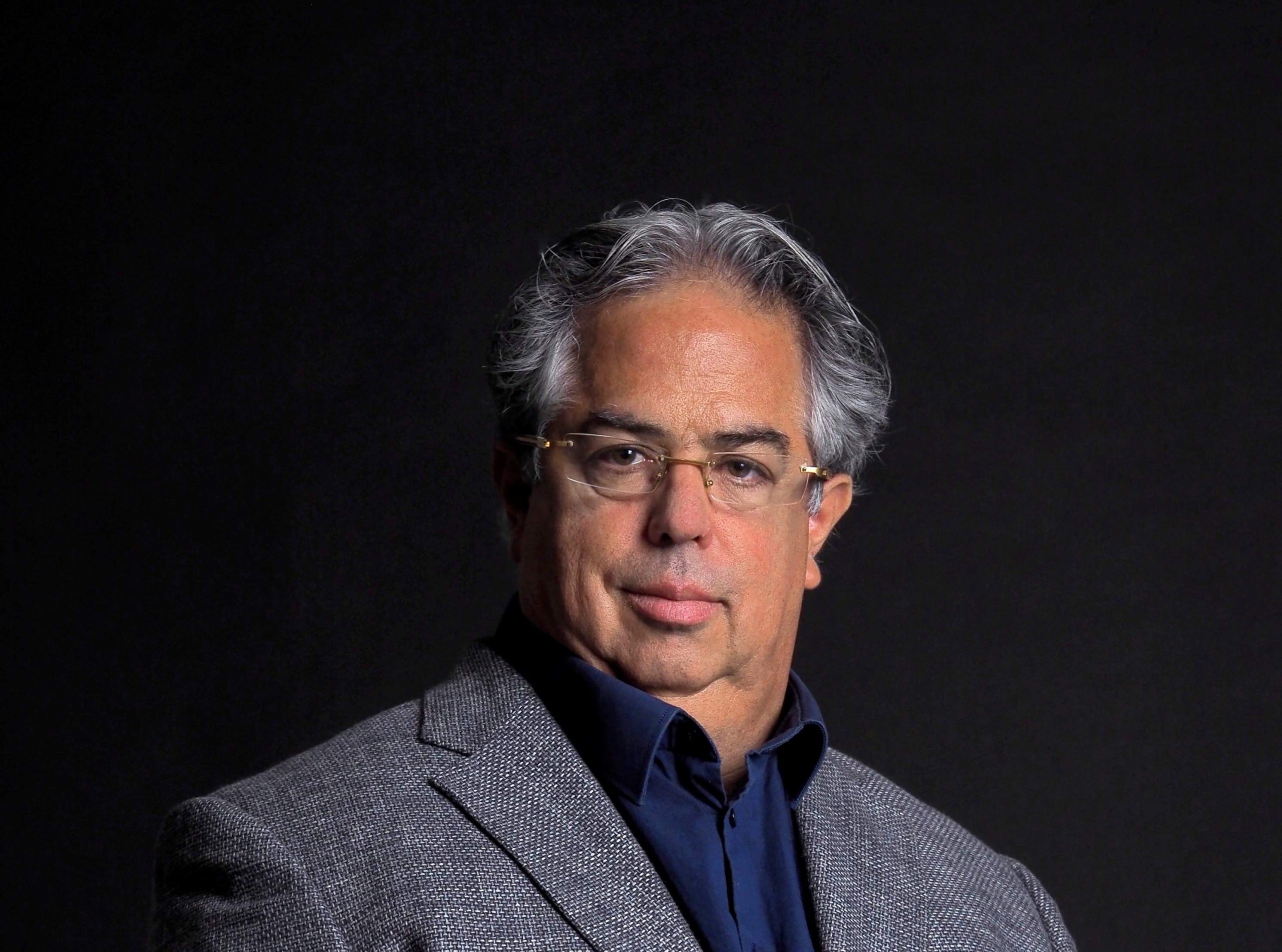
Building a home in Israel from abroad is a complex process that requires meticulous planning, a solid understanding of Israeli regulations, and a seasoned contractor capable of managing a full construction project for a client thousands of kilometers away. Marshanski Build, led by Amit Marshanski with 25 years of experience constructing Israel’s most prestigious luxury homes — including the country’s largest private residence at 6,000 sqm — guides overseas property owners through every stage of the project, from initial planning to key handover.
Why Overseas Property Owners Choose to Build in Israel
Israel’s real estate market has shown consistent appreciation in property values over the past several decades. Building a private home — rather than purchasing an existing apartment — gives you full control over construction quality, design, and customization to your family’s specific needs. For overseas investors, constructing a luxury property in Israel is both a smart financial investment and the creation of a home that awaits them on every visit.
The most sought-after areas for private home construction among overseas residents include Kfar Shmaryahu, Herzliya Pituach, Caesarea, Savyon, and premium neighborhoods in Jerusalem and Tel Aviv. Construction costs in these areas start at NIS 25,000 per sqm and upward, depending on the level of finishes and integrated systems.
The Key Challenges of Building a Home Remotely
1. Time Zone Gaps and Communication
Managing a construction project demands daily decision-making. When the client is based in New York, London, or Paris, any delay in communication can translate directly into construction delays. An experienced company will establish a structured weekly reporting system — including photographic documentation, progress reports, and regular video conferences.
2. Israeli Regulation and Bureaucracy
The building permit process in Israel takes an average of 12–18 months, and sometimes longer. For overseas residents, additional documents are required: a notarized power of attorney, tax authority approvals, and sometimes the opening of a dedicated Israeli bank account for the project. Without professional guidance, the bureaucratic process alone can cause months of delays.
3. Remote Quality Control
In luxury construction, the small details define the outcome. Waterproofing, finishing, system connections — all require close supervision. When the client isn’t on-site, they need absolute trust in whoever is managing on their behalf. This is precisely why selecting a contractor with a proven reputation is the most critical step in the process.

The Process: From Decision to Key Handover
Step 1: Land Selection and Preliminary Checks
Before construction begins, you must verify the plot is suitable. Checking the local building plan (Taba), building rights, soil type, and existing infrastructure — all of these affect project feasibility and cost. Overseas property owners need an Israeli real estate attorney from this very first stage.
Step 2: Architectural and Engineering Design
The design phase includes selecting an architect, structural engineer, and additional professional consultants. In luxury construction, the number of consultants can reach 15 or more — from waterproofing specialists to smart home system planners. For more details on the required professionals, see our guide on essential consultants for luxury construction projects.
Step 3: Obtaining a Building Permit
The permit application includes detailed plans, expert opinions, and approvals from various authorities (fire department, health ministry, electric company, and more). For overseas residents, a power of attorney granted to the lawyer and contractor enables managing the process without physical presence.
Step 4: Construction and Execution
The execution phase is the longest and most complex — between 18 and 36 months for a luxury home. A residence of 400–600 sqm includes dozens of systems that must work in perfect synchronization: underfloor heating, ventilation, air conditioning, smart electrical systems, security, and more. The full system breakdown is detailed in our post on 40+ systems in luxury home construction.
Step 5: Supervision and Quality Control
Marshanski Build employs a unique project management methodology focused on building quality and long-term building performance. Every construction stage is documented, inspected, and approved before proceeding to the next. Waterproofing and finishing details meet the highest global standards — with long-term thinking about maintenance and building preservation for decades to come.
Financial and Tax Considerations for Overseas Residents
Building a home in Israel as a non-resident raises complex tax questions that require professional handling:
- Purchase Tax (Mas Rechisha): Non-residents purchasing property in Israel pay a purchase tax of 8% on every shekel, with no reduced brackets (as of 2026). This is a significant gap compared to Israeli residents who pay 0% up to a certain threshold.
- Fund Transfers: You must open an Israeli bank account and document every international transfer. Banks require proof of fund origin in accordance with anti-money laundering regulations.
- VAT: Home construction is subject to VAT at 18%. This cost is added to the construction budget and must be factored in from the start.
- International Tax Advisory: Residents of countries that have tax treaties with Israel (USA, UK, France, Canada, and others) may benefit from certain reliefs. Consultation with an accountant specializing in international taxation is mandatory.
In terms of construction costs, a luxury project in Israel starts at NIS 25,000 per sqm and can reach NIS 50,000 per sqm and above for the highest-tier projects. For example, a 500 sqm home at a high level will cost between NIS 12.5 million and NIS 25 million for construction alone — excluding land price, planning, and taxes. For a full cost breakdown, visit our post on the cost of building a luxury home in Israel.
Why Choose an Experienced Construction Company for Remote Project Management?
The difference between a successful project and a failed one lies in management. Marshanski Build, specializing in luxury construction across Israel, brings specific advantages for overseas property owners:
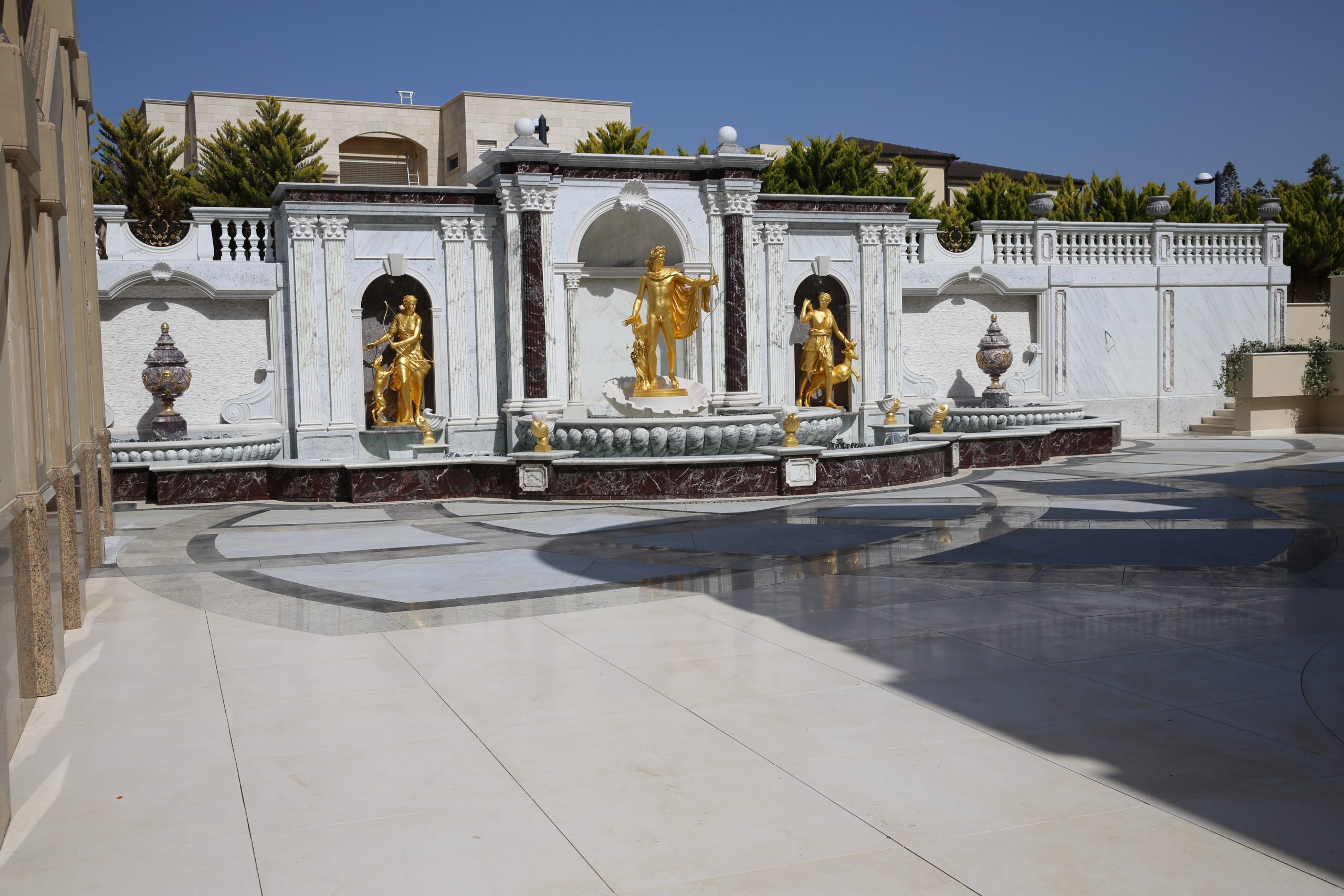
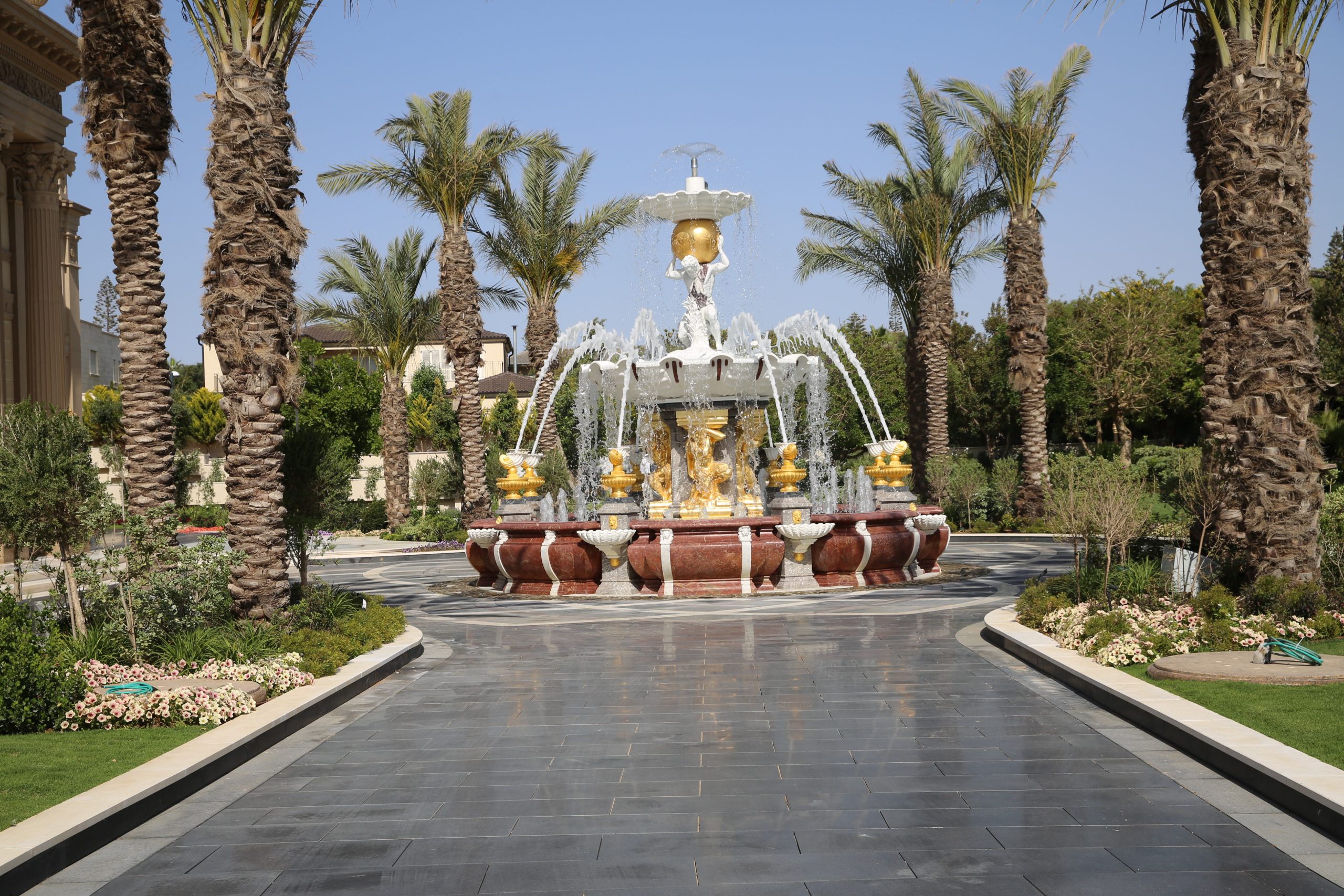
- 25 years of experience building Israel’s most prestigious properties — including the largest private home in the country (6,000 sqm in Hermitage style).
- International supplier network: The company sources subcontractors and suppliers from abroad, achieving full optimization in luxury construction — Italian stone, German systems, and the world’s most advanced solutions.
- Long-term thinking: Every property is built with world-class waterproofing and finishing details, with a focus on maintenance and preservation for decades — a critical advantage when the owner doesn’t live on-site permanently.
- Responsible financial management: The company is a registered Ltd. with a high BDO rating, providing peace of mind for clients transferring significant sums from overseas.
- End-to-end management: The company handles the entire project — planning, permits, construction, and supervision — so the overseas client only needs to make design decisions and approve budgets.
Practical Tips for Building a Home in Israel from Abroad
- Set a realistic budget upfront — including VAT (18%), purchase tax on the land, planning costs (8–12% of construction cost), and a contingency buffer of 10–15% for the unexpected.
- Appoint an Israeli attorney from day one — they will accompany you from land purchase through to property registration in the Tabu (land registry).
- Demand structured weekly reporting — photos, videos, written reports. Don’t settle for a WhatsApp message.
- Plan visits at critical stages — at least 3–4 visits during the project: construction start, shell completion, finishing phase, and handover.
- Never skip soil testing — a geotechnical survey costs approximately NIS 15,000–25,000 and can prevent surprises worth hundreds of thousands of shekels.
Frequently Asked Questions
Can an overseas resident buy land and build a home in Israel?
Yes, non-residents are legally permitted to purchase land and build in Israel. You will need a notarized power of attorney, a local attorney, and an Israeli bank account. Purchase tax for non-residents stands at 8% of the property value.
How long does it take to build a luxury home in Israel?
The complete process — from land purchase to move-in — typically takes 3–5 years. This includes 12–18 months for planning and permits, and 18–36 months for construction itself, depending on the size and complexity of the project.
How much does it cost to build a luxury home in Israel from abroad?
Construction costs alone range from NIS 25,000 to NIS 50,000+ per sqm, depending on the level of finishes. For example, a 500 sqm home at a high standard will cost between NIS 12.5 million and NIS 25 million for construction — excluding land, planning, and taxes.
Can you manage a construction project in Israel without visiting the country?
Technically yes, but it is not advisable to skip visits entirely. Experienced construction companies like Marshanski Build provide comprehensive reporting and manage the project on the client’s behalf, but visits at key milestones (at least 3–4) are essential for informed decision-making.
What are the legal aspects overseas buyers need to know?
Beyond purchase tax and VAT, verify that the land is properly registered, that a valid building permit exists, and that the contractor agreement includes a timeline, guarantees, and penalties for delays. Non-residents must also report the Israeli property in their country of residence.
Your First Step
Building a home in Israel from abroad is a mission that demands professionalism, trust, and proven experience. Marshanski Build, specializing in constructing the highest-level luxury homes in Israel, accompanies overseas property owners throughout the entire process — from initial planning to handing over the keys to your dream home.
Planning to build a home in Israel? Contact the Marshanski Build team for an initial consultation with no obligation. We are happy to guide you at every stage
— even from across the ocean.
Get Expert Guidance
CONNECT WITH OUR TEAM
📞 Phone: +972 (0) 54-788-3333
✉ Email: [email protected]
construction/”>Amit Marshanski and the Marshanski Group team. Marshanski Group is a third-generation luxury construction company specializing in high-end private residences, complex villa projects, premium renovation, and luxury home systems in Israel. The content is based on practical field experience in planning, managing, and building some of Israel’s most complex private homes, including large-scale luxury residences that require advanced engineering, precise coordination, and uncompromising execution standards.