


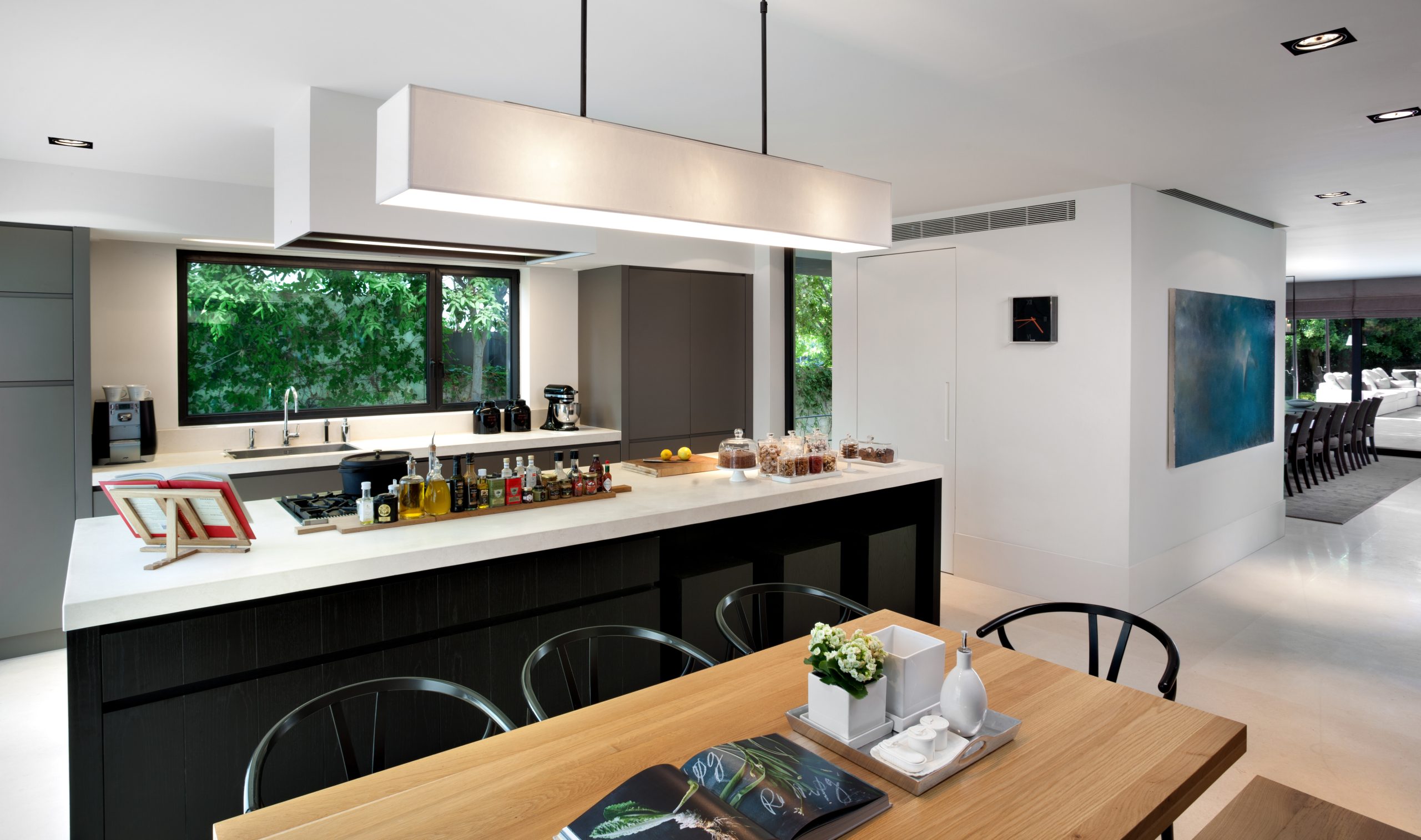
A small lot luxury home design in Israel is entirely achievable — and often produces more striking results than building on a sprawling plot. By leveraging vertical construction, smart zoning strategies, and premium materials, homeowners can build 300–500 sqm of luxury living space on plots as small as 250–400 sqm. Marshanski Build, specializing in high-end residential construction across Israel’s most exclusive communities, has refined these vertical design solutions to maximize every square meter without compromising on elegance.
Why Small Lots Dominate Israel’s Luxury Market
Land scarcity is a defining reality of Israeli real estate. In sought-after areas like Kfar Shmaryahu, Herzliya Pituach, and Savyon, average residential plot sizes range from 250 to 500 sqm — significantly smaller than comparable luxury markets in the U.S. or Europe. According to the Israel Land Authority, residential land prices in central Israel rose by over 65% between 2015 and 2024, making efficient use of every plot non-negotiable for luxury homeowners.
This constraint has actually driven architectural innovation. Israeli luxury homes routinely achieve building ratios of 120–180% (total built area relative to plot size) through multi-level construction, underground spaces, and rooftop utilization. The result: compact-footprint homes that feel expansive from the inside.

5 Vertical Design Solutions That Maximize Small Lots
1. Multi-Level Open Floor Plans
The most effective strategy for small lot luxury home design in Israel is building upward with 2.5 to 3 stories above ground. Each floor is planned with open-concept layouts — combining kitchen, dining, and living areas — to eliminate wasted corridor space. Double-height ceilings in the main living area (typically 5–6 meters) create a sense of volume that makes the home feel far larger than its footprint suggests.
Split-level designs are particularly popular on Israel’s hilly terrain. Instead of flat floor plates, rooms step up or down by half-levels, visually separating spaces without walls while adding usable square meters to the overall plan.
2. Basement and Underground Levels
Going below grade is standard practice in Israeli luxury construction. A well-designed basement can add 80–150 sqm of premium living space to a small-lot home. Common uses include home theaters, wine cellars, gyms, spa areas, and secure rooms (mamad). Israeli building regulations allow and even encourage underground construction, with many municipalities permitting basement areas that don’t count toward the building ratio.
Marshanski Build incorporates natural light wells, sunken courtyards, and glass walls facing excavated gardens to ensure basements feel like genuine living spaces rather than afterthoughts. Waterproofing and climate control systems are critical — Israeli construction standards require multi-layer waterproofing for below-grade spaces.
3. Rooftop Living Spaces
Rooftops in Israel are more than an afterthought — they’re a full additional floor. A properly designed rooftop level can include an infinity pool, outdoor kitchen, lounge area, and even a guest suite. On a 300 sqm plot, this effectively adds 40–80 sqm of premium outdoor living.
Structural engineering for rooftop pools on small lots requires reinforced concrete framing capable of supporting 15–25 tons of water load. This is where experienced builders make the difference — the structural calculations must be integrated from the earliest design phase.

4. Cantilevered and Setback Architecture
Cantilever construction — where upper floors extend beyond the footprint of lower floors — is a powerful technique for small lot luxury homes. Upper levels can project 1.5–3 meters beyond the ground floor, adding usable interior space while creating covered outdoor areas below. This approach also creates dramatic architectural statements that distinguish the home visually.
Setback designs work in reverse: ground floors occupy the maximum footprint while upper floors step back to create terraces. Both strategies require precise structural engineering but deliver significant gains in livable area.
5. Integrated Indoor-Outdoor Flow
When your plot is limited, borrowing visual space from the outdoors is essential. Floor-to-ceiling glass walls, retractable window systems, and seamless floor transitions between indoor and outdoor areas make compact homes feel borderless. In Israeli luxury construction, it’s common to use the same premium flooring material — whether marble, natural stone, or engineered wood — continuously from interior to exterior, erasing the boundary between inside and out.
Courtyard designs are also highly effective on small lots. A central atrium or internal garden brings light deep into the home’s core while creating a private outdoor retreat that doesn’t depend on perimeter yard space.
Navigating Israeli Building Regulations for Vertical Construction
Israeli municipal building codes (Taba) vary significantly between localities, and understanding these regulations is the foundation of any small lot luxury project. Key factors include:
- Building ratio (Zchuyot Bniya): Typically 100–180% in residential areas, determining maximum built area relative to plot size.
- Maximum building height: Usually 9–12 meters for residential zones, equivalent to 2.5–3 stories.
- Setback requirements: Mandatory distances from property lines, often 3–5 meters on each side, which directly reduce the buildable footprint.
- Basement exemptions: Underground areas may be partially or fully exempt from building ratio calculations, depending on the municipality.
- Green building standards (Teken Yarok 5281): Israel’s green building code offers density bonuses in some cases for energy-efficient designs.
Working with a builder who has deep experience with local planning committees is essential. Marshanski Build has completed luxury projects across Kfar Shmaryahu, Savyon, and central Israel, navigating complex permitting processes to maximize what each plot can deliver.
Cost Considerations for Small Lot Luxury Homes
Vertical construction on small lots carries specific cost implications. Per-square-meter construction costs for luxury homes in Israel typically range from ₪12,000 to ₪25,000, with vertical builds trending 10–15% higher than single-story equivalents due to structural reinforcement, elevator shafts, and multi-level MEP (mechanical, electrical, plumbing) systems.
However, the land cost savings are substantial. A 300 sqm plot in Herzliya Pituach costs significantly less than a 700 sqm plot in the same neighborhood — potentially saving millions of shekels that can be redirected into construction quality and finishes. For a detailed breakdown of what to budget, see our guide to the cost of building a luxury home in Israel.

Design Features That Make Small Luxury Homes Feel Grand
Beyond structural strategies, specific design choices amplify the sense of space and luxury in compact homes:
- Floating staircases: Sculptural staircases with glass balustrades serve as centerpieces while maintaining visual openness between floors.
- Built-in storage: Custom millwork integrated into walls, under stairs, and within furniture eliminates clutter without consuming floor space.
- Home elevators: A residential elevator (standard in Israeli luxury homes above 2 floors) adds convenience and future-proofs the design.
- Smart home systems: Centralized automation for lighting, climate, security, and entertainment reduces the need for physical controls and panel space.
- Light wells and skylights: Strategic placement of roof openings and light shafts brings natural light to interior rooms and stairwells.
Understanding what makes construction truly luxurious is critical — it’s the quality of execution, material selection, and attention to detail that transforms a compact home into a luxury residence.
Frequently Asked Questions
How many square meters can you build on a small lot in Israel?
On a 300 sqm plot with a 160% building ratio plus basement exemptions, you can realistically build 480–550 sqm of total living space. This includes above-ground floors, basement levels, and permitted rooftop structures.
Is it more expensive to build vertically on a small lot?
Vertical construction typically costs 10–15% more per square meter than single-story builds due to structural reinforcement, elevator installation, and multi-level systems. However, the savings on land acquisition often more than offset this premium.
What is the maximum building height allowed for residential homes in Israel?
Most Israeli residential zones permit 9–12 meters of building height, allowing 2.5 to 3 full stories above ground. Some municipalities grant additional height for architectural features like pitched roofs or rooftop pergolas.
Can basements count toward the total building area in Israel?
In many Israeli municipalities, basement areas are partially or fully exempt from building ratio calculations. This makes underground construction one of the most effective strategies for adding luxury living space on small plots.
How long does it take to build a luxury home on a small lot in Israel?
A typical small-lot luxury home with 2–3 stories and a basement takes 18–24 months from permit approval to completion. The permitting process itself can add 6–12 months depending on the municipality.
Build Your Luxury Home — No Matter the Plot Size
A limited plot doesn’t mean limited ambition. With the right vertical design approach, experienced engineering, and premium execution, a small lot in Israel can become the foundation for a truly extraordinary home. Marshanski Build brings decades of experience in luxury residential construction across Israel’s most prestigious neighborhoods, turning compact plots into architectural landmarks.
Ready to explore what’s possible on your plot? Contact Marshanski Build today for a confidential consultation and discover how vertical design solutions can deliver the luxury home you envision — regardless of lot size.